Seoul city bus drivers launch indefinite strike amid brutal cold wave
The Seoul City Bus Workers Union began an all-day strike at first runs, halting thousands of buses and hundreds of routes and forcing emergency transport measures during a severe cold snap.
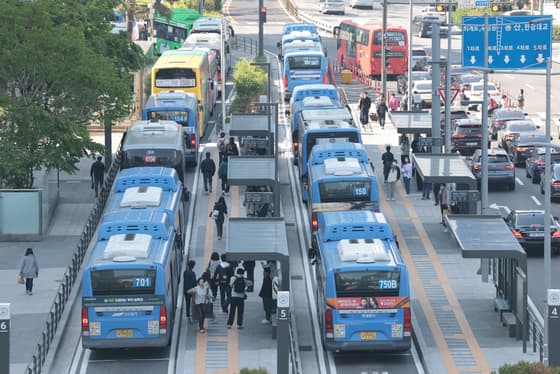
Seoul’s city buses ground to a halt at the start of service after the Seoul City Bus Workers Union launched an all-day, indefinite strike at 4:00 a.m., following the collapse of last‑minute wage talks. The walkout involves drivers from all 64 unionized city bus companies and has suspended service on roughly 394 routes, with some counts putting the number of vehicles out of service at about 7,382, imperiling commutes during one of the coldest weeks of the winter.
Negotiations, held under the Seoul Regional Labor Relations Commission in Yeongdeungpo, began Monday afternoon at 3:00 p.m. and stretched more than ten hours into the night. Mediation concluded in the early morning hours, around 1:00–1:30 a.m., without agreement. The mediation committee reportedly offered a 0.5 percent wage increase, which union leaders rejected as tantamount to a freeze.
The dispute centers on competing views of how to treat bonuses and base pay. Employers presented a proposal to recognize portions of bonuses as “ordinary wages” and to increase total pay under a new wage system; one management proposal was described as an increase of over 10 percent, with a specific figure of 10.3 percent cited in reports. The union refused changes to the current wage structure and pressed for a 3 percent raise, an extension of the statutory retirement age to 65, and the elimination of wage discrimination. Union leaders argued that any retroactive redefinition of ordinary wages should be excluded from the present negotiations.
Employers countered that agreeing to a 3 percent hike now while permitting a later redefinition of ordinary wages would effectively raise pay by roughly 20 percent, a figure they said made the union’s demand excessive. With no formal bargaining schedule agreed, sources said informal contacts might continue but no concrete next session has been set.
Seoul’s municipal government moved immediately to blunt the impact. City authorities extended subway service by one hour during peak periods and operated late-night trains until 2:00 a.m., adding extra runs—one figure cited 172 additional trips per day—and launched free shuttle buses across 25 districts to link key locations with subway stations. Officials said shuttle-bus timetables and pickup points would be posted on the Seoul City Hall website. Yeo Jang-kwon, head of Seoul’s transportation bureau, said the city would "mobilize all available transportation resources to minimize inconvenience to citizens" and urged a swift return to the negotiating table.
Mayor Oh Se-hoon said the city would run a prepared response system, expressed grave responsibility for the disruption, and vowed to do his best to prevent citizens from being stranded. Authorities advised commuters to use extended subway services where possible and to consult official channels for shuttle schedules.
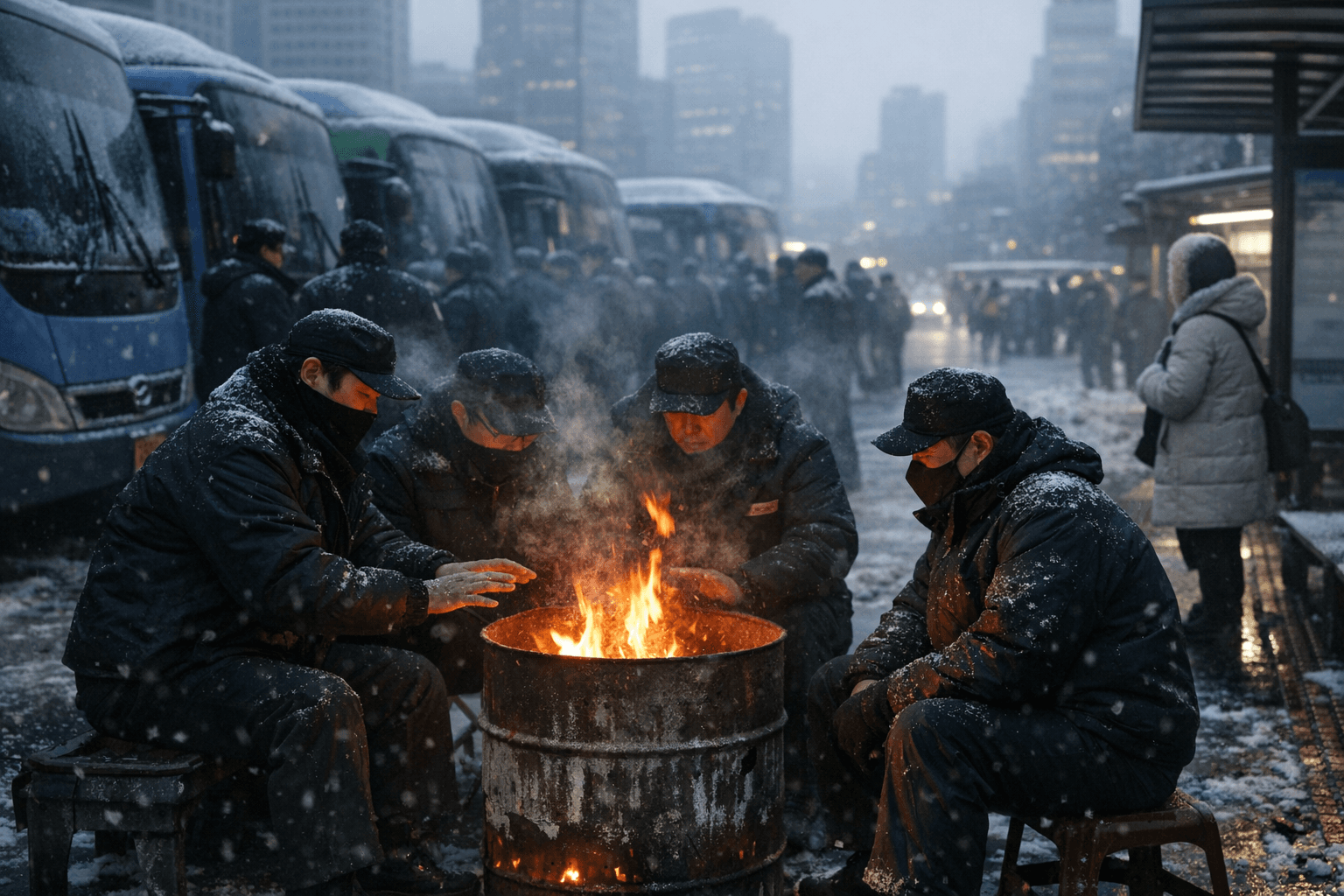
The strike’s timing—during an intense cold wave—heightens risks for commuters, elderly residents and outdoor workers who depend on reliable daytime transit. It also marks a rare, citywide escalation by the bus union since 2024. How long the walkout will last remains uncertain; the endgame will depend on whether employers and the union can bridge their divide on wage structure and pension-age demands.
Sources:
Know something we missed? Have a correction or additional information?
Submit a Tip