Seven Baltimore Parents Reunited with Children After Recovery Program Completion
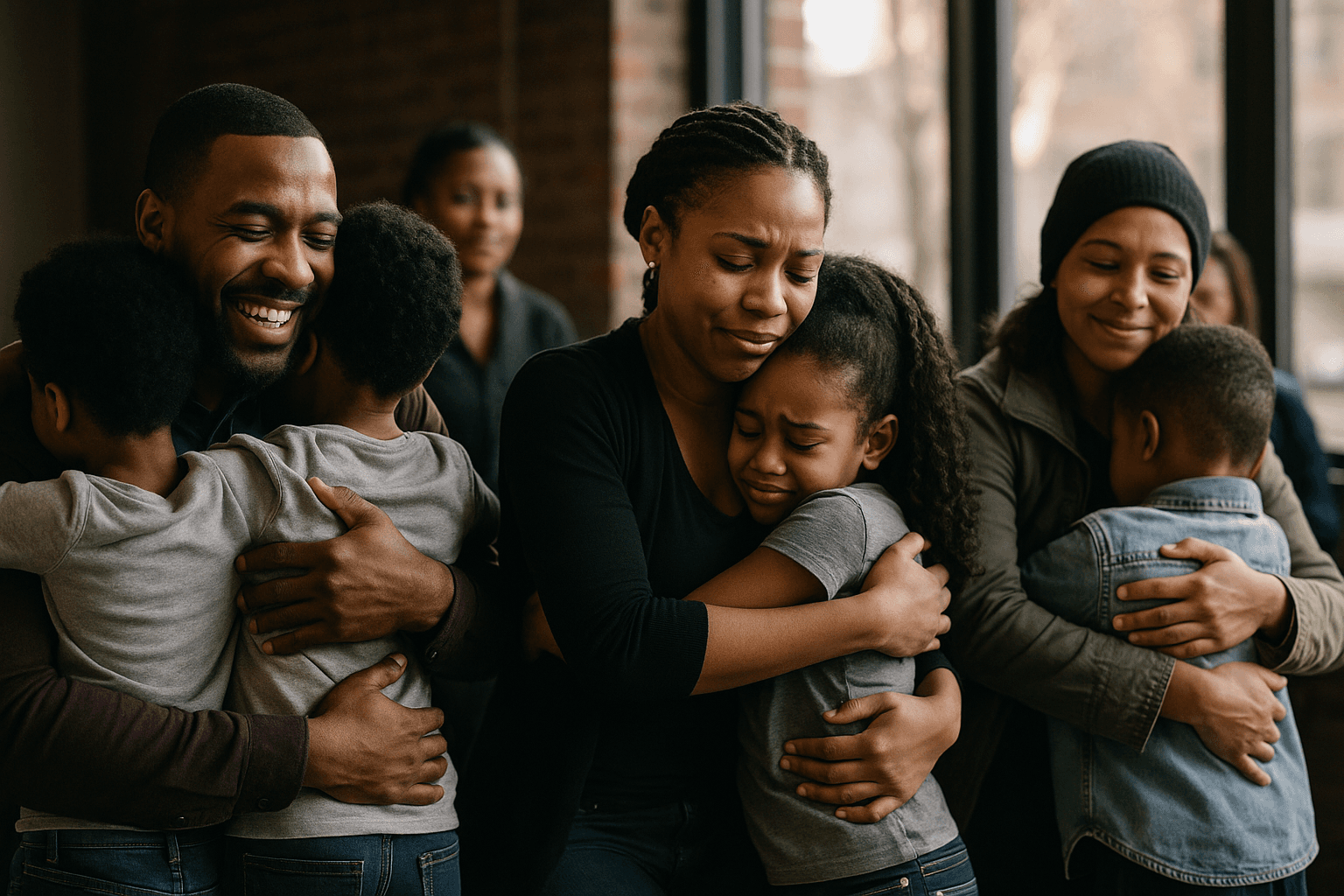
Seven Baltimore parents graduated from the Family Recovery Program on December 5, 2025, and were formally reunited with their children in a ceremony marking progress toward family reunification. The program, which has served more than 1,800 families since 2005 and reports about a 92 percent success rate for participants who complete services, aims to stabilize housing, sustain treatment, and support parenting to reduce returns to the child welfare system.
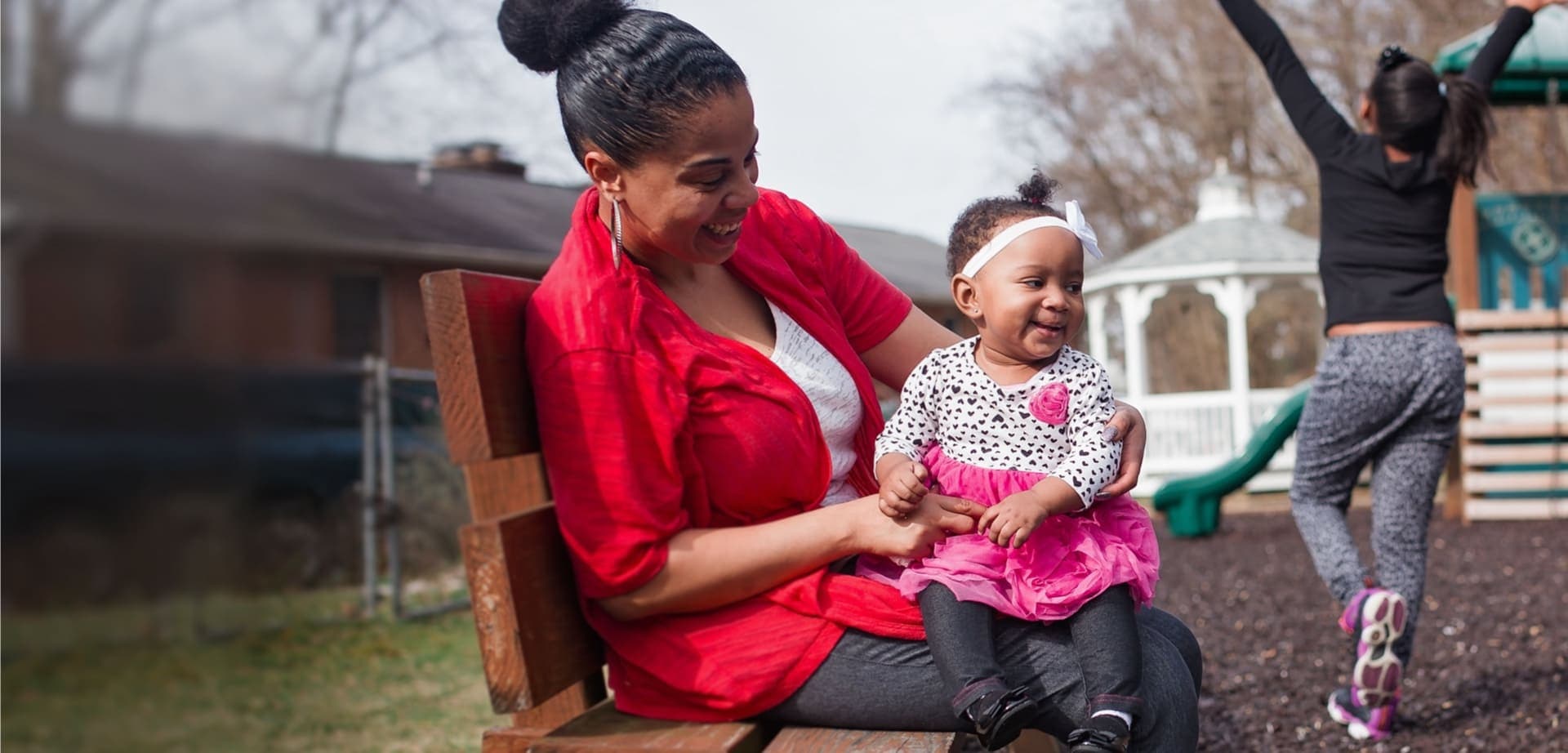
Seven Baltimore parents completed the Family Recovery Program on December 5, 2025 and were reunited with their children in a public ceremony that organizers said celebrated progress toward reunification and long term stability. The event highlighted the program's track record, noting that it has served more than 1,800 families since 2005 and that roughly 92 percent of participants who complete the program achieve the intended outcomes reported by providers.
The Family Recovery Program is designed for parents who lost custody for reasons that include substance use disorder and related challenges. Graduates will receive ongoing supports intended to maintain housing, continue treatment, and reinforce parenting skills, a combination officials and advocates described as essential to preventing repeat child welfare involvement and stabilizing households.
For Baltimore City residents the results matter on multiple levels. Successful reunification reduces demand on foster care placements and emergency services, and can lower public expenditures tied to prolonged family separation. Stable family units are also more likely to sustain employment and housing, which supports neighborhood stability in areas with concentrated need. The program's long record since 2005 provides a data foundation for assessing cost effectiveness and broader social returns when measured against foster care and emergency housing costs.
Policy implications are immediate. A sustained funding commitment and interagency coordination between child welfare, behavioral health, and housing services will be necessary to preserve the program's outcomes as caseloads evolve. The program's reported completion success rate of about 92 percent for those who finish services is a strong signal to local policymakers that wraparound supports can produce measurable results, but ongoing evaluation should track long term reunification durability and service retention.
Organizers and advocates framed the ceremony as a milestone for the families and a reminder of the broader community benefits of recovery focused interventions. As the seven families begin their next chapter with continued supports in place, city officials and service providers face the task of scaling what works while ensuring outcomes are independently tracked and resources remain available for future participants.