Shakespeare ghost town draws visitors, anchors Hidalgo County heritage tourism
Shakespeare ghost town near Lordsburg offers guided tours and preserved structures; it matters for local heritage tourism and education.

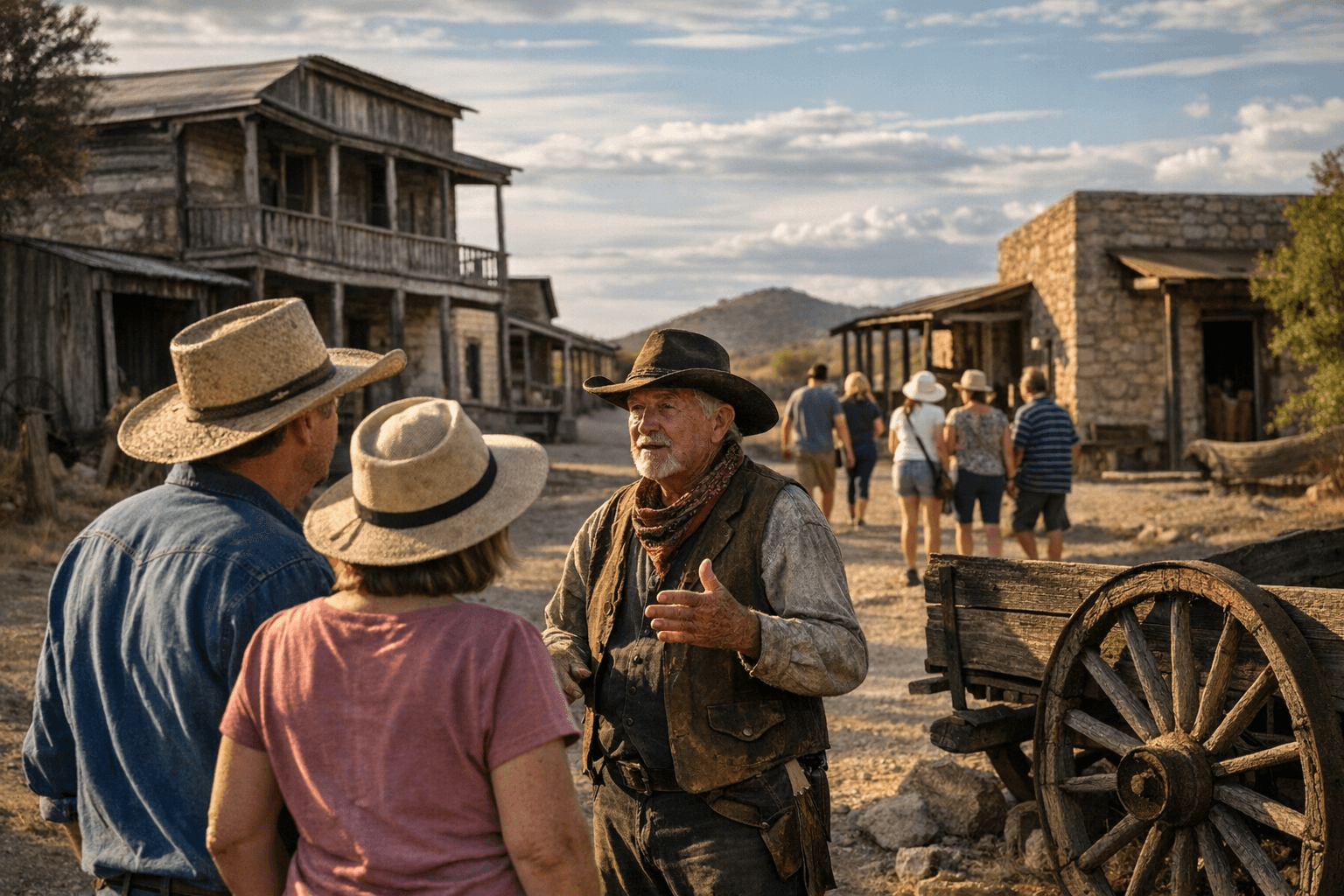
Shakespeare, a preserved southwest New Mexico ghost town in Hidalgo County, continues to draw history buffs and day trippers from Lordsburg and the borderlands. Once a bustling mining and stage-stop community with hotels, saloons and a post office, the site now preserves key structures such as the Grant House and a former stage station, plus a nearby cemetery. Those surviving buildings and foundations form the core of guided programming and self-guided visits that interpret mining-era life and notable local characters.
The site typically offers three daily guided tours at 10 a.m., noon and 3 p.m.; visitors are asked to call ahead to confirm schedules and accessibility. Walking access to foundations and remaining structures is available, and interpretive material explains the boom-and-bust cycle that defined Shakespeare and similar mining communities across the region. As a compact, accessible example of turn-of-the-century mining towns, Shakespeare serves both heritage tourists and local educators seeking tangible lessons in regional economic history.
For Hidalgo County, Shakespeare is more than a curiosity. Heritage tourism centered on preserved sites like this one can extend visitor stays in nearby Lordsburg, support small operators who run tours and add modest spending at gas stations, restaurants and lodging. The site’s limited facilities, however, constrain growth: visitors should plan ahead, bring water and sun protection for high-desert conditions, and expect minimal restroom services on site. Tour operators and the Shakespeare Ghost Town group oversee programming and local access; contacting them before traveling is recommended.
Preservation and modest infrastructure investments could increase both safety and economic return. Basic measures such as improved signage from state Route junctions, shaded rest areas, potable water access and ADA-conscious pathways would make the site more welcoming to families and older visitors without altering its historic fabric. From a policy perspective, small grants or public-private partnerships targeted at visitor amenities and interpretive staffing would likely have outsized benefits for Hidalgo County’s tourism mix by turning a short visit into a longer spending circuit through Lordsburg and surrounding communities.
Shakespeare’s value is cultural and educational as well as economic: the town’s buildings and cemetery anchor classroom visits and public programs that explain mining-era labor, transportation and regional settlement patterns. For local leaders, preserving access while managing visitor amenities offers a scalable way to leverage a heritage asset without compromising the site’s authenticity.
The takeaway? Call ahead, pack water and sun protection, and treat Shakespeare as a short, rewarding stop on a Lordsburg-area outing. Supporting the small operators who care for the town helps keep Hidalgo County’s history standing and usable for the next generation.
Sources:
Know something we missed? Have a correction or additional information?
Submit a Tip