Shortage of case managers stalls McDowell County flood recovery
A shortage of long-term disaster case managers is leaving hundreds of flood recovery needs unmet in McDowell County. Lawmakers were urged to fund sustained recovery work.
West Virginia’s recovery from the February 2025 floods is being slowed by a shortage of long-term disaster case managers, officials told the legislature’s Committee on Flooding, with McDowell County among the communities left grappling with unmet needs. Catholic Charities of West Virginia Disaster Services Specialist Lora Pierce said response and short-term relief have been robust, but long-term work that secures safe housing and navigates FEMA appeals remains under-resourced.
Pierce testified on January 13 that hundreds of households still face unresolved recovery tasks. She emphasized that case managers are essential for helping families obtain stable housing, file and pursue FEMA appeals, and coordinate rebuilding plans that comply with safety standards. Without enough trained personnel, those tasks are piling up across the southern coalfields, including McDowell, Mercer, Logan and Boone counties.
The southern coalfields are lagging other regions in recovery largely because volunteer capacity is limited. Catholic Charities has a grant to train additional case managers and has held training sessions in Wheeling and Charleston; a session is scheduled next month in McDowell County. Even so, Pierce warned the pool of trained workers will fall far short of needs, calling the increase “a drop in the bucket” compared with what affected families require.
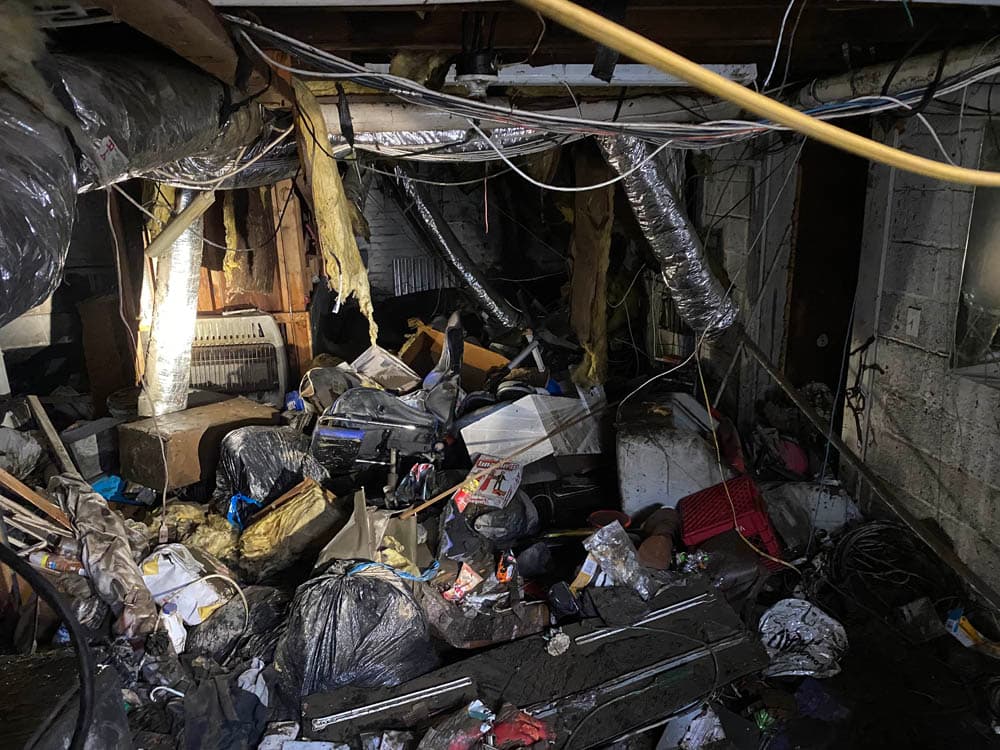
Visible reminders of the floods remain in Welch and other McDowell communities. Homes that survived immediate rescue and relief are still awaiting repairs or replacement, and residents continue to face housing instability and bureaucratic hurdles with federal programs. That gap between immediate relief and long-term recovery raises the prospect of prolonged displacement for some families and puts pressure on local shelters, rental markets and county services.

Pierce urged lawmakers to direct funds into the state’s Disaster Recovery Trust Fund to support sustained recovery work, arguing that short-term aid cannot substitute for the ongoing case management that helps households rebuild safely and appeals denied claims. Investing in case management would expand capacity to complete home assessments, coordinate contractors, and represent households through FEMA processes.
For McDowell County residents, the coming weeks will show whether additional trainings and state funding translate into more hands on the ground. A scheduled training in the county next month offers a near-term step, but county leaders and affected families should prepare for a protracted recovery timeline if funding and personnel do not scale up. Lawmakers’ decisions on the Disaster Recovery Trust Fund will be central to whether those next steps arrive soon enough to prevent long-term displacement and housing instability.
Sources:
Know something we missed? Have a correction or additional information?
Submit a Tip