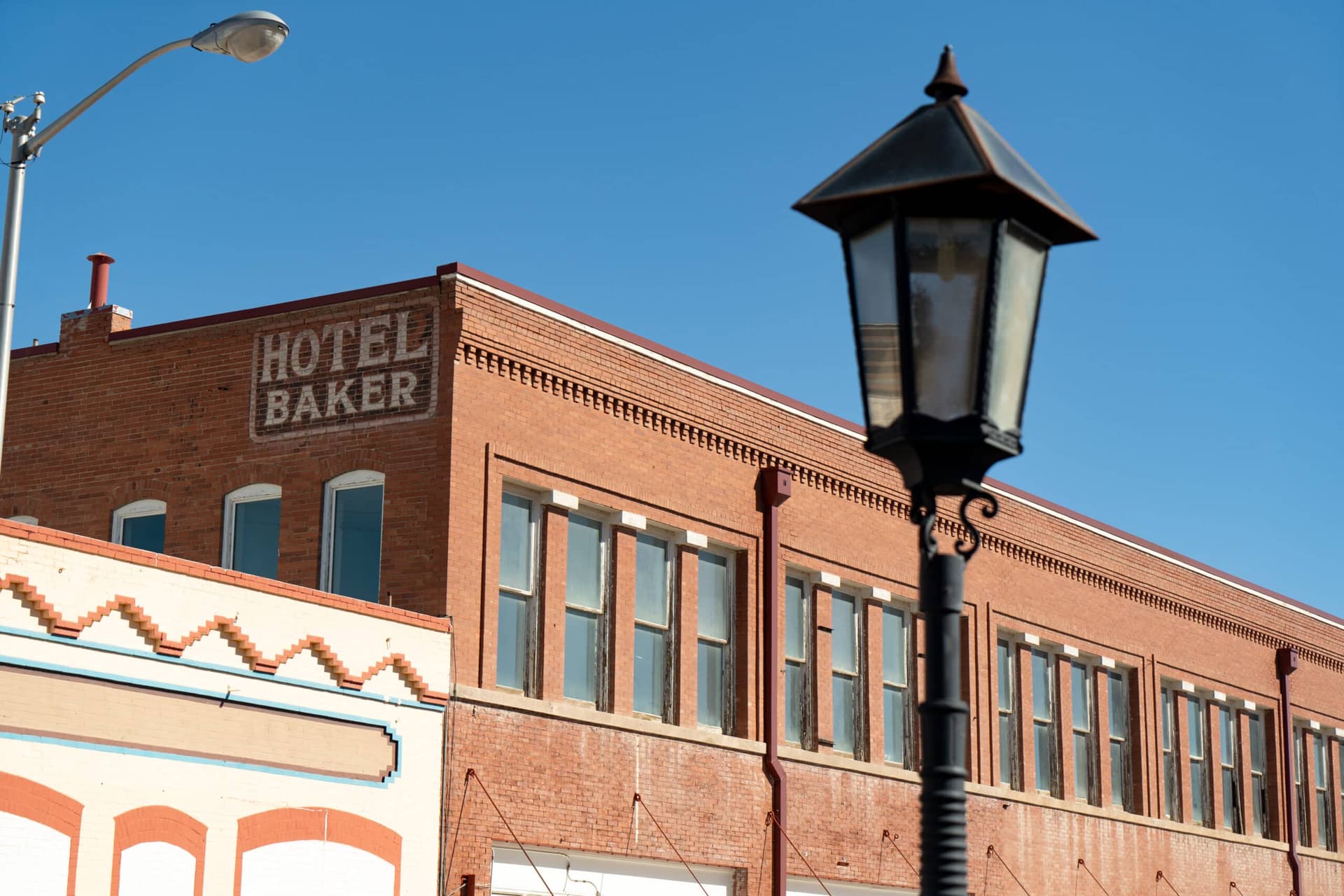
Slow Snow Season Strains Baker County Winter Recreation Economy
On December 4 local recreation clubs reported a slow snow season, leaving snowmobilers waiting for storms and guiding businesses facing postponed bookings. The lack of snow is already affecting trail access, scheduled winter events, and the social routines tied to the Bone Springs warming shelter, with broader implications for county tourism revenue and public planning.
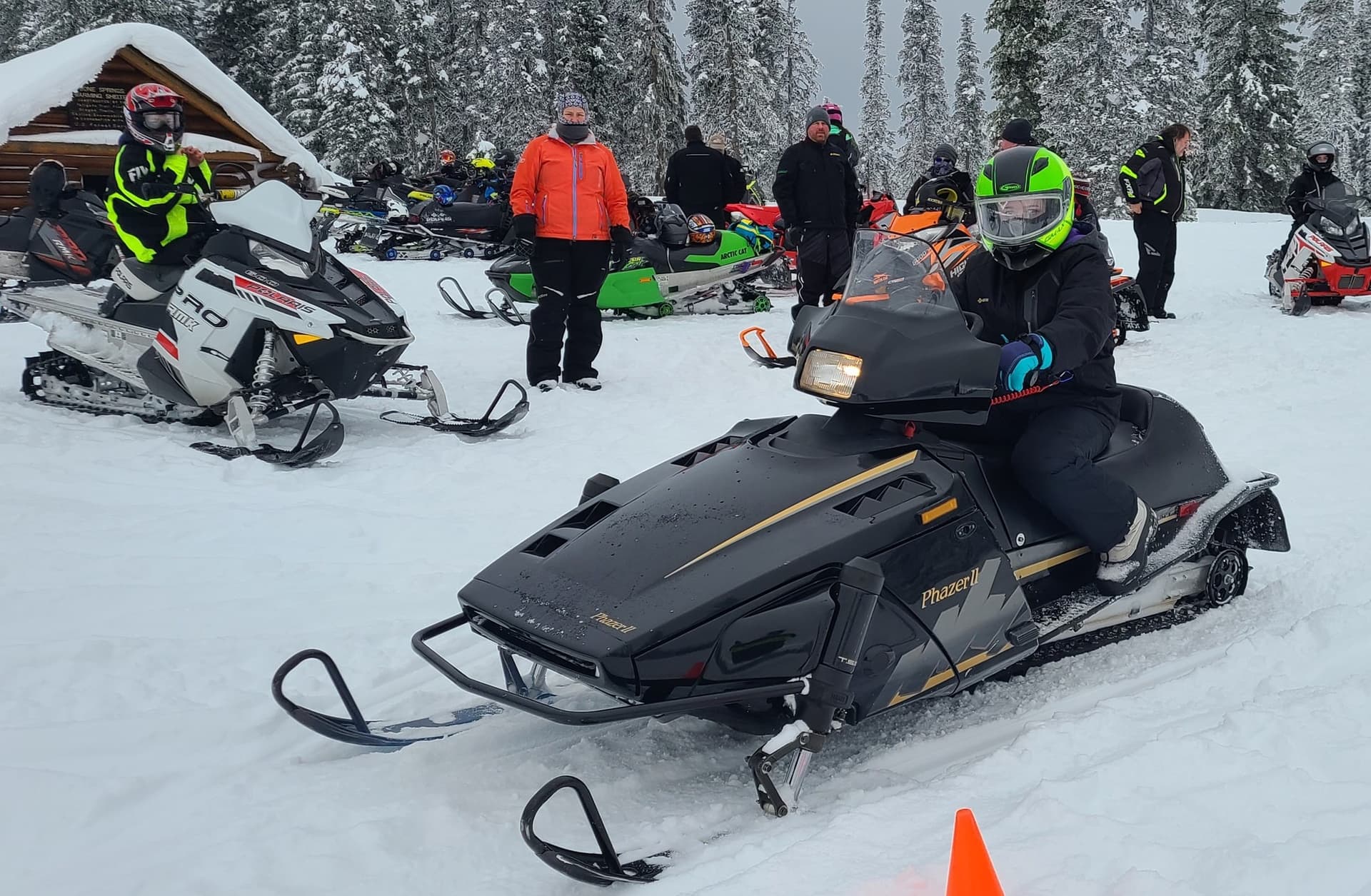
Local clubs and land managers reported on December 4 that Baker County's snow season was off to a slow start, creating immediate challenges for winter recreation and the businesses that rely on it. Snowmobilers and other winter users remain on hold while trailheads continue to show insufficient coverage, and the Bone Springs warming shelter has not yet seen the traffic that typically signals the start of sustained winter activity.
The shortfall in snowfall has economic consequences for guides, outfitters, and small businesses that depend on early season bookings. Operators have postponed or canceled trips and workshops, and organizers of community winter events are adjusting schedules to align with an uncertain window for reliable snow. Local volunteer clubs said they are focused on monitoring conditions closely and preparing for what they expect will be a compressed season when storms arrive.
Clubs and public land managers are coordinating to track snowpack, groom or restrict trails as conditions permit, and ready equipment and staffing to respond quickly to changing conditions. That preparation aims to maximize a shorter period of winter use while protecting trail resources and managing safety for users. The compressed season raises concerns about concentrated impacts on fragile trail systems and volunteer capacity when work intensifies over a shorter time frame.
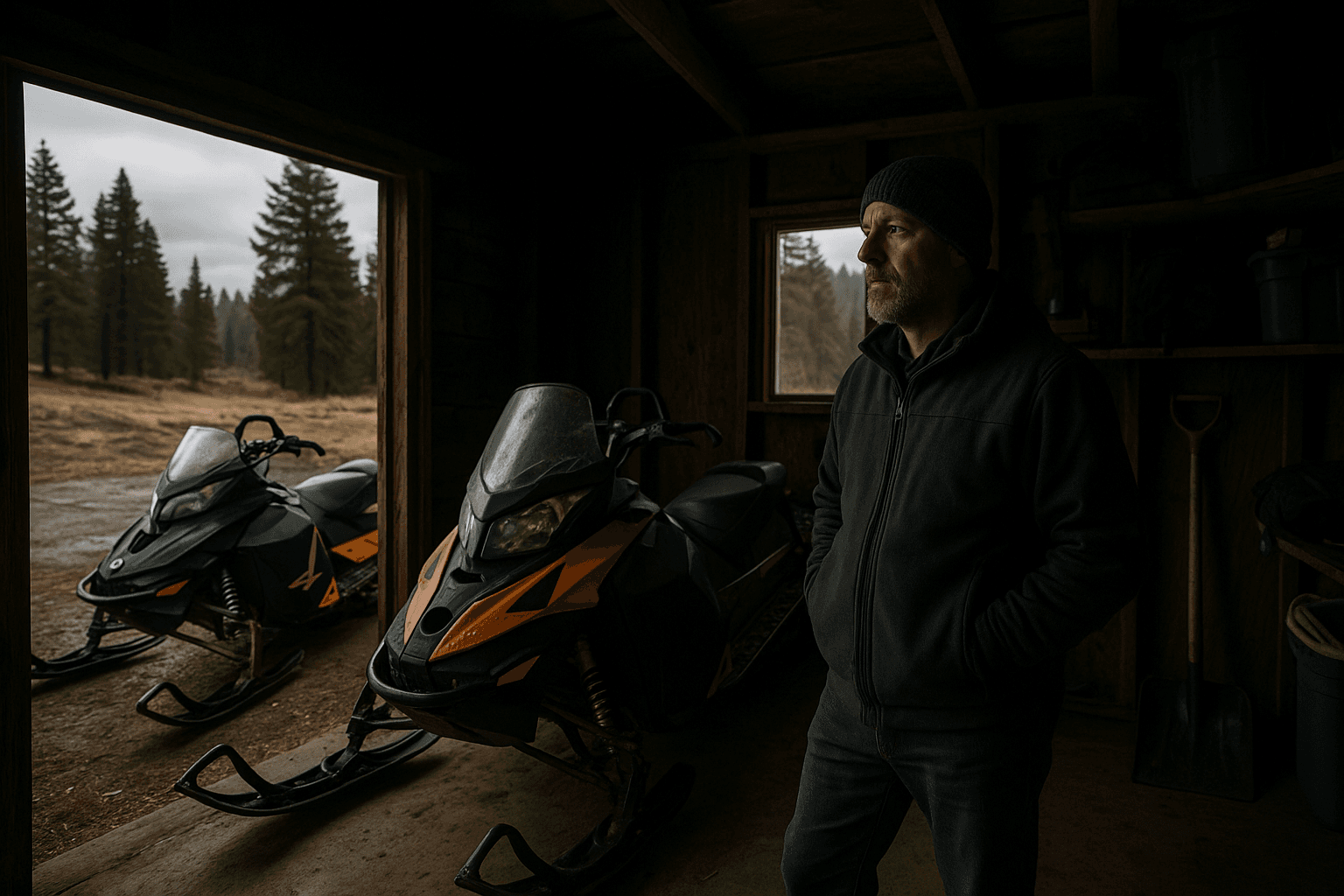
The social role of winter amenities is also at stake. The Bone Springs warming shelter functions as a community hub during cold months, providing a meeting place for clubs and a warming point for users. Reduced visits affect social cohesion among outdoor groups and the informal support networks that manage trail maintenance and emergency response.
Policy implications extend to county economic planning and natural resource management. A trend of later or lighter winters would increase pressure on tourism dependent towns, and prompt consideration of targeted support for small guiding businesses, investments in multiuse trail infrastructure, and enhanced data sharing between clubs and land managers. For residents the immediate concern is clear. A slow start to snow season means delayed recreation, uncertain income for local operators, and a compressed period for community gatherings tied to winter sports.