Small Grant Targets Better Outreach for Trinidad Immigrant and Underserved Residents
The Boettcher Foundation awarded Las Animas County a $7,500 Rural Catalyst Grant to fund a community survey and outreach work in Trinidad. The award is part of a $110,000 second cycle statewide effort to build nonprofit capacity in rural Colorado, and it aims to improve communication with immigrant and underserved populations.
On December 1, 2025, the Boettcher Foundation included Las Animas County in the second cycle of its 2025 Rural Catalyst Grants, directing $7,500 to a community survey project in Trinidad. The statewide cycle totaled $110,000 in capacity building awards to rural organizations across Colorado. For Trinidad the grant will fund bilingual canvassing, data analysis, and a public engagement event designed to identify which communication channels are most effective for immigrant and underserved residents.
The grant is modest in dollar terms but focused on a high leverage activity. Community surveys and targeted canvassing produce granular data that local governments and nonprofits can use to improve service delivery, increase participation in county meetings and programs, and strengthen applications for larger federal or philanthropic grants. By allocating resources to data collection and a public engagement event, the award is aimed at reducing information gaps that often limit take up of health, education and social services in rural places.
Capacity building is the explicit goal of Boettcher Foundation's Rural Catalyst program, which supports community led projects across rural Colorado. For Las Animas County the immediate outputs will be multilingual outreach contact lists, coded responses from residents, and a public forum in Trinidad to validate findings and set next steps. Those outputs can inform short term outreach strategies and provide evidence for longer term investments in local nonprofit staffing and communications infrastructure.
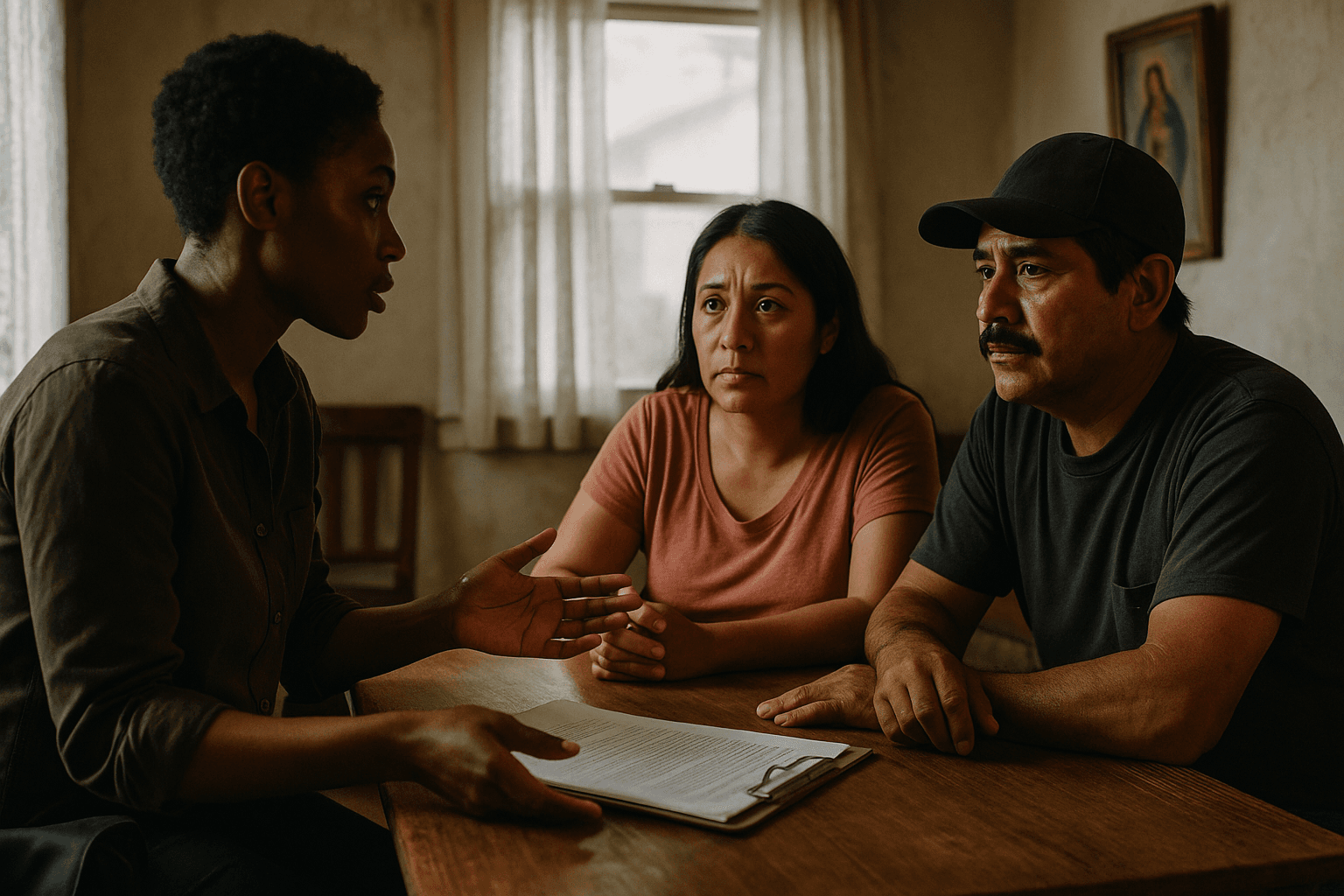
For residents the practical impact may be greater awareness of available services and clearer pathways to provide input to county decision makers. For local agencies and funders the survey will yield measurable indicators that can be tracked over time, such as response rates by language group and preferred communication channels. In the broader policy context, the award reflects a continuing trend in rural philanthropy toward small scale, data driven grants that aim to increase civic participation and improve the efficiency of service delivery in under resourced communities.
Local organizations planning to participate should monitor announcements from county offices and community partners about the canvassing and the public engagement event in Trinidad, which will translate survey findings into concrete outreach plans.