Small Welch Housing Project Aims to Keep Teachers Local
Renaissance Village, a four-story, 20-unit housing development in downtown Welch opened in 2022 to encourage teachers and other workers to live in McDowell County by offering low-maintenance apartments with utilities and appliances included. The project provides close-in housing that could help retention, but early occupancy patterns and persistent local economic barriers show housing alone is not enough to reverse workforce and downtown decline.

Renaissance Village was built in downtown Welch as a targeted workforce-housing experiment designed to make living near schools and services easier for teachers and other essential workers. The four-story building contains 20 units and was outfitted to reduce day-to-day burdens for residents: utilities are included and apartments come with appliances, all intended to lower the time and cost of moving and maintaining a household.
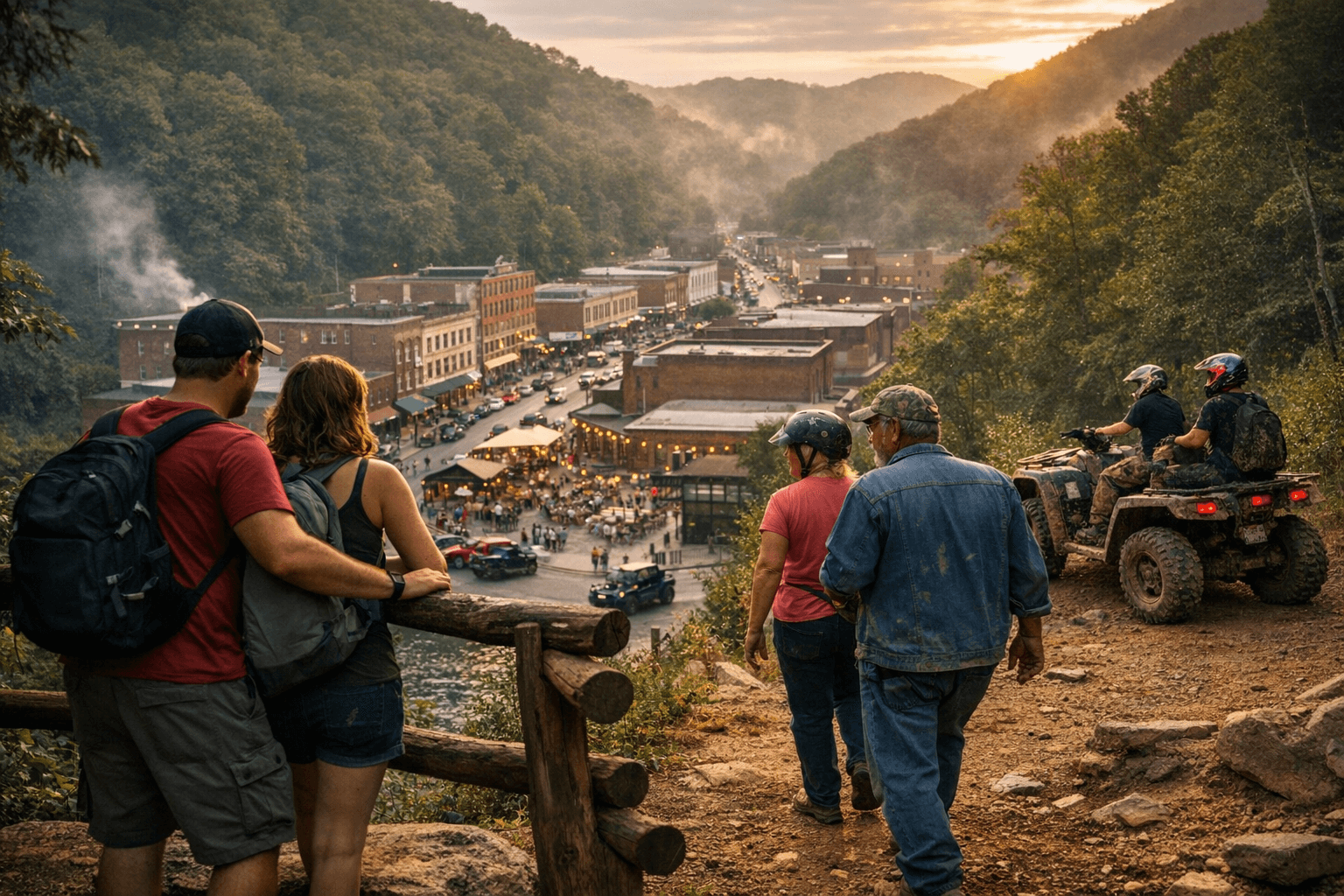
Program partners included Reconnecting McDowell and the American Federation of Teachers, reflecting a collaborative approach that links community development groups and labor organizations to housing policy. Local leaders have framed the development as a first step in downtown revitalization, hoping that resident foot traffic will draw ground-floor businesses and help create a more service-rich neighborhood.
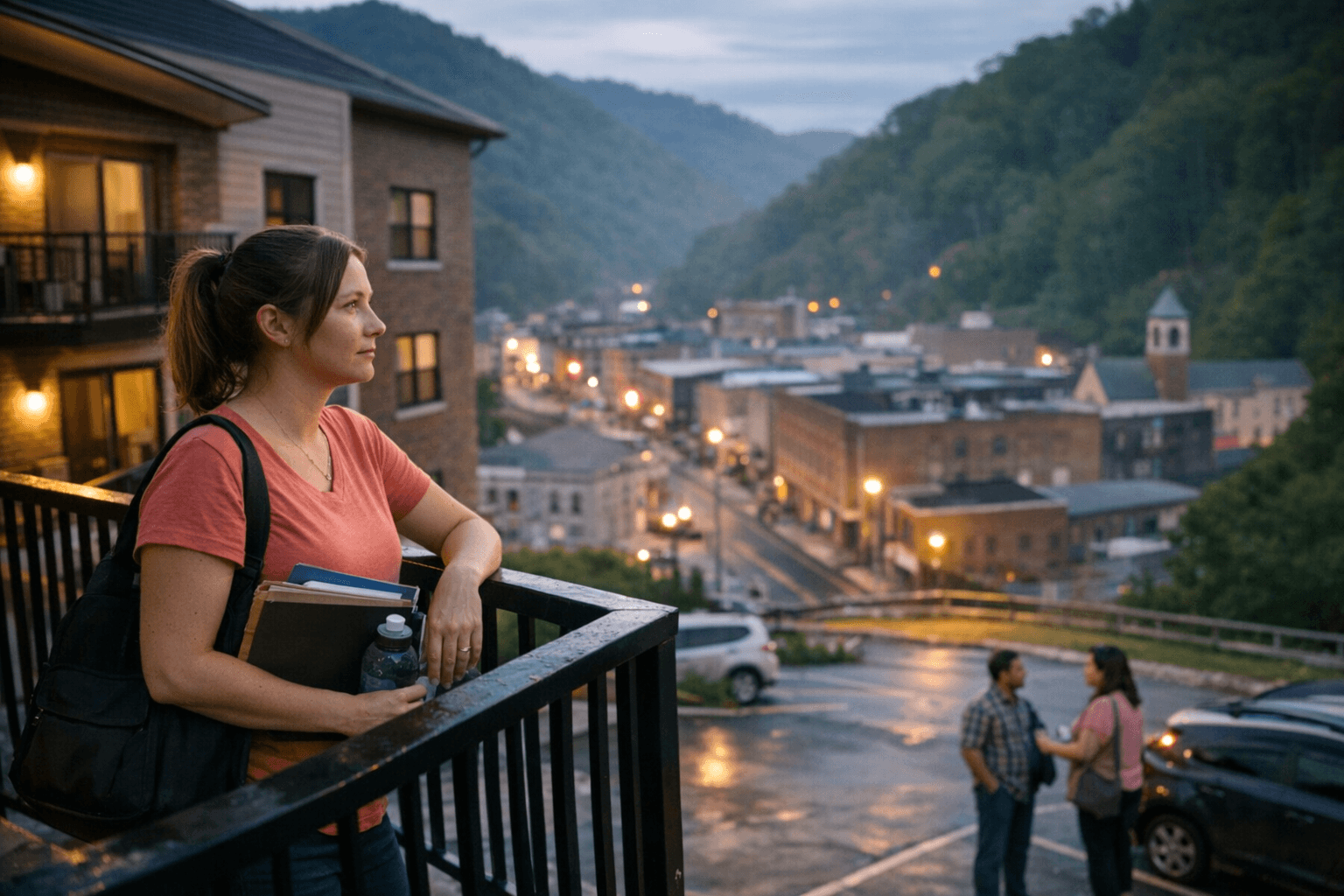
Early occupancy mixed with a range of resident profiles—examples include a retired nurse, an ambulance driver, and a coal miner—demonstrating the appeal of convenient, low-maintenance housing for a cross-section of workers and retirees. At the same time, project organizers candidly acknowledged that teachers have been limited among tenants to date, underlining the gap between intent and outcome.
From a market and policy perspective, Renaissance Village illustrates both the potential and limits of small-scale housing interventions in rural communities. With only 20 units, the supply increase is unlikely on its own to shift labor-market fundamentals such as teacher shortages or broader population trends. Housing that reduces commuting time and upkeep can help retention, but evidence from the project points to the importance of complementary investments: nearby amenities, commercial activity, reliable services, and broader economic opportunities that make living downtown attractive beyond the convenience of a unit.
For McDowell County residents and policymakers, the project offers practical lessons. A focused housing investment can lower barriers for some workers, but to scale impact it should be paired with incentives for ground-floor businesses, public investments in amenities and infrastructure, and strategies that address wages and job growth in education and health care. Without those complementary measures, the structural obstacles that discourage residents from settling in Welch—limited retail and services and constrained local employment options—are likely to persist.
Renaissance Village represents a targeted, locally tailored response to workforce attraction and retention. Its mixed results underscore that housing is a necessary but not sufficient component of rural revitalization; the next phase for Welch will be aligning housing with sustained economic development to convert individual units into broader community renewal.
Sources:
Know something we missed? Have a correction or additional information?
Submit a Tip