Spike in bodies found in Houston bayous raises safety concerns
Data shows record-high recoveries from Houston bayous in 2024–2025, often ruled drownings or undetermined causes; this affects public safety and homeless residents.
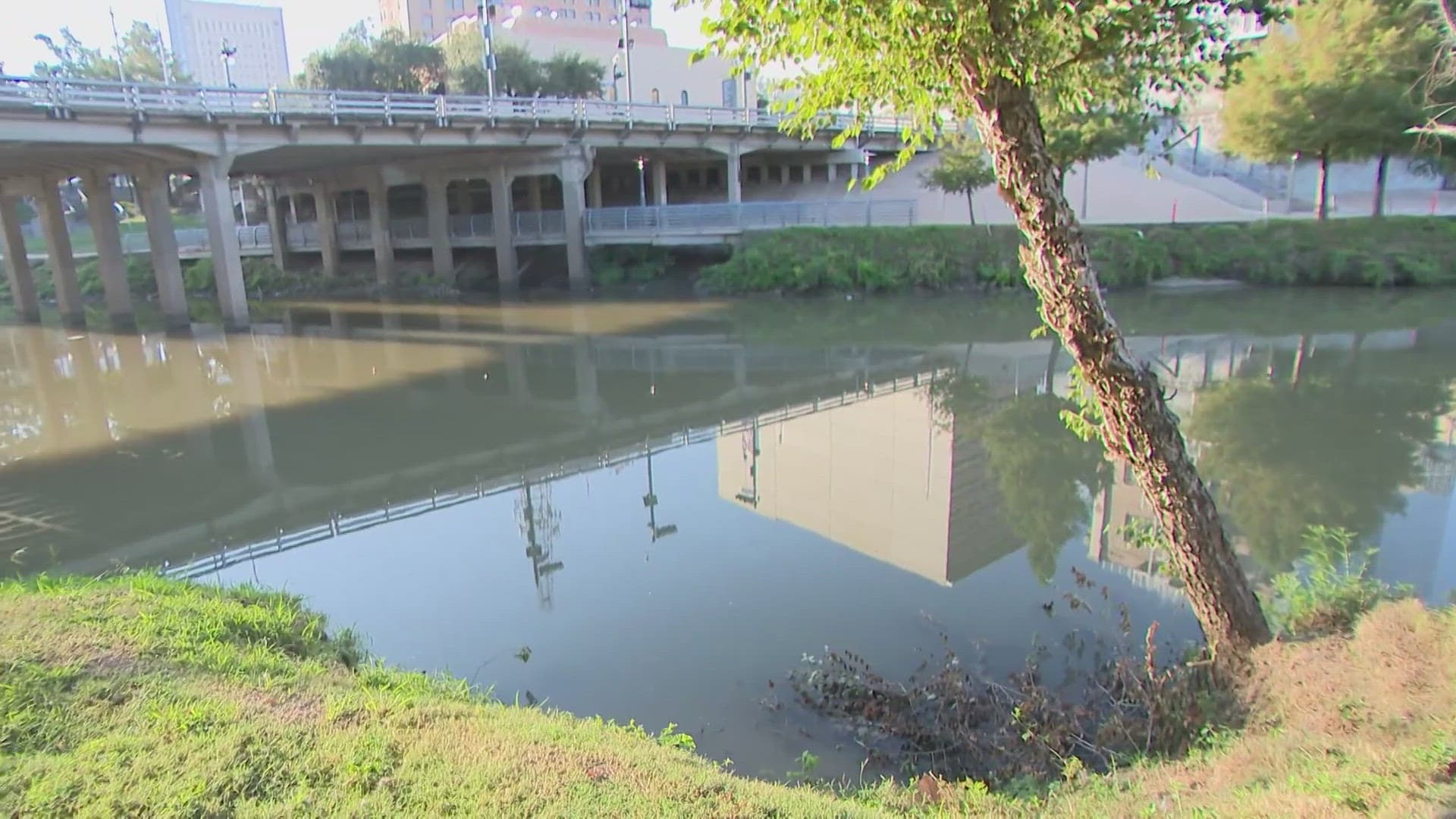
An analysis of medical-examiner and police records from 2017 through 2025 found a sharp increase in human remains recovered from Houston-area bayous in 2024 and 2025, with confirmed drownings accounting for many deaths and a substantial share left undetermined because of limited evidence. The pattern has unsettled neighborhoods along bayou corridors and intensified scrutiny of how authorities investigate water-related deaths.
The records show a steady baseline in earlier years and a clear uptick in the most recent two years. For a large number of cases, examiners were able to rule drowning as the leading confirmed cause of death. In many other cases, investigators could not determine a cause because bodies recovered from the water often lack enough information for definitive findings, and decomposition or environmental exposure complicates forensic work.
Public speculation about foul play and a possible serial killer circulated widely after several recoveries clustered in certain parts of the city. Investigators and medical examiners reviewed the cases and rejected evidence of a linked killer, saying patterns do not support a serial homicide theory and that drowning and undetermined causes remain the dominant findings in official records.
Experts and community leaders are pointing to broader, systemic factors that likely contributed to the rise. Increased homelessness along bayou banks, growing substance use, gaps in mental-health care and easier access to open water were all cited as contributing conditions. Advocates note that people experiencing homelessness often shelter near waterways where outreach is inconsistent and where exposure to cold, intoxication or untreated medical conditions can raise the risk of accidental death.
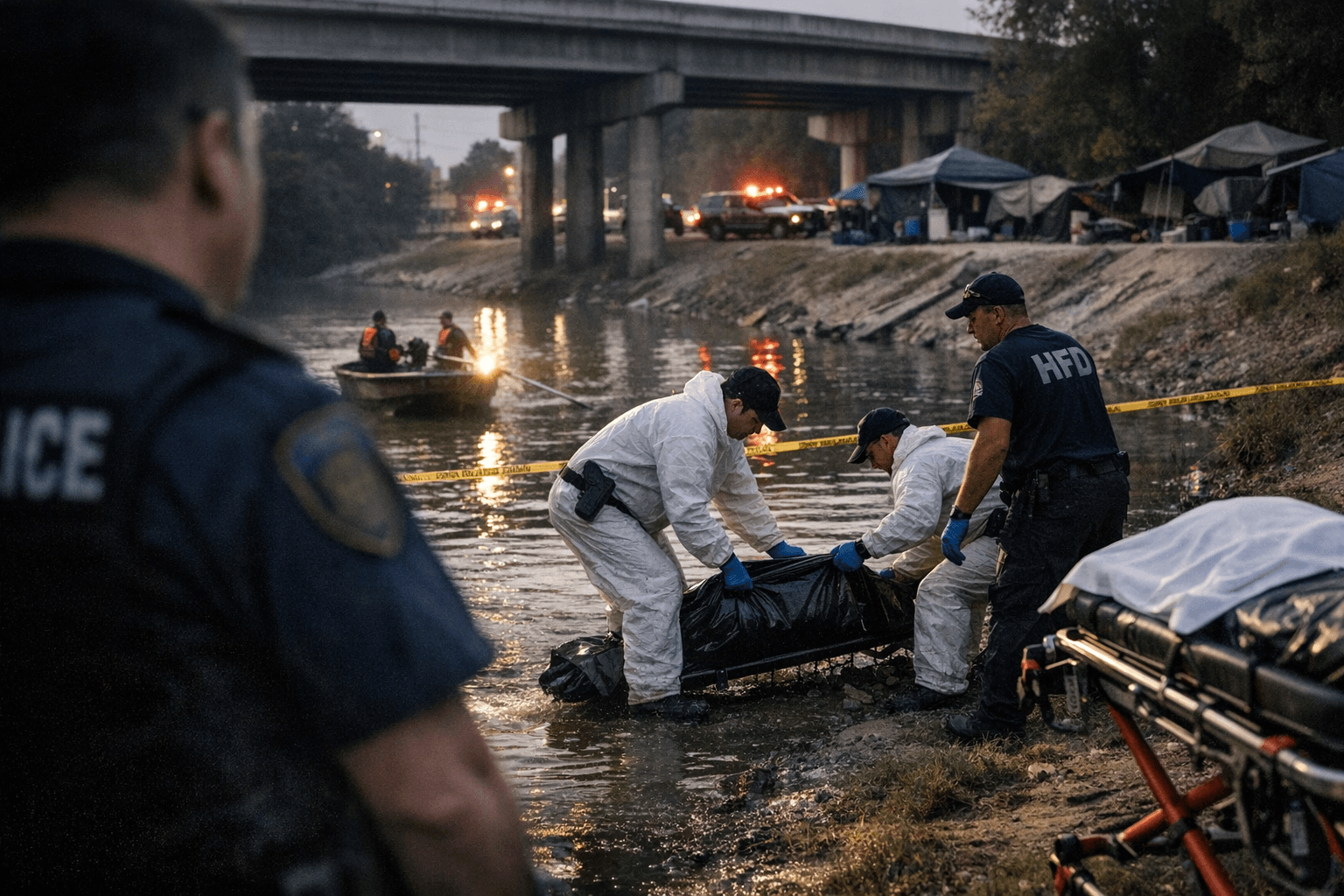
The spike has prompted calls for both prevention and transparency. Suggestions from community organizers and editorial voices include expanding outreach teams that connect people to shelters and addiction or mental-health services, improving lighting and patrols near high-traffic bayou access points, adding signage and barriers where risk is highest, and faster, clearer communication from the medical examiner about causes and investigative limitations. Officials face pressure to balance privacy and investigative integrity with the public’s demand for information about unusual trends.
For Harris County residents, the increases mean heightened awareness about safety near waterways and renewed focus on the region’s vulnerable populations. Families who recreate by the bayou, neighbors who live along its banks and volunteers who conduct outreach all have a stake in prevention strategies and improved coordination among police, medical examiners and social services.
The takeaway? Watch your surroundings near the bayous, check on neighbors and people who sleep outside, and push for better outreach and services that tackle the root causes of risk before another life is lost. Our two cents? Supporting local outreach and mental-health resources is the most practical way to make our bayous safer for everyone.
Sources:
Know something we missed? Have a correction or additional information?
Submit a Tip