Springfield Christmas Parade Returns, Funds Aid Lane County Families
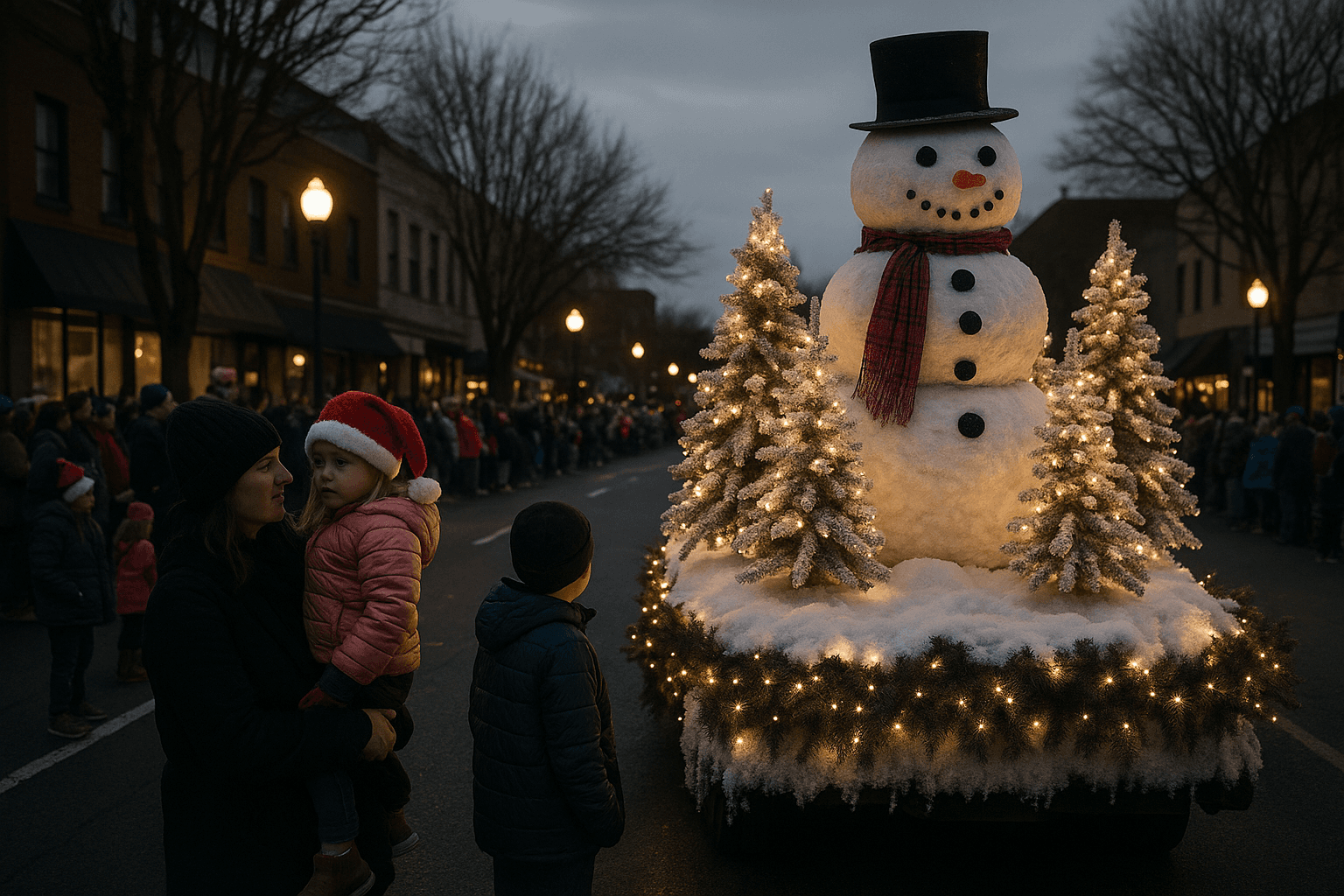
The 73rd annual Springfield Christmas Parade took place yesterday, bringing holiday floats and community groups together under the theme Enchanted Snowman Forest while raising money for children and families in need across Lane County. The event brought joy to neighborhoods, but city street closures and altered access highlighted transportation and equity concerns for residents who rely on nearby services.
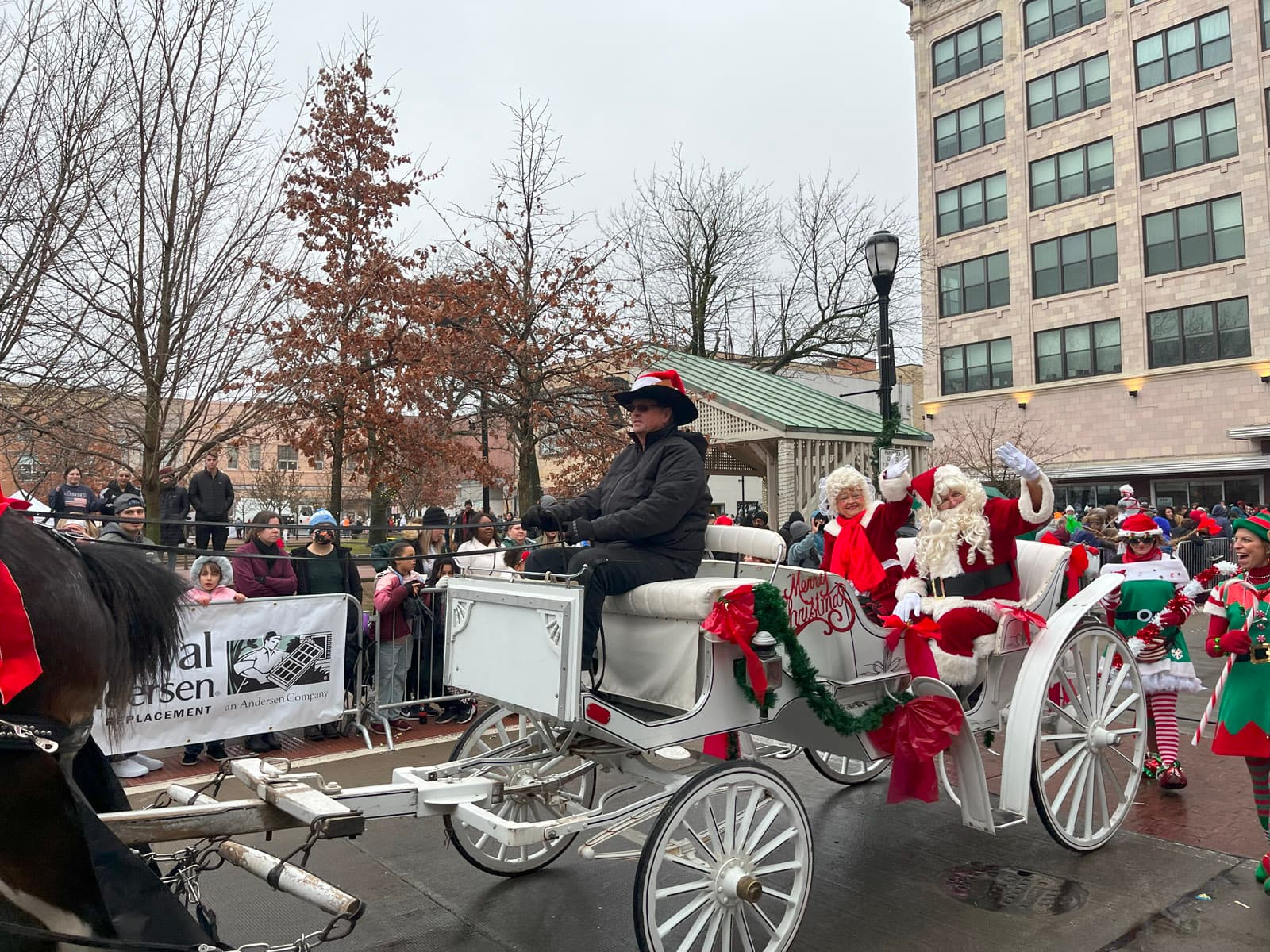
Springfield welcomed floats and crowds yesterday for the 73rd annual Christmas Parade, a longstanding community tradition that showcased the theme Enchanted Snowman Forest. The parade began near 21st and Olympic streets at 1 p.m., moved south onto Mohawk Boulevard and 14th Street, then turned west onto Main Street and concluded at Pioneer Parkway East.
The event was hosted by the Oregon Riders Society, with proceeds earmarked to support children and families in need in Lane County. For many families and service organizations, the parade serves as both a fundraiser and a visible demonstration of community solidarity during the holiday season. That benefit arrives alongside logistical tradeoffs for residents who live, work, or receive care along the route.
City officials closed streets along the route from noon to 3 p.m. Main Street was closed from 28th Street to Pioneer Parkway East. Mohawk Boulevard and 14th Street were closed from 18th Street to South A Street. Olympic Street was closed from 28th Street to Mohawk Boulevard. Those closures temporarily changed traffic patterns and access to nearby storefronts, clinics, and bus stops, creating potential challenges for people who rely on public transit or scheduled medical appointments.
From a public health perspective, timed closures require careful planning to protect access to urgent care and to ensure emergency vehicles can reach patients without delay. Community events that draw large crowds also underscore the need for inclusive planning that accounts for people with mobility limitations, caregivers with young children, and people who cannot easily shift schedules. When charitable events support basic needs such as food, housing, and family services, equitable access to the event and to concurrent city services becomes a priority for public health and social equity.
Local small businesses along the route experienced a mix of disruption and opportunity. Some benefited from increased foot traffic, while others faced reduced vehicle access during the middle of the day. As Springfield continues to host community gatherings, balancing celebration with reliable access to health, transit, and social services will remain central to ensuring the benefits of such traditions reach all residents.