State and Conservancy Secure 6,000 Acres at Ghost Ranch
The National Ghost Ranch Foundation and the Presbyterian Church Foundation announced on December 12 that a partnership with the State of New Mexico and the New Mexico Land Conservancy will place conservation easements on 6,000 acres around Ghost Ranch. The agreement secures landscapes, water and wildlife habitat while preserving the site for education and public access, a move that carries implications for local land use, tourism and long term public funding.
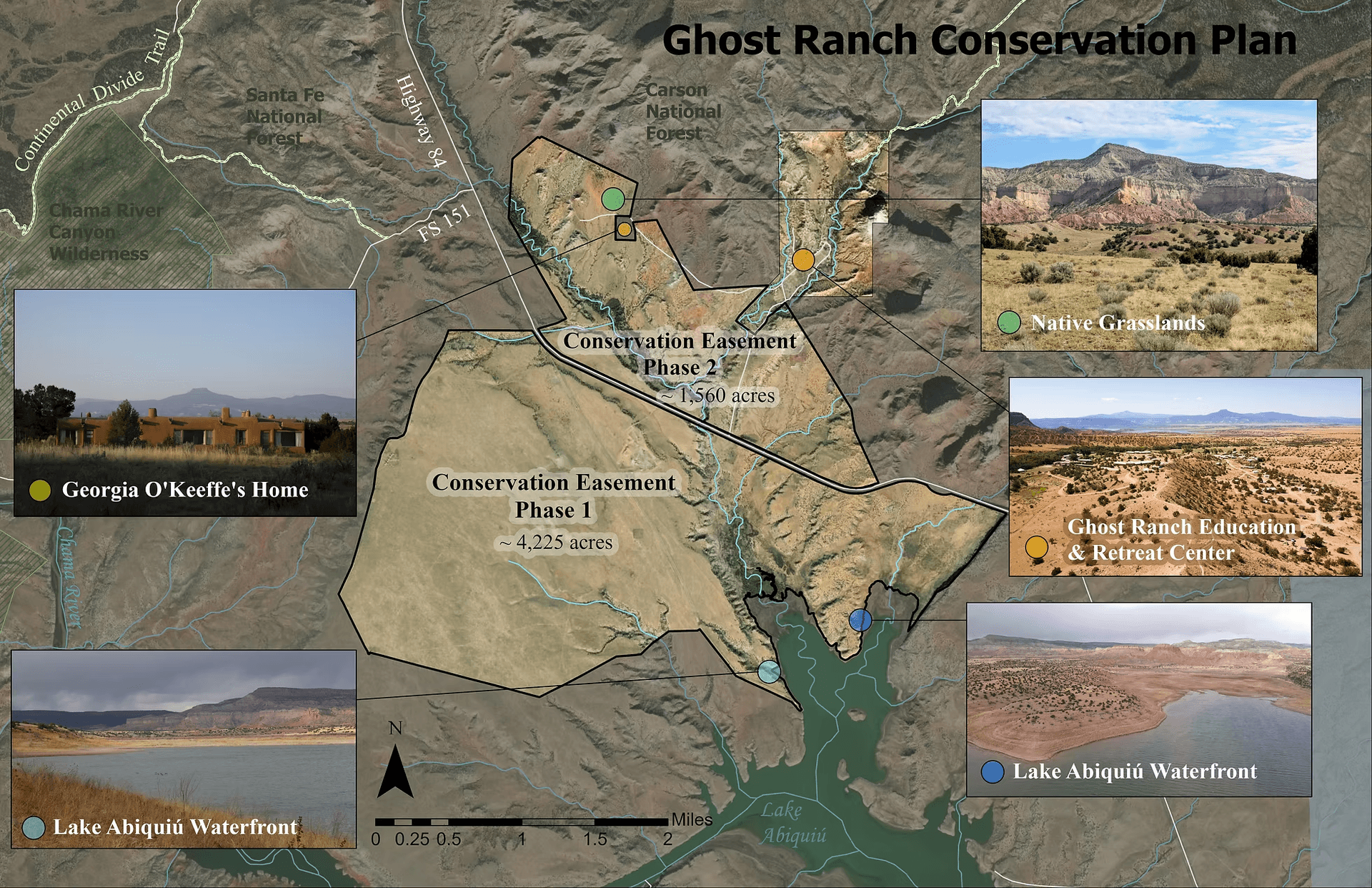
On December 12 state and private partners unveiled the Ghost Ranch Conservation Plan, a multi party effort to protect 6,000 acres of land, water and wildlife habitat in northern New Mexico through conservation easements. The initial phase is supported by a New Mexico contribution of $921,450 administered through the Energy, Minerals and Natural Resources Department Natural Heritage Conservation Act Program and funded by the Land of Enchantment Legacy Fund. The New Mexico Land Conservancy will hold the easements in trust for public benefit. The plan will not affect the 550 acres that comprise Ghost Ranch core facilities including the visitor center, trails, lodging, stables and museums.
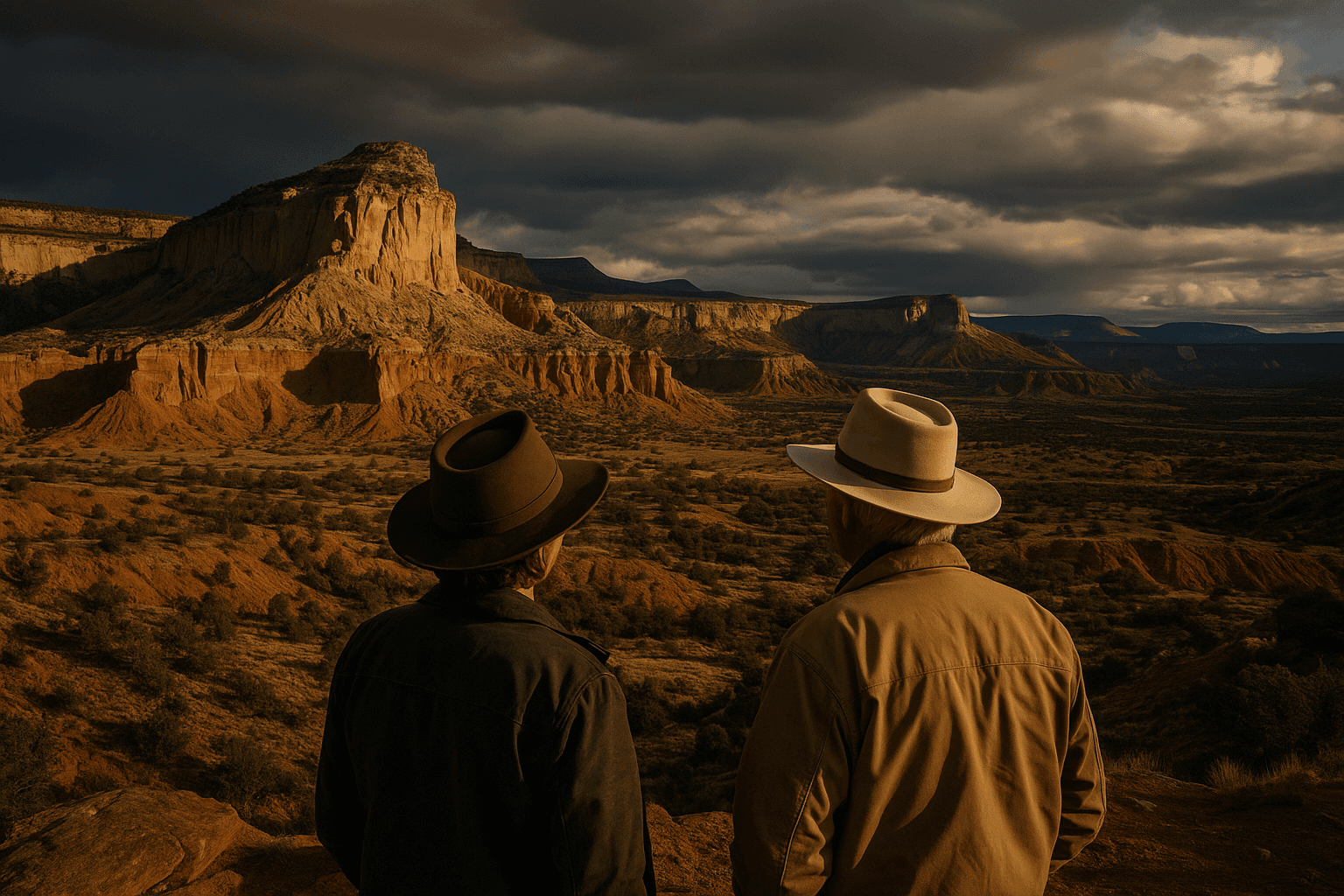
The project aims to preserve the vistas associated with Georgia O Keeffe and to secure the broader landscape for Indigenous communities, land grant communities and the visiting public. For Los Alamos County residents the practical outcomes include reinforced protection of scenic corridors that contribute to regional tourism and outdoor recreation, continued operation of Ghost Ranch educational programs, and formal limits on certain types of future development across conserved tracts.
Conservation easements are permanent legal tools that restrict land uses while permitting continued operation of existing programs. By placing easements in trust with a nonprofit conservancy the plan removes development pressure from conserved parcels while keeping the central campus available for retreats, education and public visitation. The funding mechanism used for the initial phase comes from a state legacy fund that is subject to legislative and budgetary oversight, which means long term implementation will depend on continued public policy support.
Institutionally the agreement highlights a model of partnership across private foundations, a nonprofit land conservancy and state agencies. It underscores the role of state conservation programs in leveraging private stewardship to achieve public benefit. Local officials and community groups will need clear information on easement terms, stewardship responsibilities and visitor management to align county services with anticipated visitation patterns.
Maps and additional materials have been posted at ghostranchconservation.org for residents seeking details. As the plan moves forward public transparency about funding, easement restrictions and the consultation process with Indigenous and land grant communities will determine how effectively this preservation effort balances conservation goals with local needs and civic interests.
Sources:
Know something we missed? Have a correction or additional information?
Submit a Tip