State Funding Freeze Forces Legal Aid Office Closures, Cuts Local Services
North Carolina Legal Aid closed nine regional offices and laid off dozens of attorneys after statewide funding that supports civil legal services was effectively frozen. The disruption will reduce access to eviction defense, domestic violence protections, wills clinics, and disaster recovery legal help, with significant effects for Buncombe County residents who rely on in county assistance.
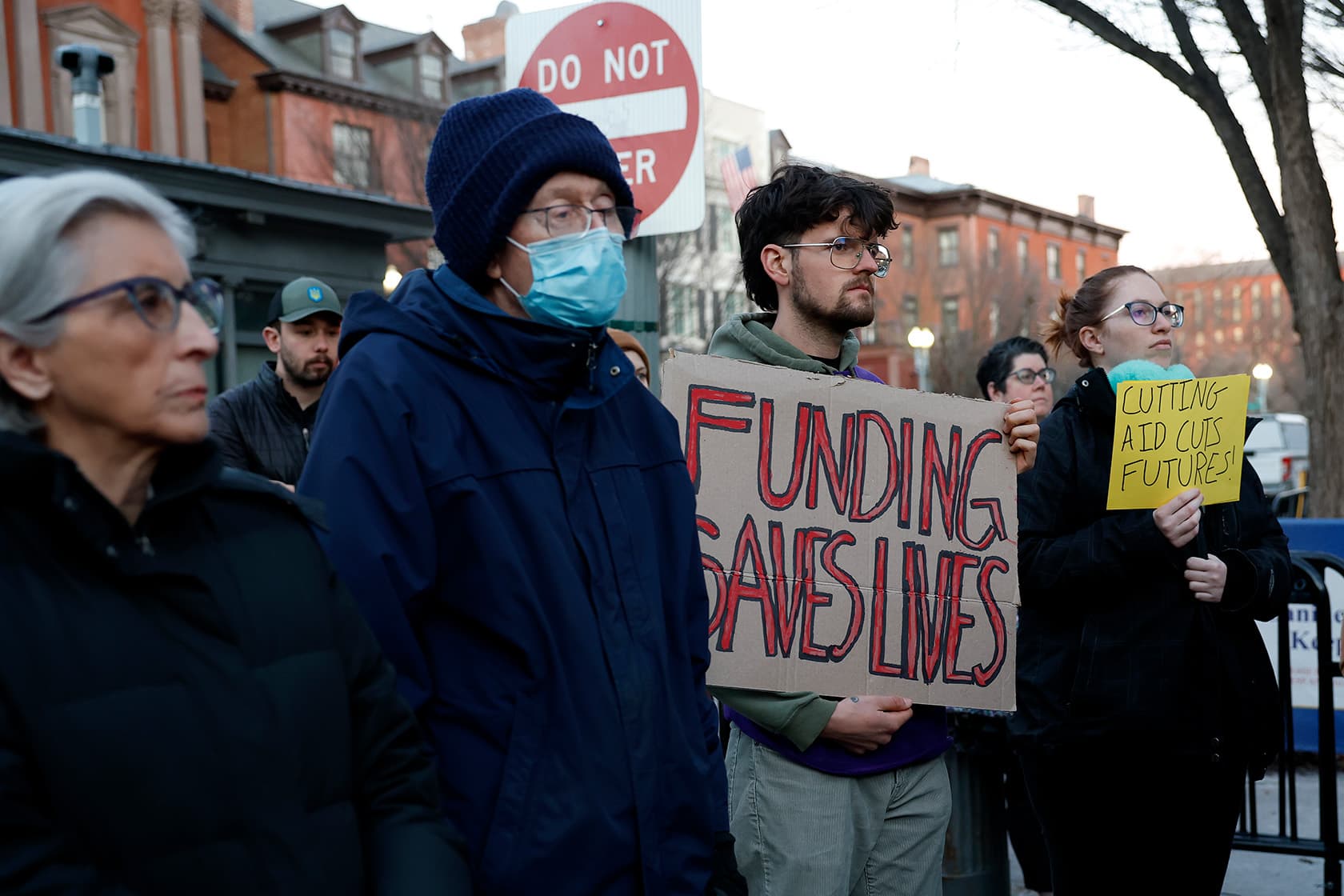
North Carolina Legal Aid announced closures of nine regional offices and layoffs of dozens of attorneys after a statewide funding freeze halted major streams that support civil legal services. The freeze followed legislative scrutiny of IOLTA, Interest on Lawyers Trust Accounts, grant recipients and a one paragraph provision in the Public Safety Act that effectively stopped some funds from flowing. The organization now expects to serve roughly 8,000 fewer clients in 2026.
Legal Aid provides civil legal help that low income residents depend on, including eviction defense, domestic violence protection orders, wills clinics, and assistance with immigration referrals. With reduced staff and closed offices, managers said they have been forced to make difficult prioritization decisions, focusing resources on active domestic violence cases and other high urgency matters. Several regional offices across the state will no longer offer in person services.
The changes carry direct implications for Buncombe County. Local clients who previously accessed in county legal help for housing disputes, safety orders, immigration guidance, and aid tied to Hurricane Helene recovery will face longer waits, increased travel to distant offices, or the need to rely on stretched partner organizations. Legal Aid had been a regular partner in outreach during the Hurricane Helene recovery, helping residents navigate insurance, landlord disputes, and emergency assistance eligibility. Those partnerships now face reduced capacity and uncertain continuity.
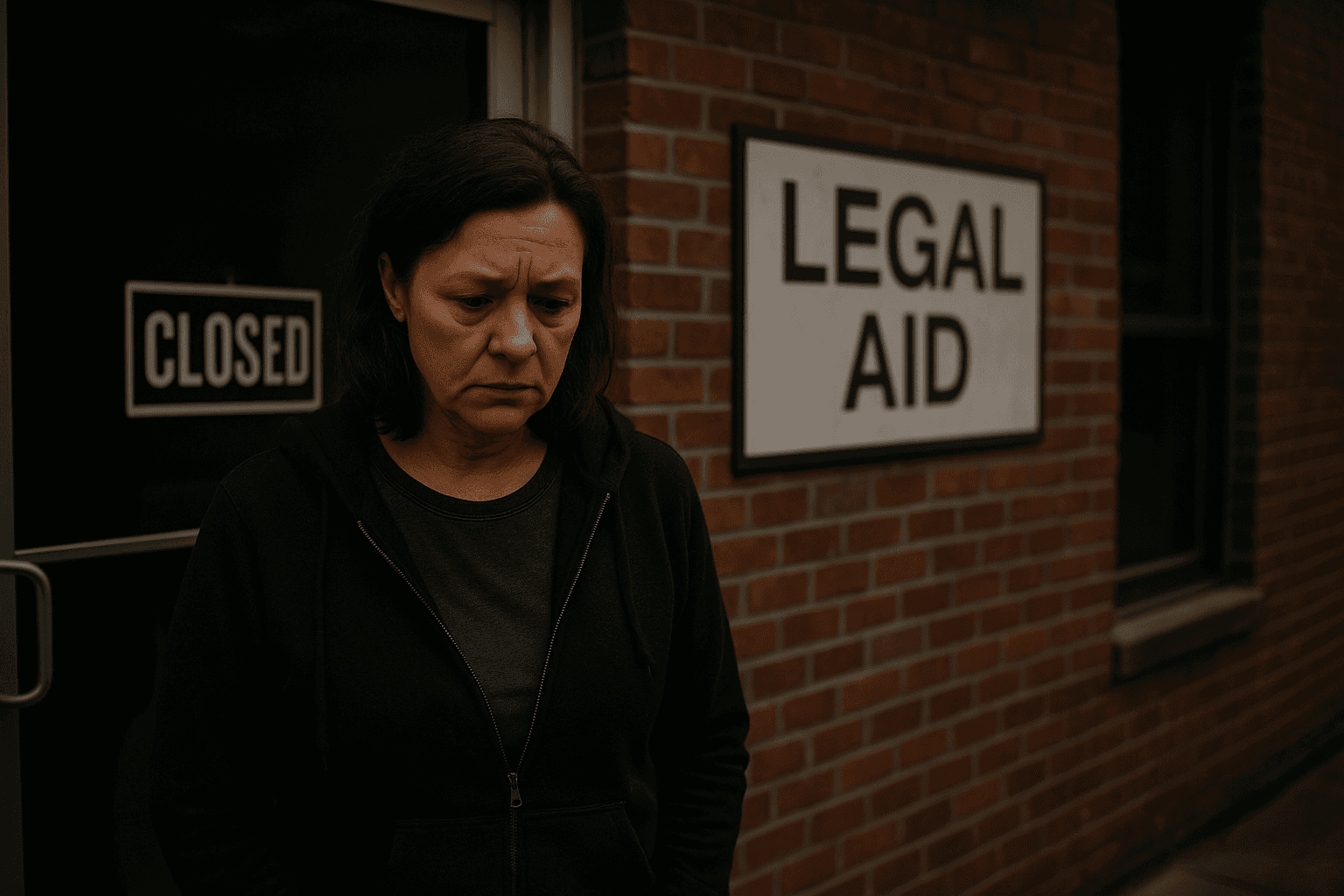
Community legal clinics and nonprofit partners that coordinated with Legal Aid now confront gaps in referrals and case handling. Landlords, tenants, and service providers may see spikes in unrepresented cases in housing court and interruptions in coordinated responses to domestic violence and disaster related legal needs. For residents with limited means, loss of easily accessible legal assistance can mean missed deadlines, loss of housing, and diminished protections against violence.
As the funding freeze remains in effect, local governments, advocacy groups, and service providers will need to reassess how they fill the emerging gaps. Tracking restoration of funding, legislative responses, and alternative local resources will determine whether Buncombe County can mitigate the immediate reduction in legal services for its most vulnerable residents.
Sources:
Know something we missed? Have a correction or additional information?
Submit a Tip