State Grant Restores Daily Bus Service to Baker City
A one year Oregon Department of Transportation grant funded Northwestern Stage Lines to restore daily intercity service between Portland and the Boise Airport, with a scheduled stop at the Baker Truck Corral on Campbell Street. The move restores a vital link for Eastern Oregon residents after the Greyhound and FlixBus route ended earlier in 2025, and it creates new connections to local transit partners for work travel, medical access, and airport trips.
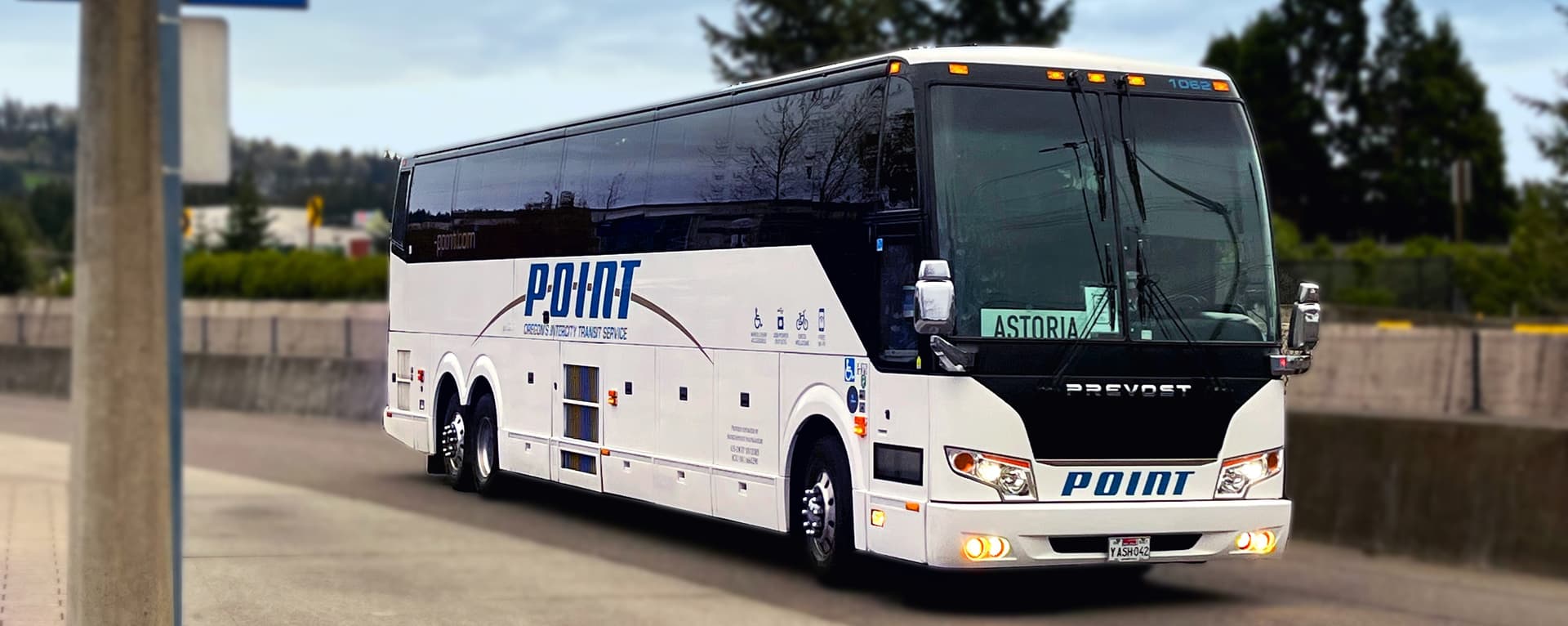
On December 21, state officials announced that Northwestern Stage Lines would begin operating daily intercity buses along Interstate 84 between Portland and the Boise Airport, reinstating a route that ended earlier in 2025. The startup and operating support comes in the form of a one year grant from the Oregon Department of Transportation. Service will include two scheduled trips each day, one eastbound and one westbound, and will serve a Baker City stop at the Baker Truck Corral on Campbell Street.
Restoration of this route is aimed at closing transportation gaps that left many Eastern Oregon residents without affordable, direct access to larger hubs. The loss of Greyhound and FlixBus earlier in the year removed a low cost option for riders traveling for work, medical appointments, and connecting flights. The new service is intended to reconnect communities along Interstate 84 and to feed larger transit hubs in Portland and Boise.
Ticketing and schedule details are reported to vary by day, and early coverage noted connections and fare structures tied to Portland and Boise hubs. Local transit agencies including Community Connection and La Grande Transit will be able to connect riders to the intercity buses, enabling single day commutes and multi modal trips that rely on coordinated schedules. For Baker County, the re established stop at Campbell Street reduces the need for costly private vehicle travel or multiple transfers for residents without personal cars.
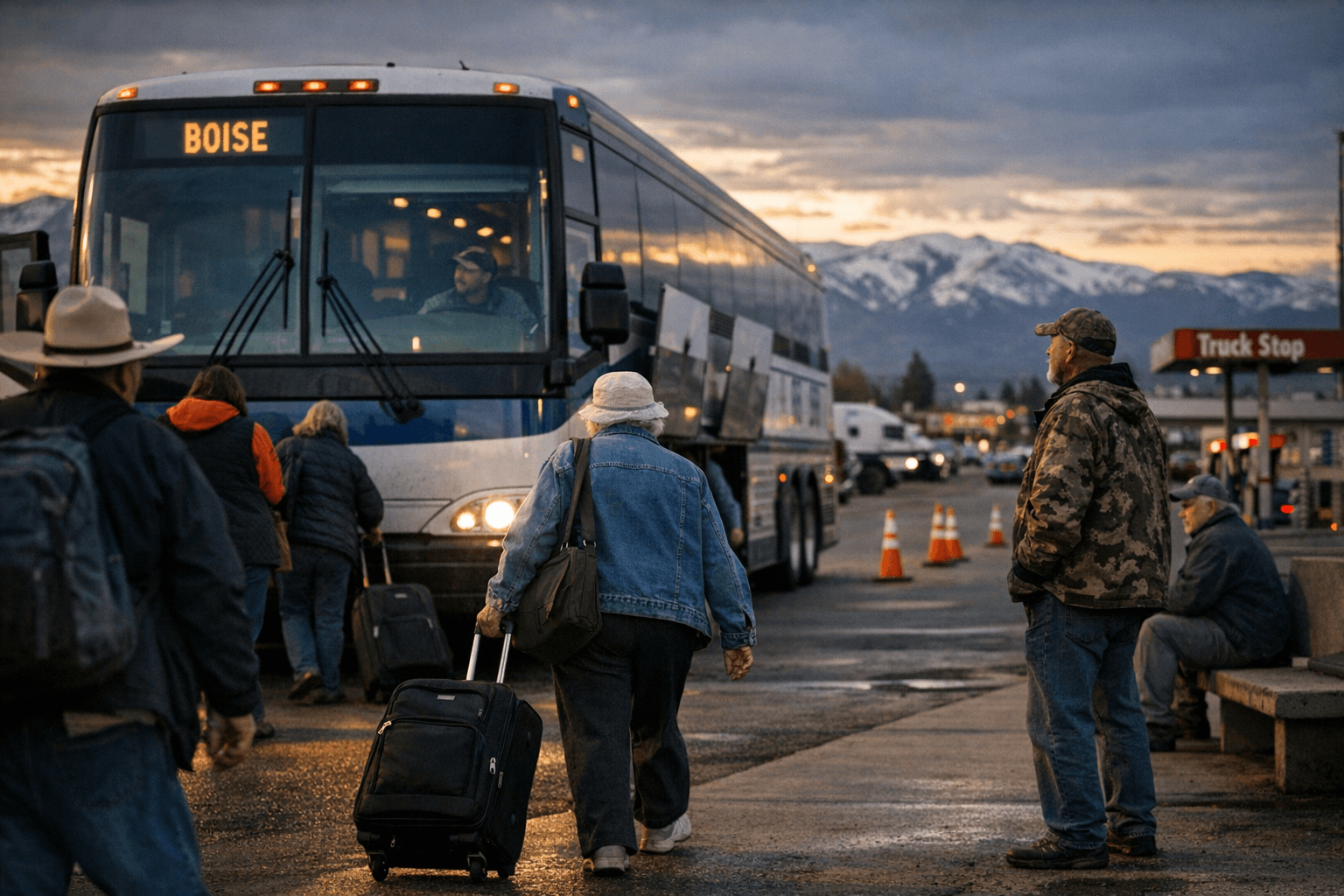
From a policy perspective, the state grant underscores a trend toward public intervention when private carriers retreat from rural routes. Short term operating subsidies can restore access quickly, but long term viability will depend on measured ridership, fare revenue, and continued coordination with local transit providers. Market implications include potential boosts to regional mobility that support labor market access and regional tourism, while also exposing local budgets and agencies to the challenge of aligning schedules and ticketing systems.
As the one year grant period begins, key metrics to watch will include average daily passengers, subsidy per passenger, and on time performance. Those figures will determine whether the restored service becomes a sustainable fixture for Baker County and Eastern Oregon, or whether additional state or local support will be required to maintain the corridor.
Sources:
Know something we missed? Have a correction or additional information?
Submit a Tip