Sterling Correctional Facility remains economic anchor for Logan County
Sterling Correctional Facility is one of Colorado's largest prisons and a major employer for Sterling and Logan County, providing hundreds of local jobs and regular purchases from area vendors. Its operations touch local retail, services and infrastructure, and ongoing challenges include workforce recruitment, water usage tied to regional drought planning, and sustaining community programming.
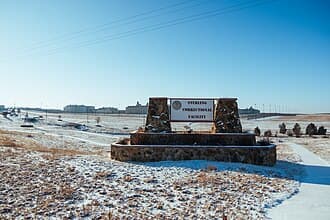
Sterling Correctional Facility, located on the northeast side of Sterling and opened in the 1990s, stands as one of Colorado's largest adult correctional institutions and a persistent economic anchor for Logan County. The facility has housed a range of custody levels, including maximum security units, and its payroll supports hundreds of workers in security, healthcare, facility operations, food service and administration.
The economic footprint of the facility extends beyond wages. SCF is a frequent purchaser of goods and services from local vendors, and staff along with visiting families provide steady business for downtown retail, restaurants and lodging. Community partnerships with local nonprofits and social service organizations have supplied vocational training and gardening programs, and in the past those programs provided produce to local food banks, linking prison operations to the county safety net.
Operations at SCF intersect regularly with county services. Local law enforcement coordinates on inmate transports, county health and social service providers work with families of incarcerated people, and the facility's demands for water, roads and utilities factor into municipal and regional planning. Those infrastructure ties have taken on greater importance as regional drought planning raises questions about resource allocation and long term resilience.

Several persistent and emerging issues shape the facility's local impact. Workforce recruitment and retention remain ongoing challenges in a tight regional labor market, and any shifts in state corrections budgets or policy priorities could ripple through local employment and vendor contracts. Water and resource usage are increasingly salient as drought planning moves to the forefront of county infrastructure decisions. Periodic public health or security incidents have required multiagency responses, underscoring the need for sustained coordination across city, county and state agencies.
For Logan County the policy implications are clear. Diversifying the local economy would reduce reliance on a single large employer, while proactive collaboration between municipal planners and the Colorado Department of Corrections can better align infrastructure and emergency response planning. Preserving community programming that links the facility to local nonprofits also supports social services and local food systems. For residents seeking detailed staffing and budget figures, state corrections reports and county economic studies maintain the official records.


