Storm Brings Heavy Snow, Crashes and Travel Disruptions to Otter Tail County
A December 10 storm left parts of Otter Tail County with up to nine inches of snow and prompted numerous vehicle crashes and road departures, officials reported. Residents experienced travel disruptions as crews worked to clear roads, highlighting risks to rural access and public safety.

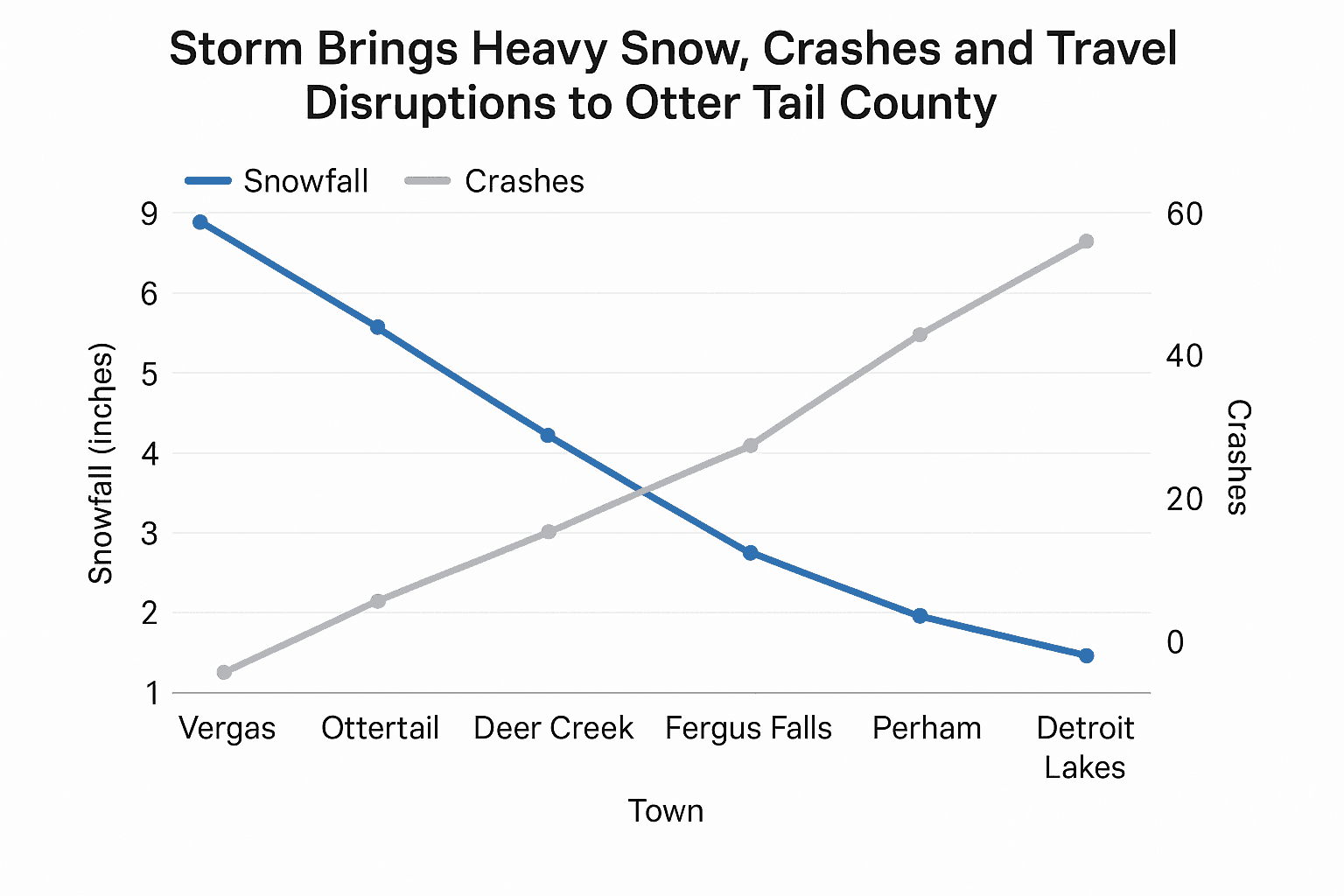
On Tuesday, December 10, a winter storm produced widely varying snowfall totals across Otter Tail County, with Vergas reporting about nine inches, Ottertail around seven inches, Deer Creek six inches, Fergus Falls five inches, and Perham and Detroit Lakes roughly four inches. Local reporting sites recorded scattered higher amounts in some areas. The report compiled snowfall measurements from local observers alongside law enforcement crash tallies for the Tuesday event.
The Minnesota State Patrol reported numerous crashes and vehicles off the road during the storm window. Local agencies urged caution and limited travel as road crews worked to clear highways and county roads. The combination of heavy wet snow in spots and slick surfaces increased the number of weather related traffic incidents and stretched response resources in both town and rural areas.
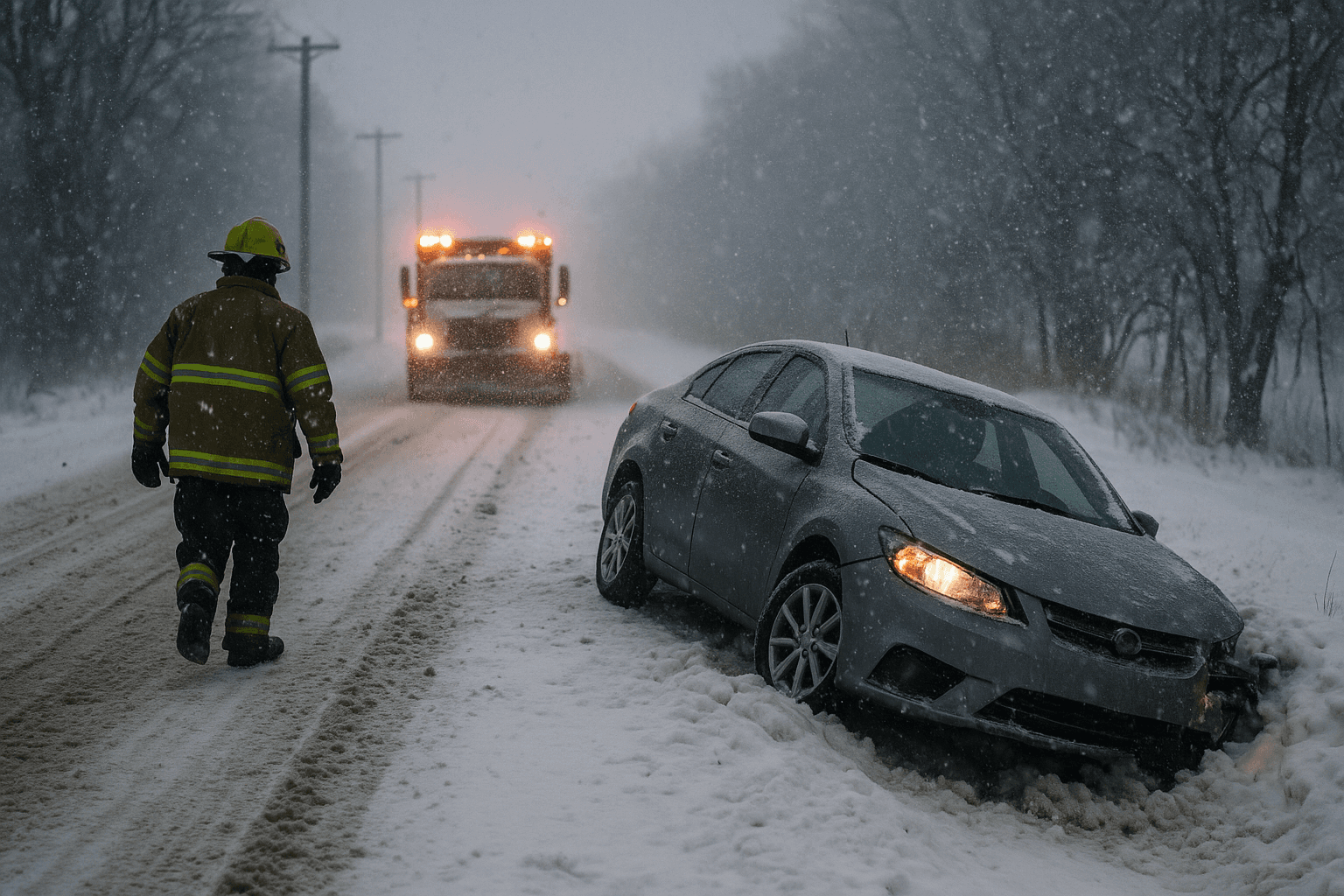
The event underscores immediate public health concerns in a county with dispersed populations and long travel distances to medical care. Crashes and blocked roads can delay emergency medical response, complicate transfers for people who need dialysis or other time sensitive care, and isolate older adults and people with limited transportation. The physical dangers of cold exposure and the mental health strain of being stranded also disproportionately affect low income households and residents who rely on taxis or rides from friends when public transit is not available.
From a policy perspective, the storm highlights the need for sustained investment in winter road maintenance and emergency medical transport capacity in rural counties. Staffing and equipment shortages can compound risks during heavy weather events, and targeted outreach to vulnerable residents can reduce preventable harm. Community level planning that coordinates county road crews, ambulance services, and social services can improve equity in access during storms.
As crews continued road clearing operations on Wednesday, officials continued to advise caution for anyone who must travel. Neighbors checking on each other and local organizations coordinating assistance for people who are homebound can help reduce the immediate health risks while longer term policy solutions are pursued.
Sources:
Know something we missed? Have a correction or additional information?
Submit a Tip