Study finds mine discharges may help secure Gary water supply, but treatment needed
A technical reconnaissance evaluated seven alternate groundwater sources for the City of Gary, sampling six free flowing mine discharges and one abandoned mine air shaft to measure flows and water chemistry. The findings show water quality issues at the existing public supply well and variable mine discharge chemistry, leaving leaders with options that require treatment, funding, and regional coordination to ensure reliable drinking water.
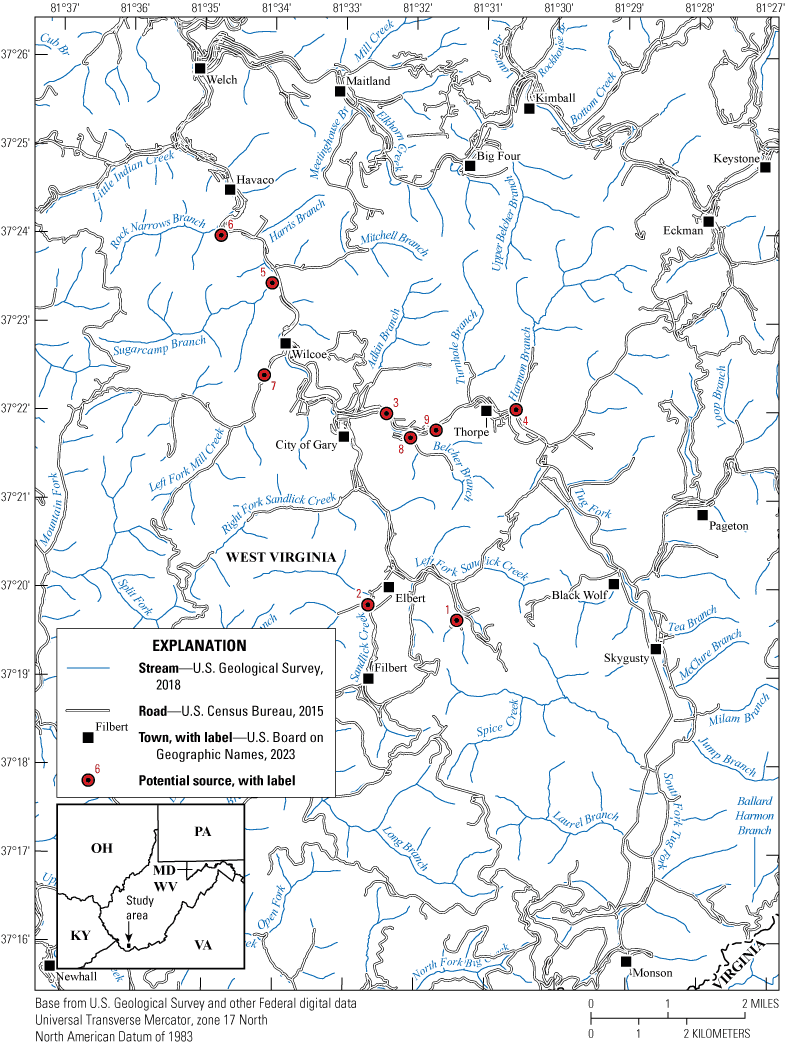
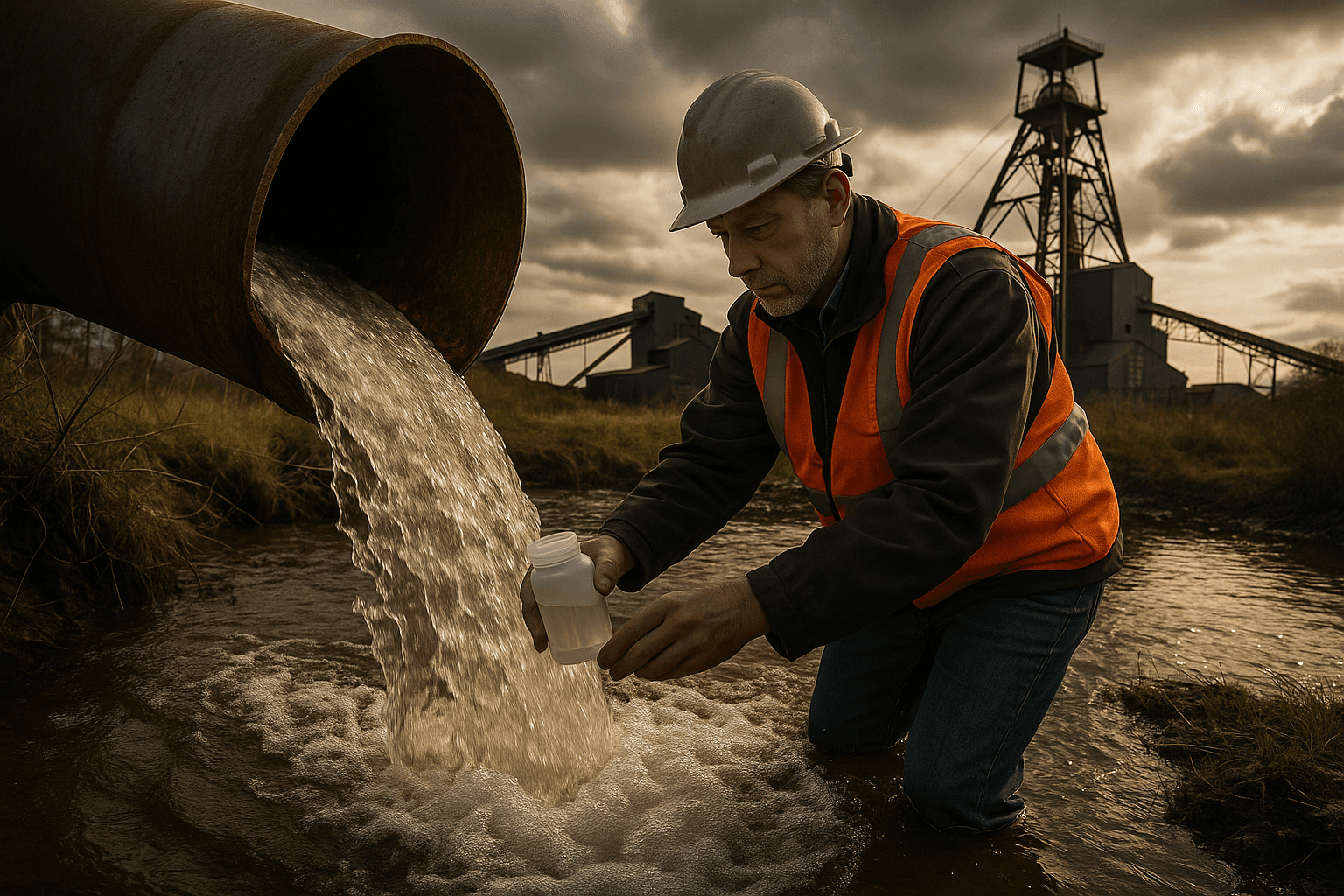
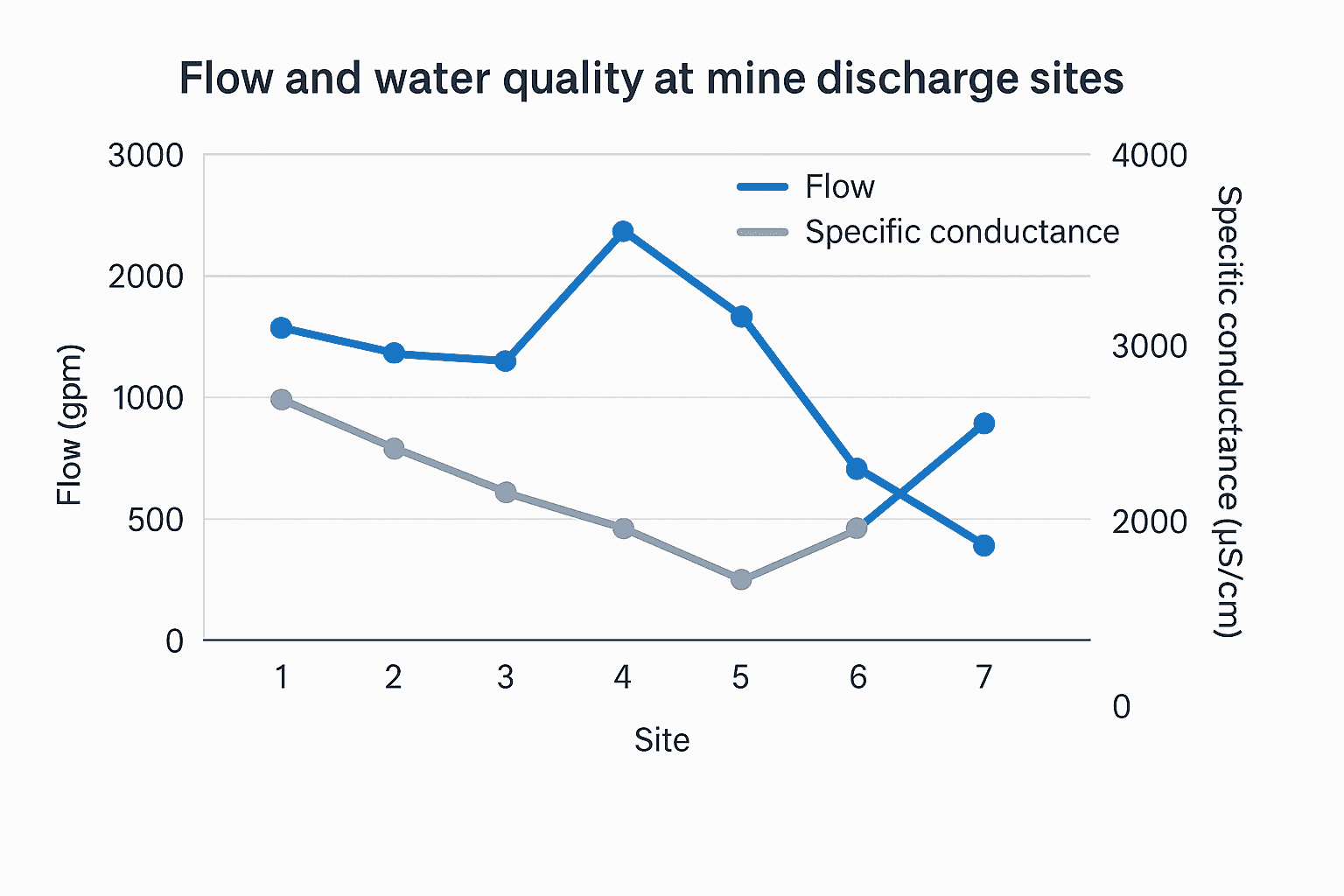
A technical reconnaissance of potential groundwater sources for the City of Gary in McDowell County examined seven sites as possible supplements or replacements for the town s existing public supply well. Field teams measured flow and collected water chemistry data from six free flowing mine discharges and one abandoned underground mine air shaft to assess whether any could be blended or used as a municipal source.
The study found elevated turbidity and elevated dissolved solids at the existing public supply well, with iron and manganese identified among the constituents of concern. Water quality and flows at the mine discharge sites were variable, with some discharges showing chemistry that could be usable after treatment or blending, while others would require extensive treatment before distribution. The reconnaissance provides flow measurements, laboratory data, and maps of sampled sites that municipal and county officials can use in planning.
For Gary and neighboring communities the findings carry immediate operational and policy implications. Short term solutions may include targeted treatment or blending at the wellhead to reduce turbidity and dissolved solids. Medium and long term planning will require decisions about capital investments in treatment infrastructure, ongoing monitoring, and permitting under state drinking water standards. These choices will affect utility budgets, rate structures, and eligibility for state or federal grants and loans.
Institutionally, the options will require cooperation among the City of Gary, McDowell County, state environmental regulators, and potential regional partners. Officials will need to weigh costs and benefits of treating existing supply against investing in infrastructure to use mine discharge sources. Transparency in technical data, procurement, and budget planning will be essential to build public trust and to meet regulatory requirements.
Civic engagement will shape the outcome. Residents should expect conversations about water reliability to figure into municipal budgeting and potential funding measures, and they should demand accessible information on treatment plans, timelines, and costs. The flow and laboratory data and maps from the reconnaissance give local leaders the technical footing to pursue targeted projects, but turning that data into reliable water service will require funding decisions and accountable governance.