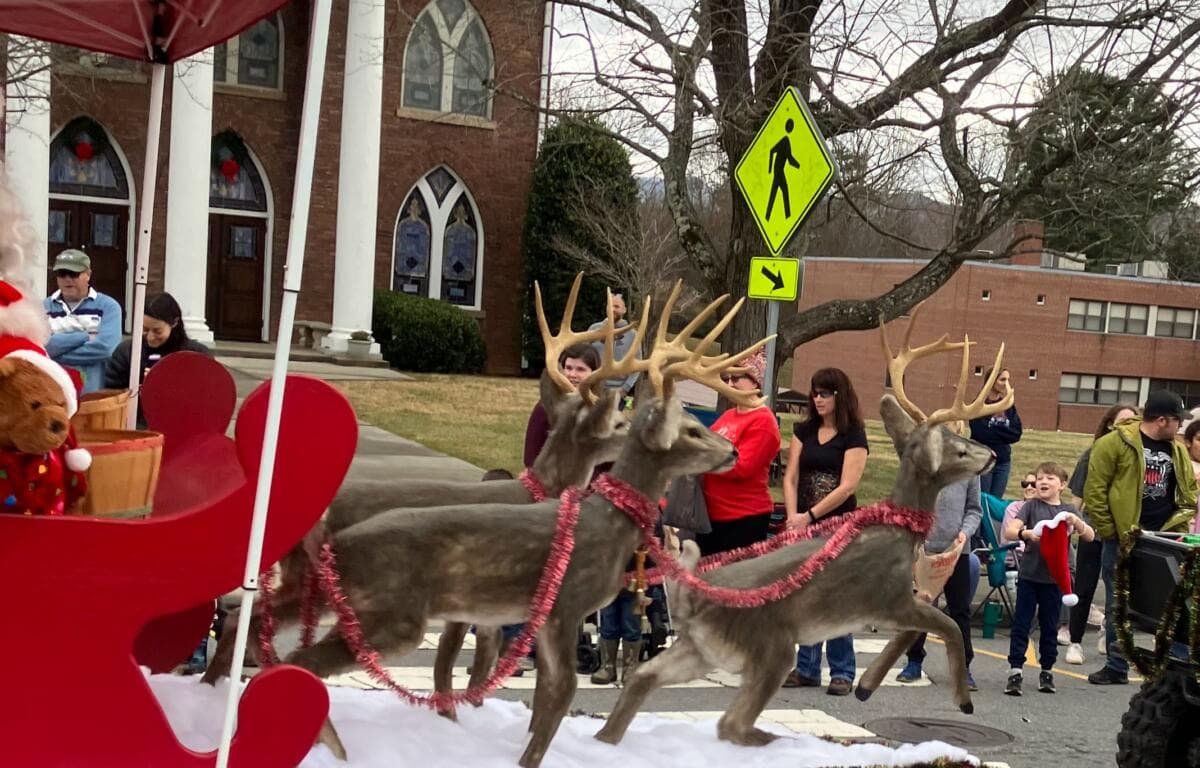
Stuffed Animal Checkups Teach Kids Veterinary Care and Health
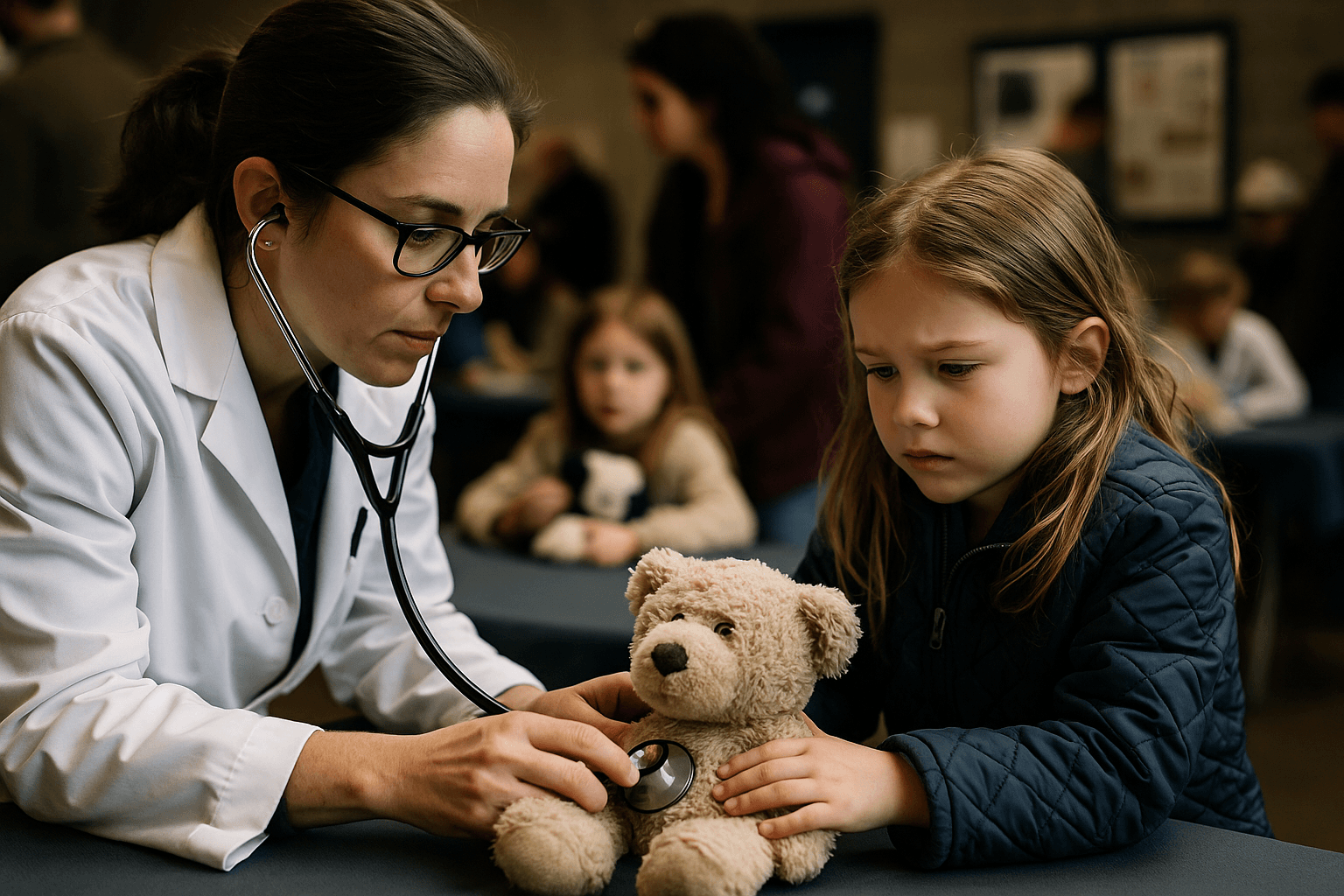
On December 5 the WNC Nature Center hosted Critter Checkup, a family event where children brought stuffed animals for mock veterinary exams led by volunteer vet technicians and veterinarians. The program combined playful activities with basic health education, and matters to local families by easing fears about medical settings and building early animal care literacy.
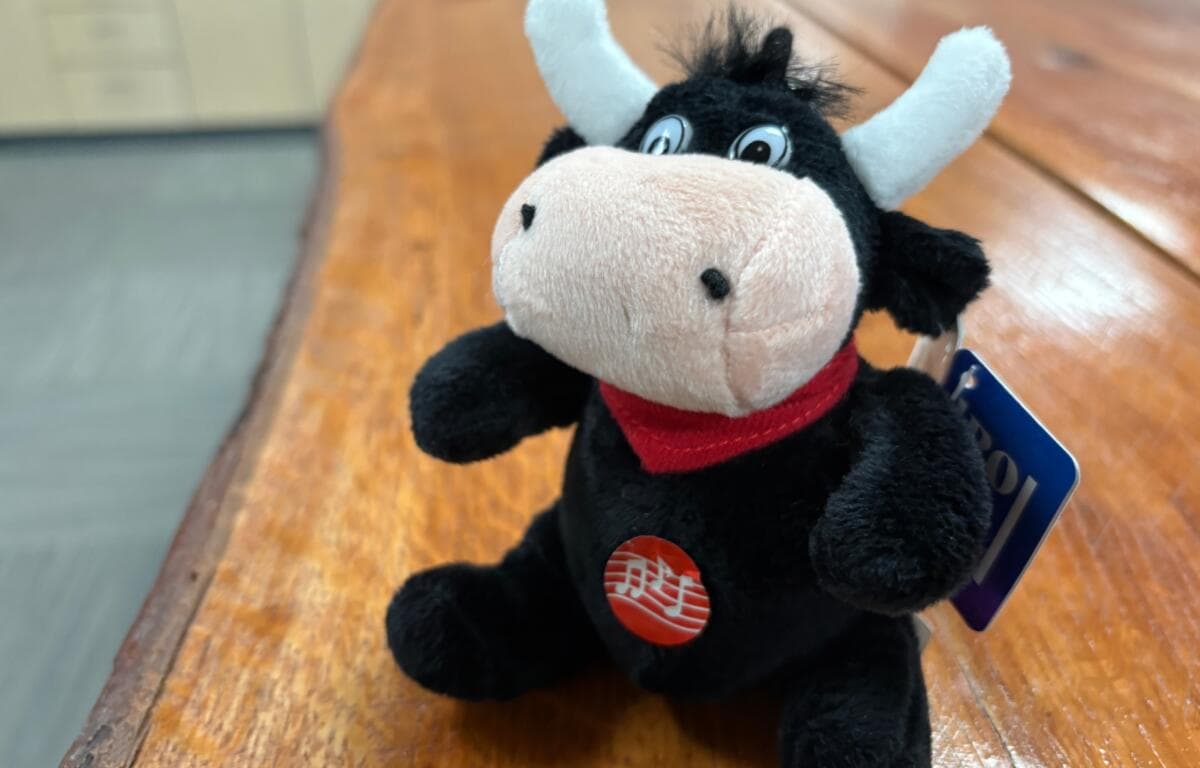
The WNC Nature Center welcomed families on December 5 for Critter Checkup, a ticketed event that invited children to bring their favorite stuffed animals for mock veterinary examinations. Volunteer vet technicians and veterinarians guided the activities, and each stuffed animal received a personalized Certificate of Health to take home. The event included hot cocoa, treats and an appearance by the Nature Center mascot, a hellbender named Meatloaf.
Sessions ran in multiple time slots throughout the day to accommodate families, and tickets were offered with separate member and nonmember pricing. Organizers designed the program to be child friendly and educational, using play to introduce concepts of animal health, wellness checks and the role of medical professionals.
Beyond the immediate fun, the event carried public health and community implications. Early positive exposure to vet care can reduce anxiety around clinical settings, which may translate into better compliance with routine animal vaccinations and wellness visits. In a region where companion animals and wildlife intersect, basic awareness of animal health supports broader community well being by encouraging responsible pet ownership and timely care.
The Nature Center has a history of combining conservation education with community programming, and Critter Checkup extended that mission by making learning accessible to young children. Offering multiple time slots and member pricing helped increase access for families with varying schedules and budgets, though broader outreach and sliding scale options could further address equity gaps for households facing economic barriers.
For Buncombe County residents, events like this serve several functions at once. They create safe, informal spaces for children to learn about care and empathy. They introduce families to local veterinary professionals who may become trusted partners in pet health. And they reinforce the Nature Center's role as a community resource that blends education, conservation and public service.
As organizers evaluate this year s event, the community benefit is clear. Programs that pair playful learning with professional guidance can nurture the next generation of informed pet owners and contribute to the health of people and animals across the county.