Subzero Morning Shocks Sullivan County, Towns See Deep Cold
A very cold morning on December 5 produced subzero low temperatures across Sullivan County, with readings as low as minus nine in Charlestown. These temperatures strain heating systems, increase risk to vulnerable residents and infrastructure, and raise immediate questions about local emergency preparedness and energy assistance capacity.
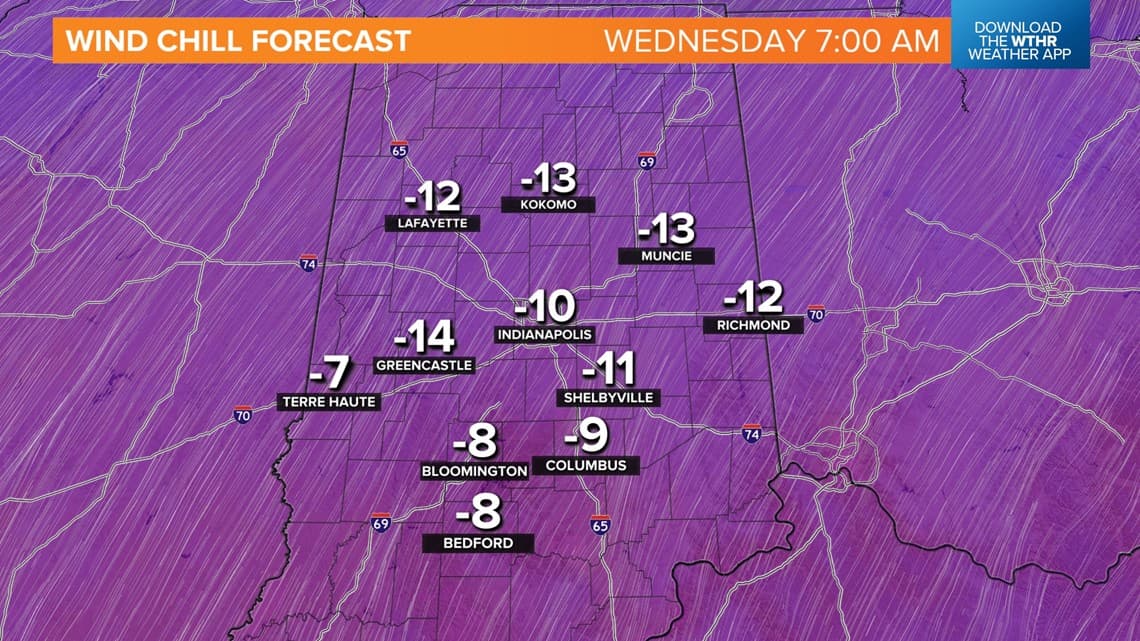
On the morning of December 5 the National Weather Service recorded a string of subzero low temperatures across Sullivan County towns. Reported lows included minus three in Acworth, minus nine in Charlestown, minus three in Claremont, minus eight in Goshen, one in Grantham, minus six in Meriden, minus seven in Newport, minus six in Plainfield, and minus seven in Sunapee. The wave of cold was notable for its geographic spread and the severity of readings in town centers.
Such lows have direct practical implications for households and municipal services. Extended subzero conditions increase the likelihood of frozen water pipes, strain heating systems and fuel supplies, and raise demand for emergency heating shelters. Residents who rely on electric heat are exposed to higher monthly bills and potential service interruptions during peak demand. For homeowners on fixed incomes and renters with limited control over building maintenance, the cold period heightened risks to health and property.
Institutionally the event underscores the role of town emergency management, public works departments, and utility providers in preparedness and response. Road treatments and vehicle maintenance are more complicated when temperatures fall well below zero, and municipal budgets face pressure to stock materials, maintain equipment, and support emergency shelter operations. The county and town authorities have recurring decisions to make about how to allocate limited resources for resilience measures, including insulation programs, community warming centers, and outreach to older residents living alone.
Policy choices at the local level shape how effectively communities cope with repeated cold events. Voter priorities for municipal budgets and for county level emergency planning can determine whether programs that prevent utility shut offs in winter, assist with heating costs, or finance infrastructure upgrades are available. Civic engagement matters now because upcoming budget votes and town meetings offer residents the chance to influence investments in energy efficiency, senior services, and public works capacity.
For now residents should remain aware that subzero mornings are not only a short term discomfort, they are a test of local systems. Town officials, emergency managers, and utilities will continue to weigh operational responses and long term policy measures to reduce the risks posed by extreme cold.