Sugar Loaf receives historic marker, recognizes National Register listing and raises community questions
Community members, historians and elected officials gathered in Sugar Loaf on December 2 to unveil a historic marker donated by the William G. Pomeroy Foundation, marking the hamlet's listing on the National Register of Historic Places. The designation reinforces local identity and could affect tourism, preservation funding and planning decisions that matter to Orange County residents.
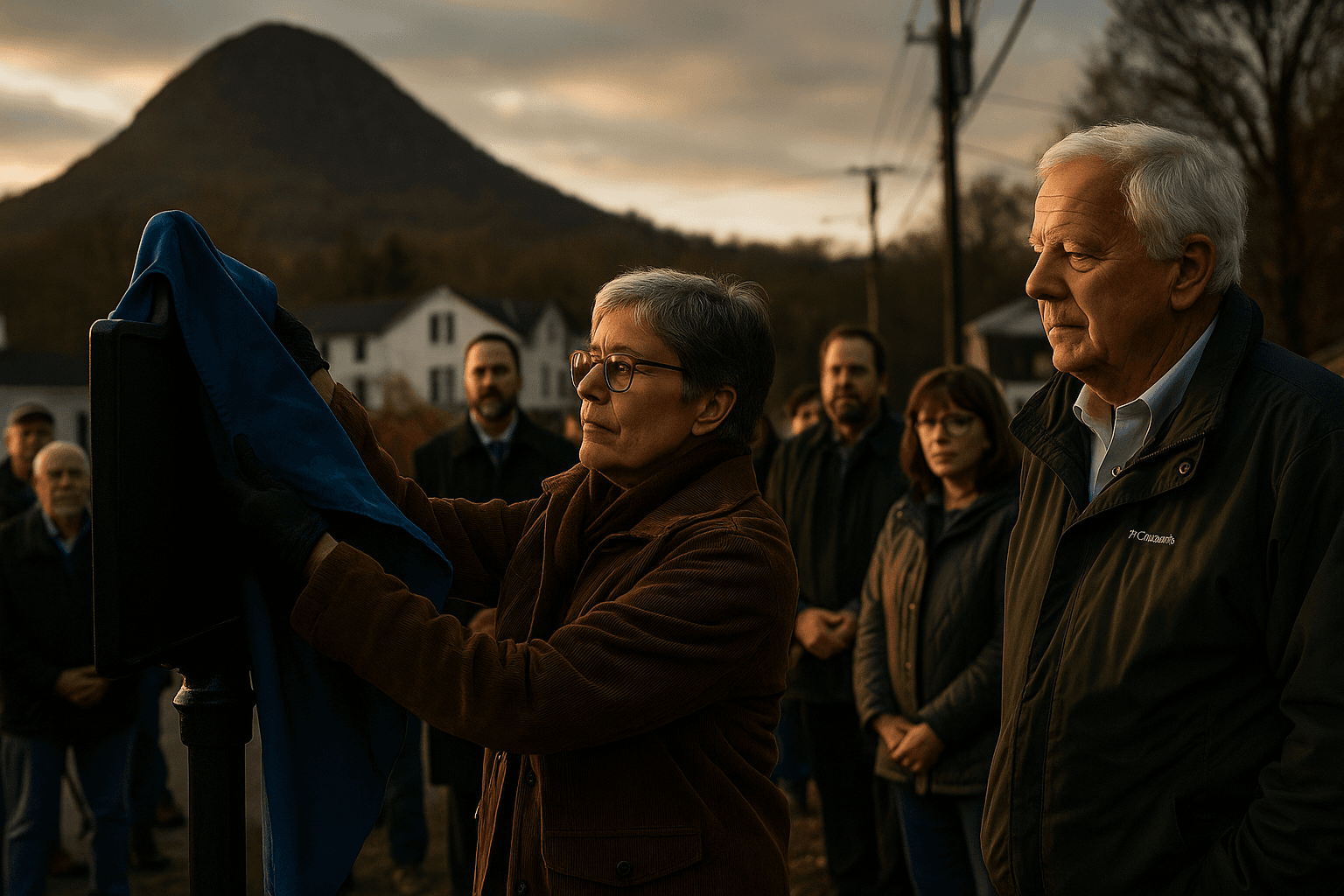
Members of the Sugar Loaf community, local historians and elected officials stood across from the Methodist Church on December 2 as a new historic marker was revealed, formally recognizing the hamlet's place on the National Register of Historic Places. The marker, donated by the William G. Pomeroy Foundation, commemorates a designation the downtown area first received in November of 2024 and places Sugar Loaf alongside Goshen, Warwick and Montgomery as Orange County locations on the list.
Jeff Zahn, president of the Sugar Loaf Community Foundation, emphasized the reasons behind the recognition, noting the hamlet's long history and built fabric. "The downtown area of Sugar Loaf was first awarded its place on the national register November of 2024. It joins Goshen, Warwick and Montgomery as an Orange County location to make the list. Sugar Loaf qualified because the hamlet was founded in the 18th century and a lot of the buildings are from the 18th and 19th century. It has to be concentric, all connected," he said.
National Register status is primarily honorary, but locally it can have practical implications. Listing can strengthen eligibility for preservation grants and philanthropic investments, and it signals to visitors and developers that historic character is a community priority. For Sugar Loaf, which markets its antique shops, galleries and village atmosphere, the marker may help attract heritage tourism that supports small businesses and local jobs.
At the same time the designation raises questions about equity and planning. Preservation driven growth can increase property values and change neighborhood dynamics, with consequences for affordability and long term residents. Public health and social equity are intertwined with these outcomes, as displacement pressures affect housing stability, access to services and community cohesion. Local leaders and preservation advocates will need to balance cultural stewardship with policies that protect renters and lower income households.
The unveiling at the Methodist Church was both a celebration of Sugar Loaf's past and a prompt for future planning. As the village considers how to use the recognition, residents and policymakers in Orange County will face decisions about funding priorities, zoning, and inclusive economic development to ensure the benefits of historic status are broadly shared.