Summit County Conducts Pile Burning Near Pinebrook To Cut Wildfire Fuels
On December 8, Summit County authorized a controlled pile burn on county owned Robert's Parcel near Pinebrook, targeting about 150 cured piles across a 5.2 acre treatment to reduce wildfire fuels adjacent to neighborhoods and Woodward Park City. The operation, carried out by Apex Fire Preparedness under a Utah Watershed Restoration Initiative grant, underscores local mitigation priorities and the need for continued coordination between land managers, fire agencies, and residents.
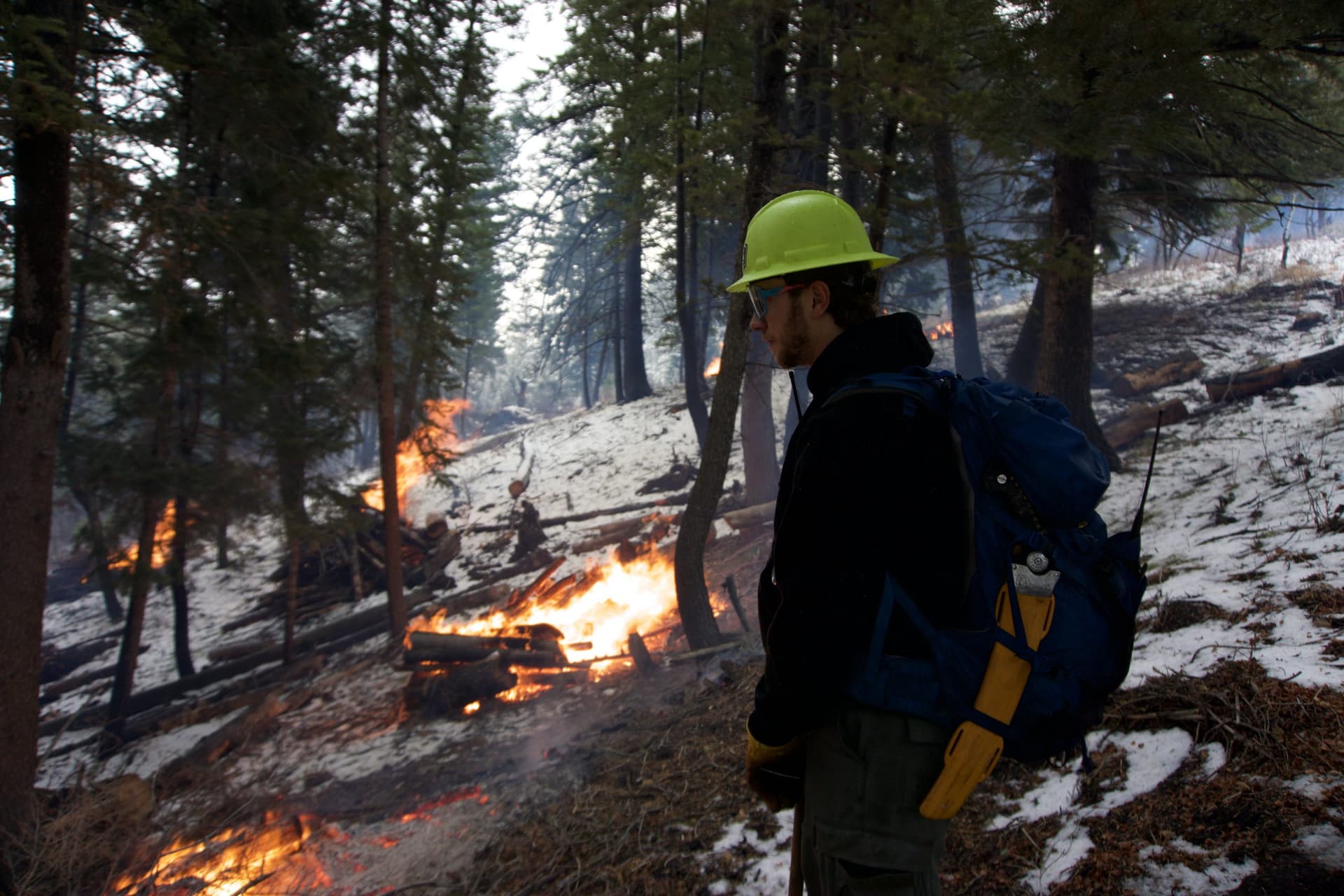
Summit County land managers and contractor crews completed a visible pile burning operation on December 8 on Robert's Parcel, a county owned parcel near Pinebrook. The project addressed approximately 150 previously cured piles within a 5.2 acre area, part of a broader mitigation program in the Snyderville Basin designed to reduce hazardous fuels near homes and recreational areas including Woodward Park City.
Apex Fire Preparedness conducted the burn under funding from the Utah Watershed Restoration Initiative. Operational decisions emphasized safety and smoke management, with crews lighting roughly 50 piles at a time to control flame behavior and reduce smoke impacts. Crews used wax paper layers inside piles to keep interiors dry and employed drip torches fueled with a diesel and gas blend to ignite the material. Park City Fire District personnel were notified and coordinated on scene to monitor the operation.
County Lands and Natural Resources leadership oversaw planning and neighbor outreach. Staff informed Pinebrook homeowners in advance and worked across property lines to align treatment goals with private property interests. Crews returned daily after the burn to check and extinguish any remaining heat until piles were cold, a standard containment and follow up practice for pile burns.
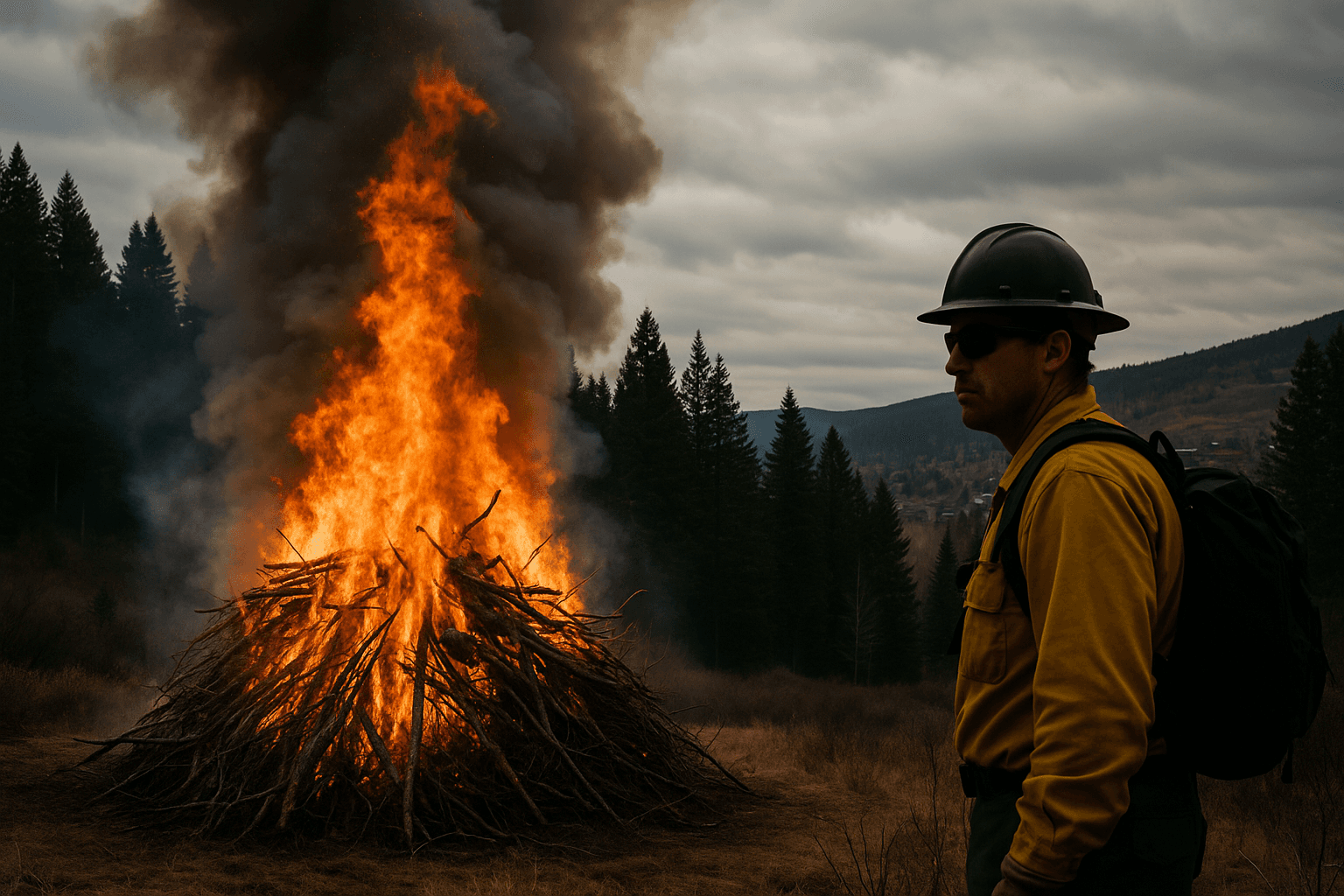
Timing played a role in operational risk management. Snowy and blizzard conditions during the burn reduced fire spread potential and helped limit smoke accumulation, providing a safer window for pile ignition and control. The choice of conditions reflects a risk reduction strategy that balances fuel removal with air quality and public safety concerns.
This work highlights policy choices facing local officials as wildfire mitigation moves to the forefront of county planning. Funding through state watershed grants expands capacity for on the ground projects, but also raises governance questions about prioritization, long term maintenance, and public notification procedures. For residents, the project reduced near term wildfire risk and served as a reminder that civic engagement and clear communication between homeowners, county agencies, and fire districts are critical to neighborhood safety and to shaping future mitigation priorities.