Summit County opens Community Planning Lab to residents
Summit County opened applications for an 11-session Community Planning Lab running Feb 23-May 4 to teach land-use decisionmaking and boost local engagement.
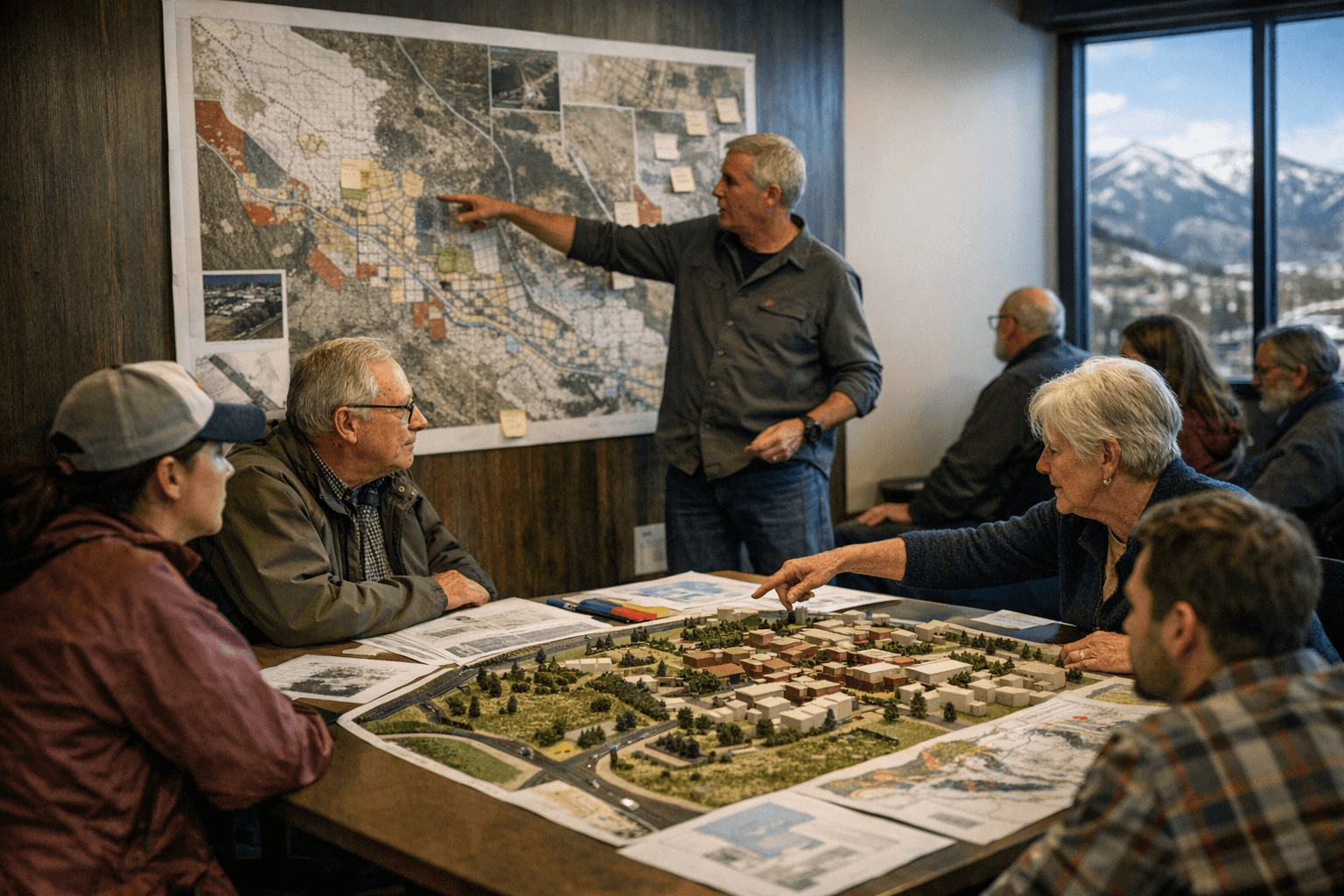
Summit County opened applications Jan. 7 for a new Community Planning Lab, an 11-session evening course aimed at residents, business owners and community leaders who want to better understand local planning and land-use decisionmaking. Sessions run Monday evenings from 6:00–8:30 p.m., Feb. 23 through May 4, 2026, with the first seven meetings at The Ledges Conference Room in Coalville and the final four at the Sheldon Richins Big Auditorium in Kimball Junction.
The lab offers 11 sessions of 2.5 hours each, totaling 27.5 instructional hours, and the county frames the program as an opportunity to learn planning processes and to empower community engagement on development and land-use topics. Applications are open through end of day Feb. 1; the county’s application form and further details are posted at summitcountyutah.gov/CivicAlerts.aspx.
For Summit County residents, the program arrives at a politically and economically meaningful moment. Land-use decisions shape where homes and businesses go, how infrastructure is prioritized and how property values and taxes evolve. A working knowledge of the planning process helps neighbors convert concerns about density, traffic and local character into effective testimony, permit comments and participation in advisory boards. For small business owners and prospective developers, the lab can clarify procedural timelines and public-review stages that affect project feasibility and cost.
Holding sessions in both Coalville and Kimball Junction signals an intent to reach participants across the county. Kimball Junction is a focal point for recent commercial and lodging activity, while Coalville serves as a hub for the county’s rural north; offering in-person meetings in both locations lowers travel friction and can broaden the diversity of voices engaging in planning debates.
From a policy standpoint, the county’s decision to run a dedicated community lab is an investment in civic capacity. Educated stakeholders can reduce contentious hearings and costly rework by aligning expectations earlier in the review process. Over the long term, regular, informed participation can improve plan outcomes and make local approvals more predictable for investors and residents alike.
The practical upshot: if you want to influence where growth lands in Summit County, this is a structured way to learn the rules and the room where decisions get made. Our two cents? Apply before Feb. 1, mark your Mondays, and come prepared—this is a rare chance to get 27.5 hours of direct, local planning education and use it to shape how Summit County grows.
Sources:
Know something we missed? Have a correction or additional information?
Submit a Tip