Supreme Court Signals Major Reversals, Threatens Established Administrative Doctrines
The Supreme Court gave clear indication on December 6 that it may be prepared to overturn a string of long standing precedents that have underpinned modern American governance. Those potential reversals could remake the balance of power between the executive branch and independent agencies, unsettle campaign finance rules, and produce ripple effects in global markets and alliances.
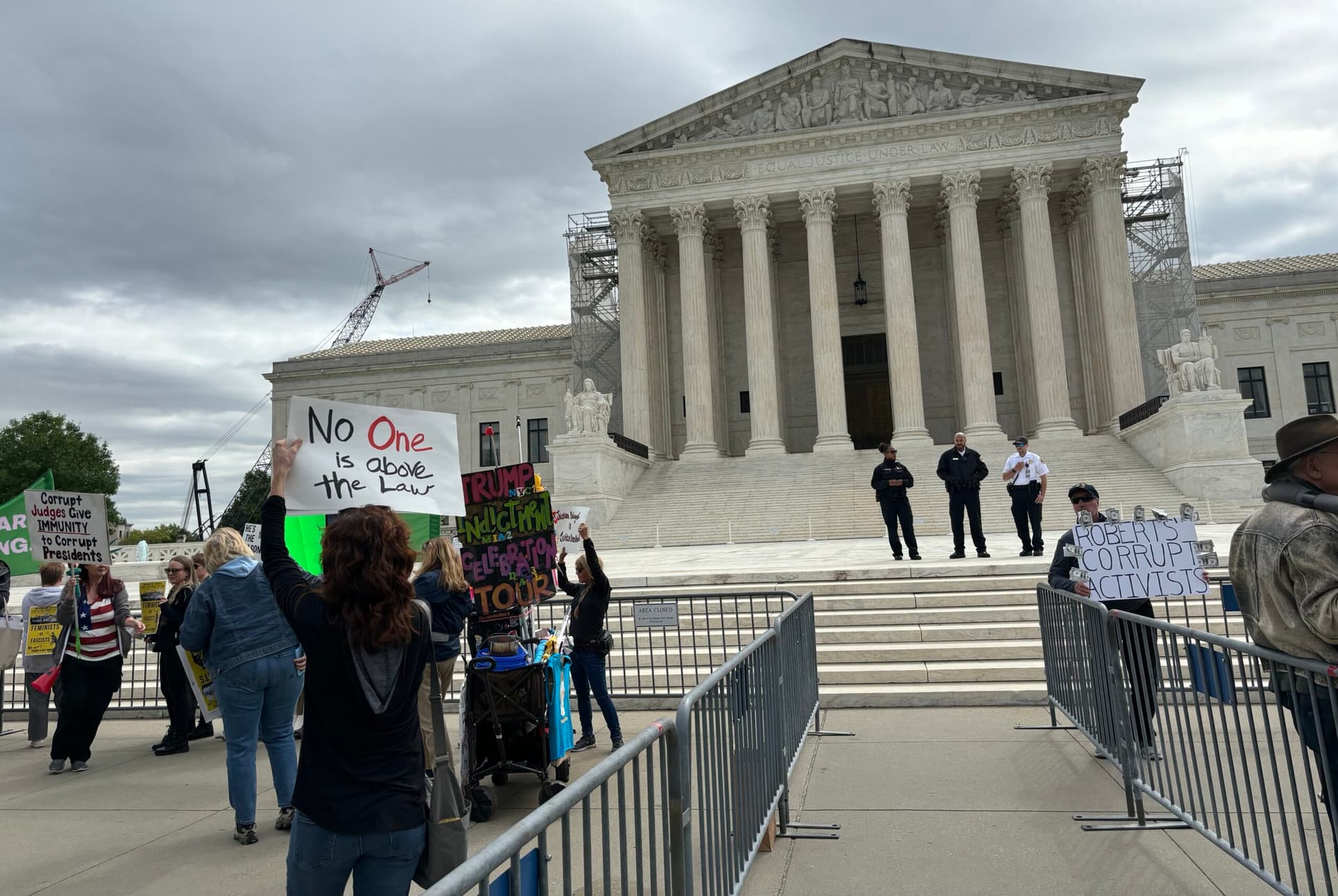
On December 6 the Supreme Court heard argument in a high profile challenge to Humphrey's Executor, a 1935 decision that limits presidential removal authority over officials of independent federal agencies. The appeal, urged by the Trump Justice Department, asked the court to discard the precedent and adopt a broader view of executive removal power. The court now sits with a six to three conservative majority, and observers said the justices asking the most probing questions appeared to be guided by originalist reasoning and a willingness to reassess whether older cases were correctly decided.
Legal scholars and practitioners interpreted the oral argument as part of a larger pattern. Conservative members of the court have repeatedly signaled that stare decisis will not be an absolute barrier when an earlier decision is viewed as improperly reasoned. That approach has already produced large scale legal change in recent years, and the Humphrey's Executor challenge could be the opening of another round of doctrinal revision across administrative law.
The stakes are concrete and immediate. If the court narrows or overturns Humphrey's Executor, presidents would likely gain greater control over heads of regulatory agencies. That could convert independent commissions into instruments of political direction, affecting rulemaking, enforcement, and adjudication in areas from financial oversight to environmental protection. Businesses and regulated industries would confront new uncertainty as governing standards shift with each administration. Investors and foreign partners could see American regulatory policy as less predictable, affecting cross border commerce and treaty implementation.
Beyond agency removal, lawyers on all sides are watching an array of petitions and pending cases that could invite further reversals. Challenges to longstanding campaign finance precedents, reexaminations of deference doctrines that have governed how courts treat agency interpretations of statutes, and separation of powers disputes are among the issues teed up for decision. The cumulative effect could be a substantial reordering of administrative law and constitutional doctrine.
Scholars caution that frequent departures from settled precedent carry costs for the legal system. Predictability and the rule of law depend on a measure of continuity, and repeated reversals can erode institutional legitimacy and encourage litigation as a primary engine of policy change. At the same time, proponents of the court's current approach argue that correcting longstanding errors restores constitutional fidelity and clarifies the scope of political power.
Internationally the prospective shifts matter because U.S. regulatory regimes anchor many global standards. Changes in how American agencies operate or how elections are financed are likely to be noted by trading partners, multinational corporations, and human rights observers. As the court considers these cases in coming months, lawmakers, businesses, and foreign governments will be tracking decisions that promise to reshape the American administrative state and reverberate well beyond the courthouse steps.