Surge in Drone Incidents Raises Safety Concerns for Seminole County
Last week aviation experts warned that a surge in hobby drones given as gifts was contributing to a rise in unauthorized flights across Florida, creating safety headaches for local authorities. The trend matters to Seminole County residents because untrained operators and unregistered aircraft complicate airspace safety near airports and busy attractions.
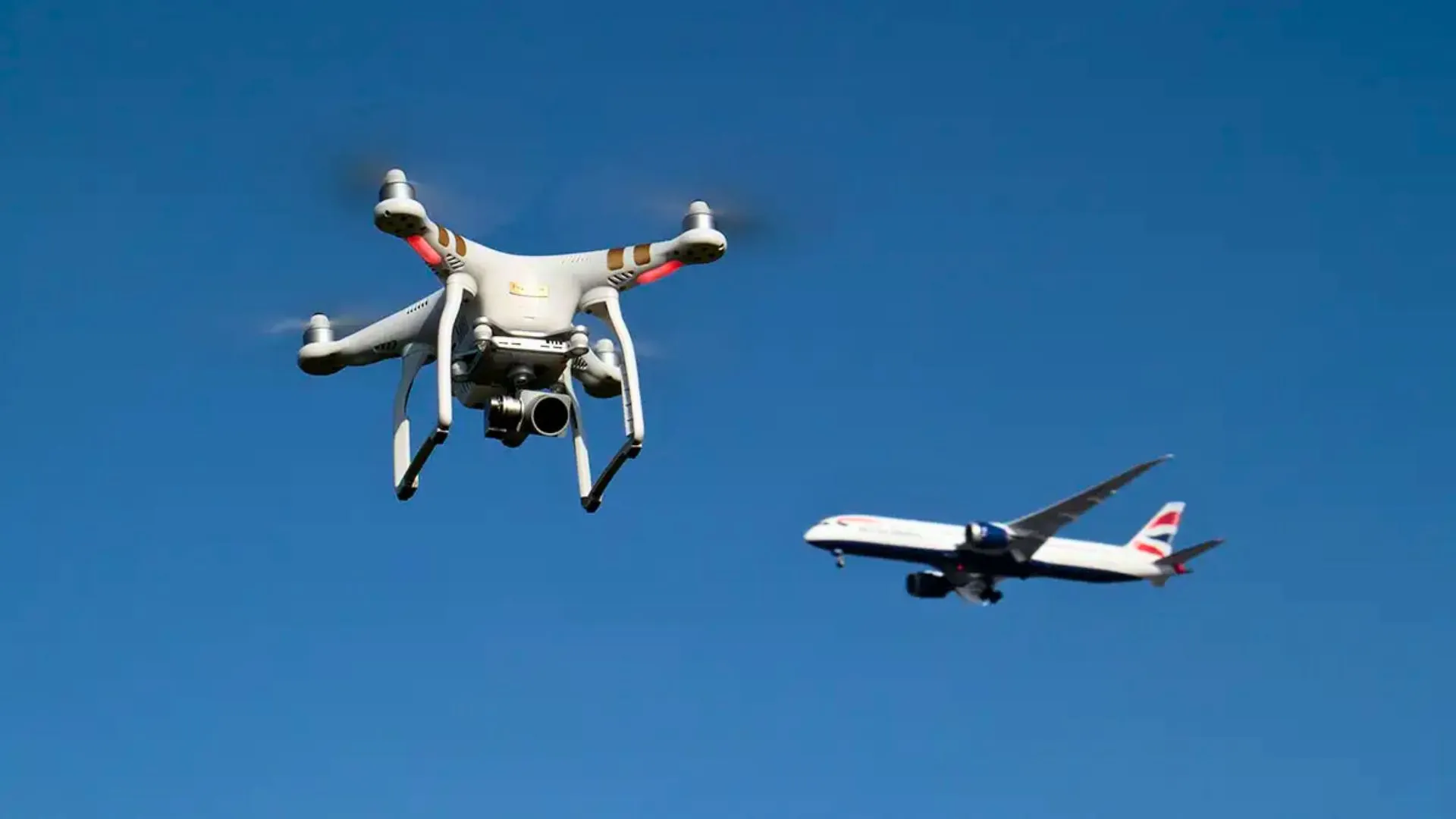
Aviation officials in Sanford raised alarms last week as incidents of unauthorized drone flights increased across Florida, including flights close to airports and major tourist attractions. The Federal Aviation Administration lists more than 822,000 registered drones in the United States, but experts estimate that many millions of hobby drones remain unregistered, a gap that makes airspace enforcement more difficult for local agencies.
Federal rules require recreational flyers to pass the FAA TRUST safety test before flying. Authorities say most violations occur because new owners do not understand those rules. Pilot and instructor Dan Schoneck warned, “They’ll buy the drone and think they are a toy. They’re not toys. These are tools.” Local law enforcement and aviation officials have responded to multiple incursions into restricted airspace this season, diverting resources to investigate and to prevent potential collisions with manned aircraft.
For Seminole County residents the issue is immediate. The county sits inside busy Central Florida air corridors and hosts airports and tourist routes that draw both commercial and general aviation traffic. Unauthorized drone flights near these facilities create safety risks and can lead to temporary ground holds, increased patrol activity, and restricted access around certain events. Visitors and residents alike can experience disruptions if authorities must intervene to secure airspace.
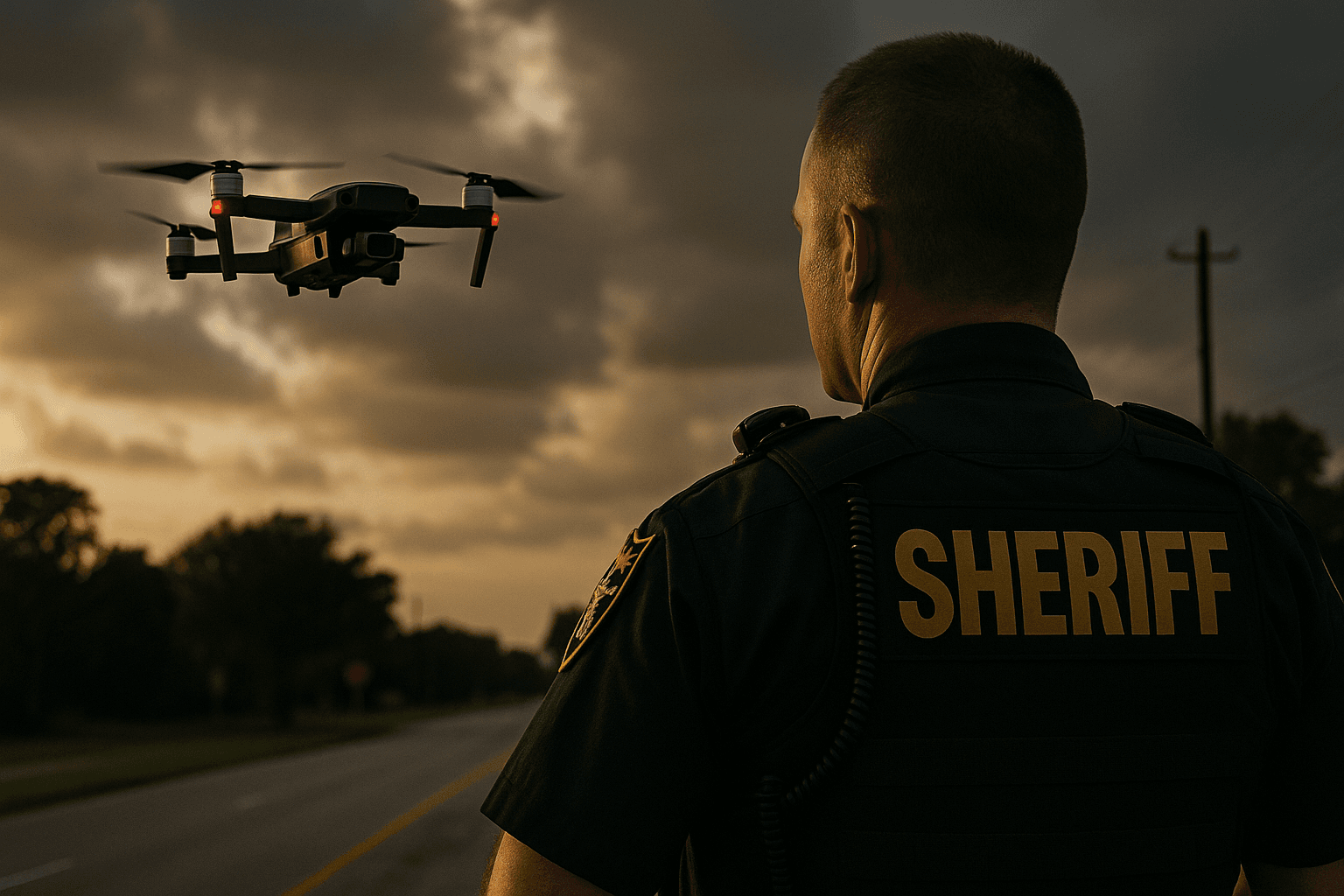
Officials advise anyone planning to buy a drone as a holiday gift to ensure the recipient understands federal and local rules, to register the aircraft if required, and to complete the TRUST test for recreational flying. Operators should also check for local no fly areas and temporary flight restrictions before taking off. Because many small hobby drones are not registered, determining ownership after an incident is often slow and difficult, which complicates enforcement and accountability.
As drone ownership grows during the holiday season, the responsibility to learn and follow safety rules falls to every operator. Seminole County agencies say compliance will reduce risks to manned aviation, ease the burden on public safety responders, and help keep community airspace safe for residents and visitors.
Sources:
Know something we missed? Have a correction or additional information?
Submit a Tip
