Taco Bell expands AI experiments and scales 2025 menu across stores
Taco Bell plans to scale several 2025 menu items and expand AI use behind the scenes, a shift that could reshape scheduling, staffing and store roles for crew and managers.

Taco Bell is moving beyond novelty AI drive-thru pilots and into quieter, operational uses that could reshape work at the store level. The brand plans to continue scaling several menu items introduced in 2025, and it has been experimenting with AI drive-thru setups in roughly 500 stores. Now the company is extending AI into online and mobile ordering, store-data analysis and employee scheduling.
Those behind-the-scenes deployments reflect a broader industry trend of using machine learning to manage logistics, loyalty and labor. For frontline workers, the most immediate change will likely be how shifts are created and adjusted. Automated scheduling and data-driven optimization can alter forecasting, shift patterns and staffing decisions that managers traditionally handled by gut and experience.
That shift has practical consequences. Stores may see schedules that react more quickly to demand spikes, potentially reducing overstaffing on slow periods and increasing coverage when systems predict rushes. At the same time, algorithmic scheduling can produce less predictable shift assignments, fewer guaranteed hours for some crew members and tighter enforcement of attendance rules if models penalize variability. Planning and logistics responsibilities could migrate from store managers toward centralized technology and operations teams, changing the day-to-day authority and autonomy of restaurant leaders.
For managers and crew, the rollout of AI-driven tools will raise immediate questions about transparency and accountability. When a schedule is produced by an algorithm, workers need clear explanations for how hours are allocated, what inputs affect forecasting and who can override the system. Training will also be essential: managers will need to interpret data outputs and make judgment calls when human context matters, and crew members will need to understand any new clock-in or shift swap procedures tied to digital systems.
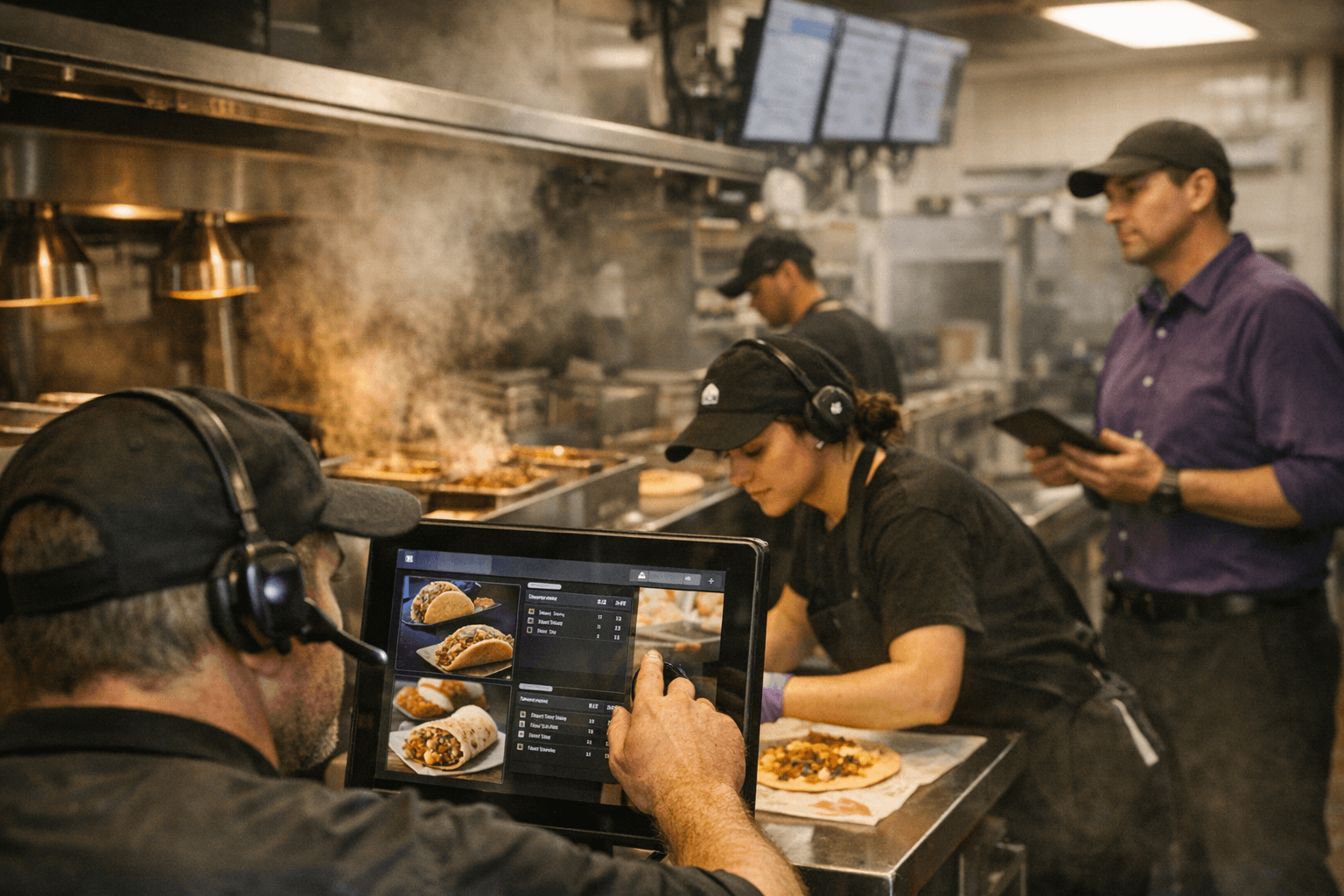
There are upside possibilities. Better demand forecasting can reduce last-minute call-outs, improve on-the-floor staffing, and cut wasted labor costs that squeeze pay and hours. AI that helps manage online orders can make prep work more predictable and improve flow through the drive-thru, easing pressure during peak windows. But those efficiency gains will be felt unevenly unless stores pair tech with clear policies on scheduling, dispute resolution and hours guarantees.
The takeaway? If you work at Taco Bell, expect more tech in the background and some scheduling changes at the front. Track your hours, ask managers how new systems affect schedule rules, and push for transparency on overrides and exceptions. Our two cents? Learn the quirks of any new system, document problems, and insist that human discretion stays in the loop when crew well-being is at stake.
Sources:
Know something we missed? Have a correction or additional information?
Submit a Tip