Taco Bell, KFC Workers Walk Out Over Dangerous Kitchen Heat
Workers at a combined Taco Bell and KFC franchise in San José walked out on June 12, 2024 to protest persistently high kitchen temperatures, an alleged gas smell, and cuts to scheduled hours. The action highlights how heat, equipment maintenance and scheduling decisions can create safety risks for frontline fast food staff and raise enforcement questions for regulators and franchise operators.
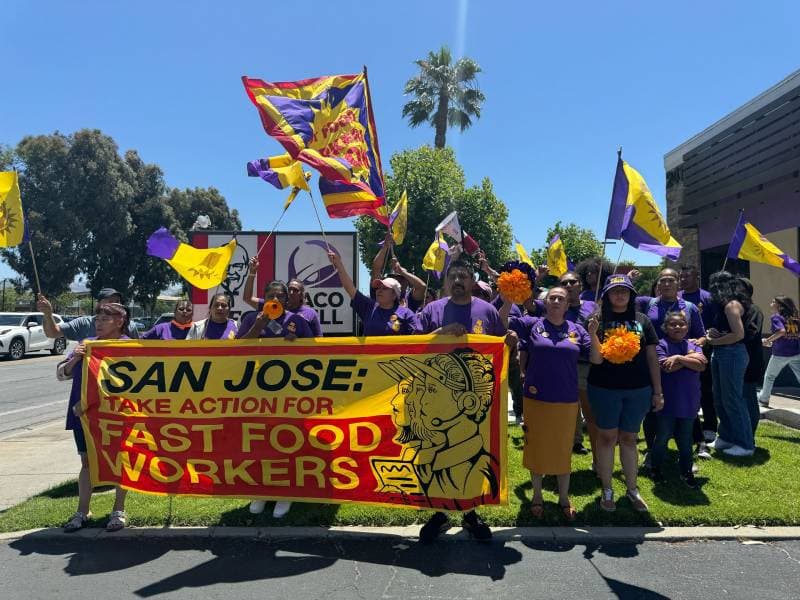
On June 12, 2024 employees at a joint Taco Bell and KFC franchise in San José staged a walkout after reporting unsafe conditions in the kitchen that they said included temperatures near 90 degrees Fahrenheit and a recurring smell of gas. Staff said those conditions, along with reduced scheduled hours, raised risk of heat illness and curtailed access to cooling breaks, prompting them to file complaints with Cal OSHA and press for repairs and stronger protections against heat related harm.
Organizers described the walkout as part of broader worker driven efforts to pressure franchise management to address immediate hazards and systemic issues in fast food workplaces. The complaints asked for equipment repairs, guaranteed cooling breaks and formal protections against heat illness. Workers cited an uneven work schedule that both increased exposure during the hottest shifts and limited their ability to take breaks or recover from heat stress.
The franchisee and Taco Bell each issued public statements responding to the action and to the reported conditions. Regulators referenced in the filings include Cal OSHA and the state Occupational Safety and Health Standards Board, which has been considering indoor heat protections at the state level. The regulatory attention underscores that the dispute touches not only a single outlet but wider debates about whether and how to regulate indoor heat in commercial kitchens.
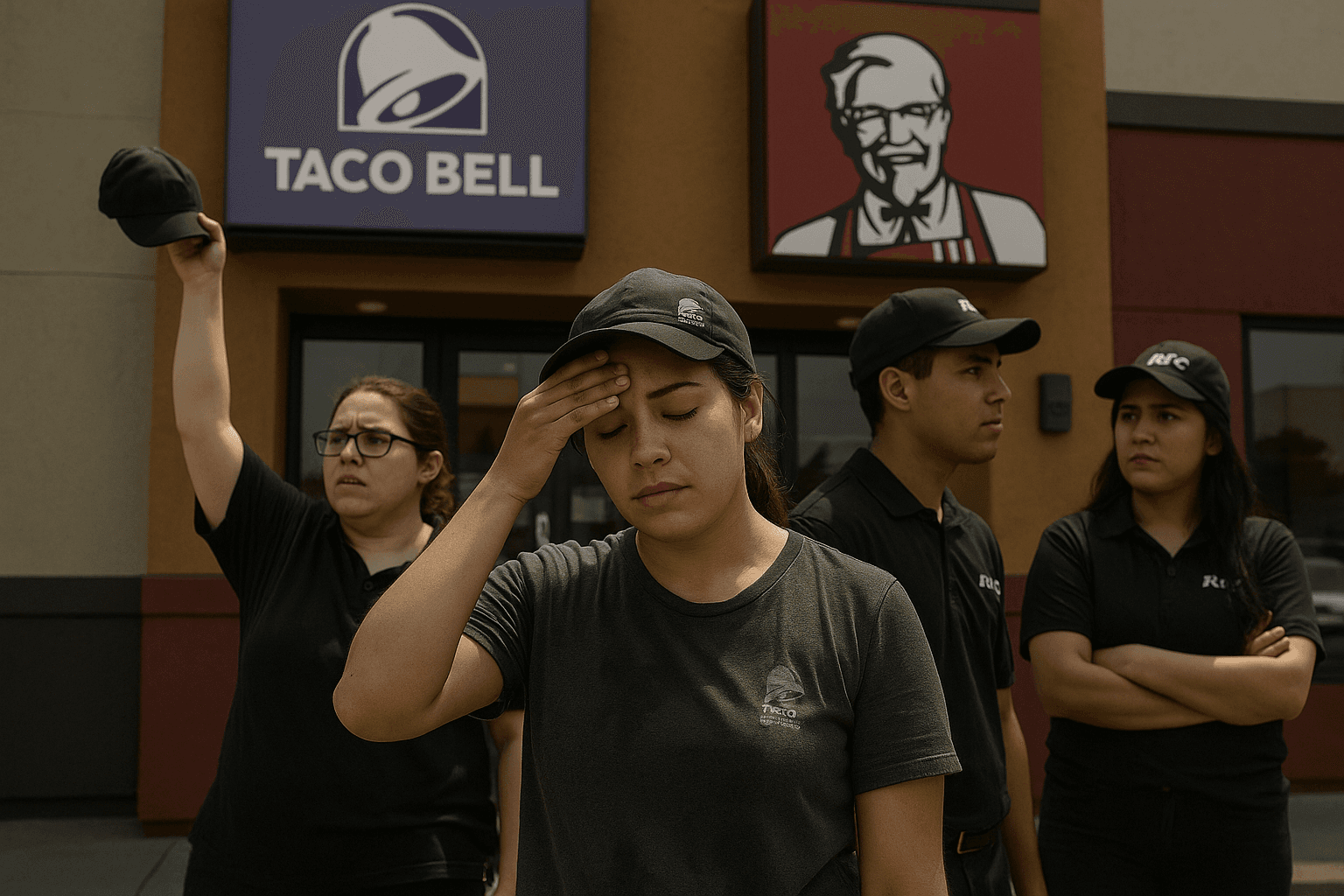
For employees the immediate impact included lost time on the job, uncertainty over scheduling and worry about physical safety in the workplace. For franchise operators the incident illustrates reputational and compliance risk that can arise quickly when equipment maintenance, ventilation and scheduling practices are not aligned with worker safety needs. For Taco Bell as a brand the situation highlights the tension that can exist between corporate standards, franchisee autonomy and on the ground workplace conditions.
The San José walkout serves as a case study for restaurants and regulators alike about how heat hazards can trigger collective action, prompt Cal OSHA involvement and accelerate conversations about workplace safety planning and risk oversight in franchise settings.