Taiwan Exports Surge, Led by AI Chip Demand and U.S. Boom
Taiwan’s November exports jump 56 percent year on year to 64.05 billion dollars, marking the fastest growth since May 2010 and extending a 25 month streak of rising shipments. The surge, driven by semiconductors and AI related equipment with exports to the United States up more than 180 percent, reshapes near term trade dynamics while exposing risks from geopolitics and tariffs.
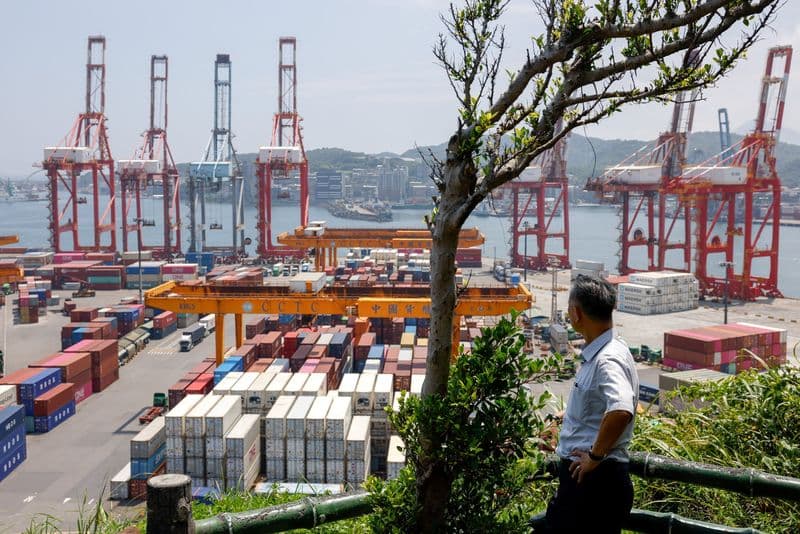
Taiwan’s exports soared in November, rising 56 percent year on year to 64.05 billion dollars, the finance ministry reports, the fastest pace of growth in more than 15 and a half years. The jump extends a consecutive monthly run of export growth to 25 months and prompted the ministry to raise its export outlook for the year, underscoring how global demand for semiconductors and AI related equipment is reviving the island’s trade engine.
Reuters coverage attributed the strength to booming orders for chips and supporting electronic components, and singled out an exceptionally large jump in shipments to the United States, which rose by more than 180 percent compared with a year earlier. The pattern highlights two concurrent forces shaping trade flows. First, a wave of investments in artificial intelligence and data center capacity is accelerating demand for advanced processors, memory and specialized packaging. Second, stronger U.S. demand reflects intensified procurement by cloud providers and hyperscalers as they race to deploy next generation AI systems ahead of year end ordering cycles.
For Taiwan, which hosts a dense ecosystem of foundries, test and packaging firms and component makers, the surge translates into outsized gains in export receipts and trade surplus strength. Statistical momentum is now concentrated in high value semiconductors, a sector that has long been central to the island’s economic profile. The November result is a striking reversal from the cyclical downturns that afflicted global chip markets in recent years and signals that Taiwan is once again at the center of technology supply chains.
Markets and policymakers will watch whether the strength persists into 2026. The finance ministry notes upside risks from geopolitics and tariffs, a caution that captures how trade policy and cross strait tensions could quickly alter flows. Elevated reliance on a single sector raises exposure to shocks, from export controls to sudden shifts in capital expenditure by major cloud customers. For the global economy, surging Taiwan exports imply tighter supply in certain advanced semiconductors and heightened bargaining power for suppliers in pricing negotiations.

Longer term, sustained AI driven demand could accelerate structural upgrades in Taiwan’s industrial base, pushing more investment into advanced nodes, packaging and research and development. That would reinforce the island’s role in the high end of global technology supply chains, while complicating efforts by other economies to diversify sources of critical chips. Policymakers in Taipei and in partner markets face a balancing act, leveraging the near term windfall to deepen domestic capacity and resilience, while managing geopolitical frictions that could erode those gains.
As ordering cycles for data center and AI systems come to a close for the year, attention will turn to December trade data and early 2026 capex plans from major chip buyers to determine whether November’s surge marks a durable turning point or a short lived concentration of demand.

%2Fcloudfront-us-east-2.images.arcpublishing.com%2Freuters%2FH7UAM7SDIZONBHJOIIBY6T4DZM.jpg&w=1920&q=75)