Target Secures Protective Order in Active New York Personal Injury Lawsuit
Court filings show a magistrate judge granted Target a protective order on December 6, 2025 in Nigoghossian v. Target Corporation, a case that remains active with discovery deadlines in early December. The order and current docket activity matter to employees because they signal that nonpublic materials may be shielded during discovery, which can affect transparency around workplace incidents and vendor oversight.
A federal magistrate judge issued an order on December 6, 2025 granting Target Corporation a Motion for Protective Order in Nigoghossian v. Target Corporation, a personal injury related lawsuit pending in the U.S. District Court for the Eastern District of New York. The case docket shows active filings in the first week of December as parties move through early discovery, and a Rule 26(a) initial disclosure deadline was set for December 10, 2025.
The underlying complaint, as reflected on the docket, alleges personal injury claims tied to Target and a security vendor, Securitas Electronic Security, Inc. Earlier entries in the case include motions for extensions of time for discovery and procedural status updates, indicating the parties are negotiating the scope and timing of document production and disclosures. The protective order granted by the court creates a formal mechanism to designate certain discovery materials as confidential and place them under court protection.
For Target employees and contractors, the protective order has several practical implications. Materials that courts commonly protect in such orders include incident reports, witness statements, personnel records, internal safety assessments, and security footage. When those materials are subject to protective status, their distribution outside the litigation is restricted, which can delay or limit public and internal transparency about the events underlying the lawsuit. Workers seeking immediate answers about safety practices or vendor conduct may not see full investigative documents until the litigation concludes or the court allows disclosure.
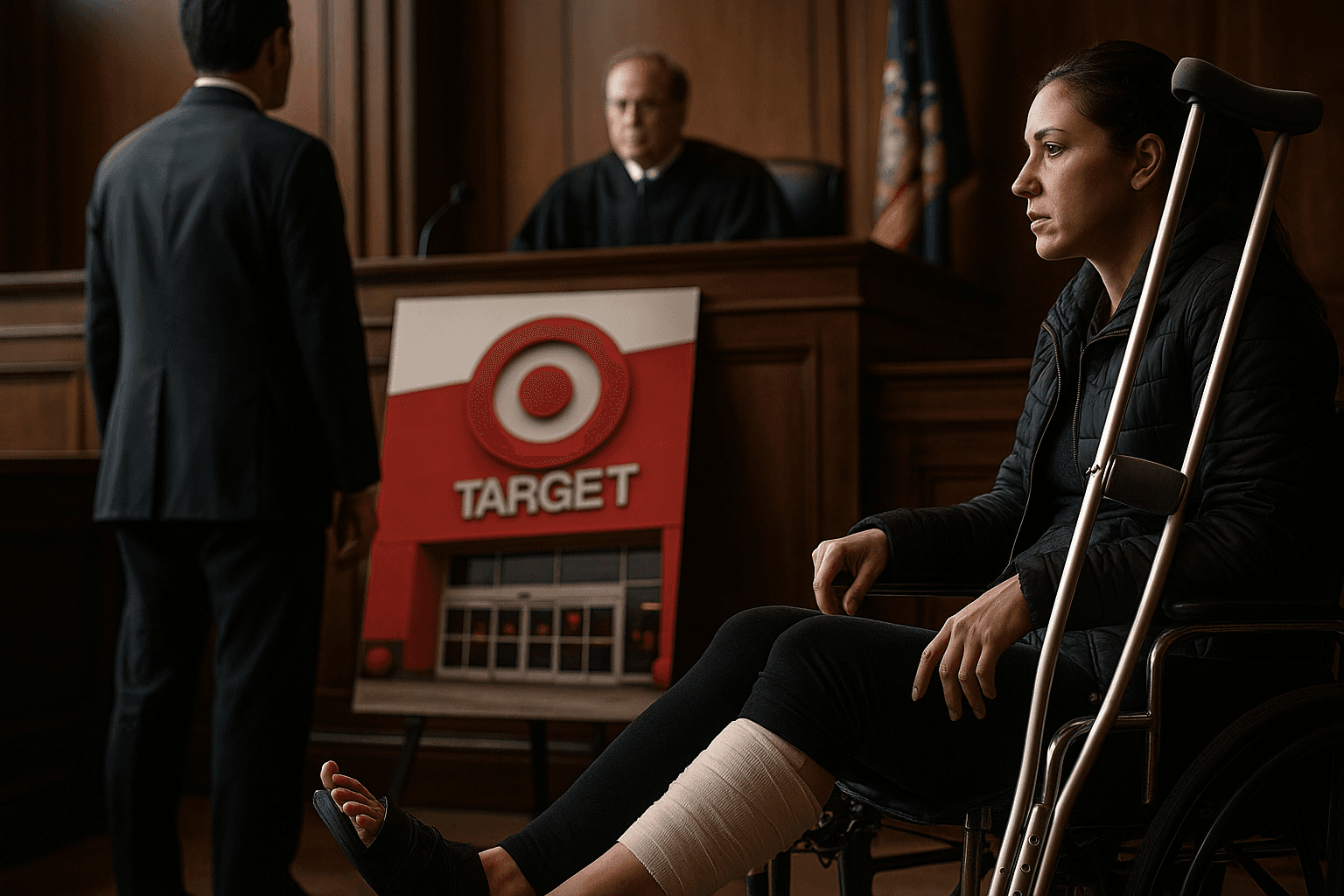
The involvement of a third party security vendor highlights another workplace angle, because many large retailers rely on contracted security firms for loss prevention and store safety. Litigation that centers on both the employer and a vendor can raise questions about accountability, training, and contract oversight that matter to frontline employees and managers alike.
With the Rule 26(a) disclosure deadline arriving on December 10, 2025, the case is poised to move into the next phase of discovery. That could include document exchanges and potential depositions, subject to the terms of the protective order. Employees and employee representatives monitoring the case should expect continued docket activity and limited access to confidential materials while the court enforces protections.
Sources:
Know something we missed? Have a correction or additional information?
Submit a Tip