Teachers Union Holds Trainings on Immigration Enforcement Near Schools
The Oregon Education Association announced a weekend series of trainings to prepare school staff, families and community members to respond to immigration enforcement near schools, with a session scheduled at the University of Oregon in Eugene on Saturday, December 6. The sessions aim to teach legal rights, contingency planning and how to support students whose family members may be detained, a development that matters to Lane County families and school districts coping with increased enforcement activity.
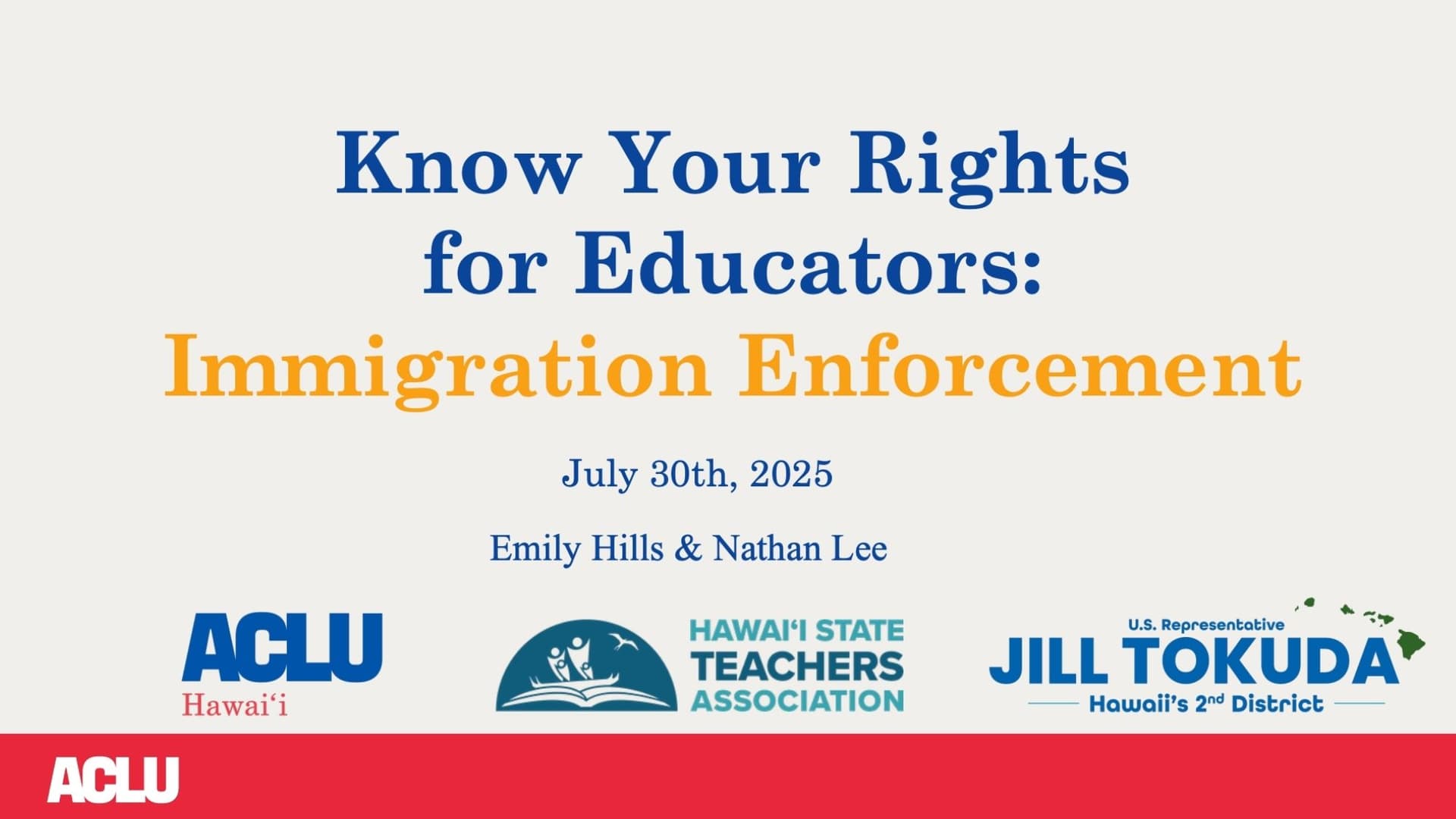
The Oregon Education Association, the state s largest teachers union, announced on December 4 that it organized three training sessions this weekend for school personnel, parents and community partners to respond to immigration enforcement activity near schools. The sessions were scheduled for December 5 in Oregon City, December 6 at the University of Oregon in Eugene from 10 a.m. to 2 p.m., and December 7 in Bend, and each training will run three to four hours.
Organizers said the trainings were prompted by a reported increase in Immigration and Customs Enforcement activity around schools and recent incidents around the state, and the events bring together partners including the League of United Latin American Citizens and the Oregon for All Network. Attendees can expect instruction on legal rights when enforcement agents are present, how to prepare contingency plans for students and staff, and how to connect families with legal and social service resources if a family member is detained or deported.
For Lane County, the Eugene session represents a local effort to reduce disruption in classrooms and to address possible declines in attendance and concentration when families fear enforcement actions. Schools in the region already face budget pressure from enrollment shifts and expanding mental health needs, and sudden enforcement events can amplify those pressures by increasing demand for counseling services and legal support. Training school staff in rights and contingency planning is intended to limit classroom interruptions and shorten the time districts spend reacting to individual incidents.

Beyond immediate classroom effects, the trainings reflect broader policy tensions between federal immigration enforcement and local education priorities. School districts must balance legal obligations, student safety and trust with limited resources. Building local capacity through trainings may reduce emergency spending on outside legal counsel and social services, and help preserve educational continuity for affected students.
The OEA s weekend sessions are part of a larger effort to equip communities with practical steps to protect student well being and to navigate enforcement events. Families and school staff who attend will gain concrete procedures to implement before, during and after an enforcement incident, and local officials say the goal is to keep students safe, limit disruption and connect families to known legal resources.