Three Arrested After Public Sex in Keys Grocery Parking Lot
Three people were arrested on December 2 after deputies found them engaged in sexual acts in the parking lot of a Winn Dixie in Monroe County, the Sheriff’s Office reported. The incident underscores local concerns about public safety, public intoxication, and the strain such events place on businesses and law enforcement.
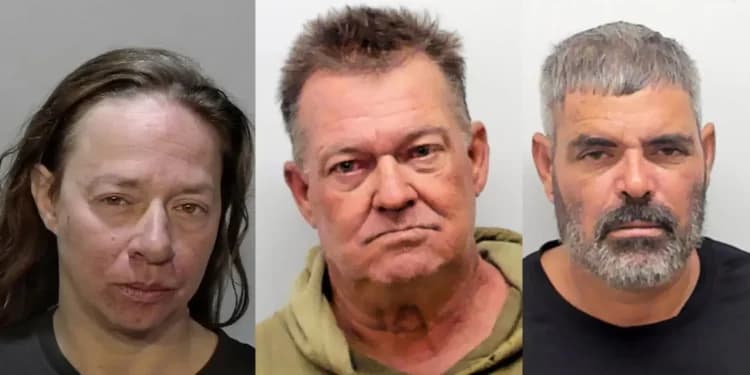
Deputies responded around noon on December 2 to a Winn Dixie parking lot in Monroe County and arrested three adults after finding them engaged in sexual behavior in public. The Monroe County Sheriff’s Office said the three "were engaged in sexual acts and were heavily intoxicated," leading to multiple criminal charges.
Authorities identified the suspects as Sharon Helen Czaplinsky, 45, of Marathon; Marshall Adam Lowery, 43, of Key Largo; and Michael McDonald Howard, 59, of Marathon. Czaplinsky was charged with unlawful exposure of sexual organs, disorderly intoxication and resisting without violence. Deputies noted this was her second arrest for a similar public incident within the past three months. Lowery was charged with committing unnatural and lascivious acts and disorderly intoxication. Howard was charged with unlawful exposure of sexual organs and disorderly intoxication.
The Sheriff’s Office did not disclose the exact Winn Dixie location. For residents and visitors, the lack of a precise location can raise concerns about safety near grocery stores and other public commercial spaces that attract families and tourists. Incidents of public sexual behavior and intoxication can affect consumer perceptions of local shopping areas, potentially reducing foot traffic and complicating business operations for affected stores.
Beyond immediate criminal enforcement, the episode highlights broader local issues. Public intoxication and disorderly conduct require time and resources from deputies and create disruptions for customers and employees. Repeat offenses in public spaces point to challenges related to substance use, mental health and access to support services. Policy responses range from increased targeted patrols in commercial corridors to bolstered outreach and treatment alternatives, each with budgetary and operational implications for county agencies.
Legal proceedings in these cases will move through the county criminal justice system. In the near term residents can expect attention from law enforcement around high traffic retail areas, and community leaders may weigh enforcement and social service approaches to reduce similar incidents going forward.