Todd Combs Exits Berkshire, Abel Unveils Executive Team Plan
Berkshire Hathaway announced senior leadership changes as Greg Abel prepares to assume the chief executive role in January, a move that reshapes the companys investment and corporate management lines. Todd Combs is leaving to join JPMorgan in a $10 billion initiative, and long serving CFO Mac Hamburg is retiring after four decades, developments that raise questions about the companys investment bench and governance under Abel.
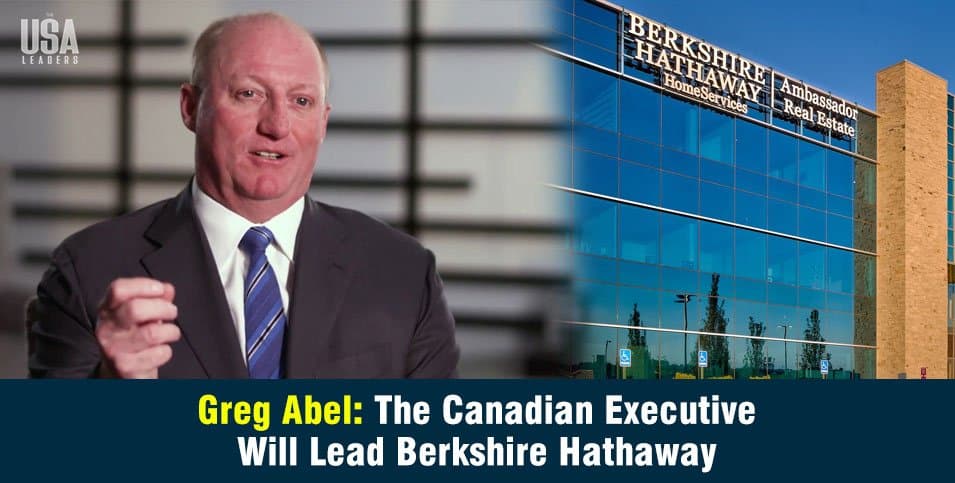
Berkshire Hathaway confirmed on December 8 that Todd Combs, one of the conglomerates two primary investment managers and the longtime head of GEICO, would depart to join JPMorgan as a special advisor on a new $10 billion investment initiative led by Jamie Dimon. The company also announced that Chief Financial Officer Mac Hamburg would retire after roughly forty years with Berkshire, part of a wider organizational redesign that incoming chief executive Greg Abel has set in motion ahead of his formal start in January.
The departures mark the most consequential leadership turnover since Warren Buffett named Abel his successor. Combs departure removes a central figure from Berkshire's investment apparatus, and Hamburgs retirement creates a vacancy at the heart of the conglomerates financial oversight. Berkshire said Abel will create new executive roles, including a general counsel and a manager for retail and consumer operations, and that further leadership decisions will be announced in the coming weeks.
The personnel changes have immediate governance and capital allocation implications. Combs was widely seen as part of the small group responsible for managing Berkshire's significant public equity portfolio and deploying insurance float through large equity stakes. His move to JPMorgan, which the company described as an advisory role for the bank's new $10 billion effort, shifts a key talent to a major rival in active capital deployment and could influence where large pools of institutional investment experience are concentrated in the market.
Berkshire's remaining investment leadership now includes Ajit Jain, Ted Weschler and others whose roles and responsibilities will be clarified under Abel's direction. Investors will watch closely how Abel balances the longstanding Berkshire model of broad autonomy for unit chiefs with a more centralized strategic approach. The companys holdings span insurance, utilities, rail, manufacturing and retail businesses, and each sector carries different capital intensity and return profiles that demand both local operating judgment and disciplined corporate capital allocation.
Mac Hamburg's retirement also invites scrutiny of Berkshire's financial stewardship as it enters a new era. CFO transitions at conglomerates can affect everything from tax strategy to debt issuance and regulatory reporting. Abel's creation of a general counsel role signals attention to legal and regulatory complexity as Berkshire's operations and investment footprint evolve.
Market analysts said the move underscores broader trends in corporate America. Large conglomerates are confronting succession challenges as founder era executives relinquish control, and capital is increasingly mobilized by a smaller number of institutions that recruit seasoned asset managers. For Berkshire, the immediate question is depth of bench strength in its investment team and the degree to which Abel will centralize decision making to manage capital across diverse businesses.
As January approaches, shareholders and the market will watch for the next slate of appointments and the operational boundaries Abel sets between corporate oversight and the autonomy of Berkshire's operating chiefs. The decisions will shape capital allocation, risk controls and ultimately investor returns at one of the worlds largest and most closely watched conglomerates.