Topper Site in Martin Raises Preservation and Policy Questions for Allendale
The Topper Site near Martin remains one of Allendale County's most significant archaeological locations, with excavations producing artifacts some researchers argue predate the Clovis culture. Because the site sits on private land and is not a public park, decisions about access, preservation, and local engagement are now matters of county policy and community interest.

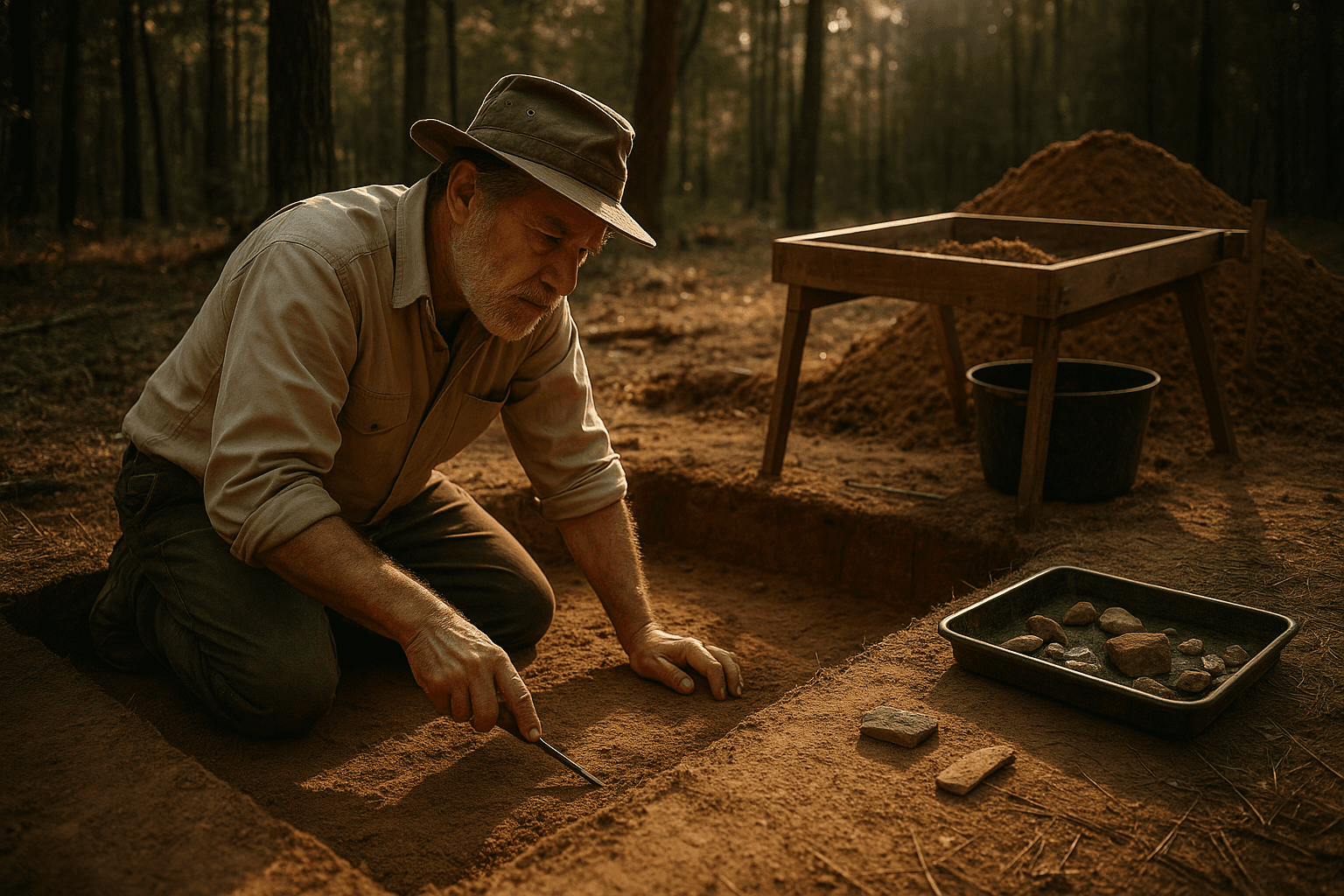
The Topper Site, set within the agricultural and timbering landscape around Martin, has long been central to debates about early human activity in North America. Excavations on private land have produced artifacts that some researchers argue predate the Clovis culture, a finding that elevates the site from local curiosity to national scientific importance. That significance has driven repeated fieldwork by university affiliated teams, including long standing involvement by the University of South Carolina, and has made the site a frequent subject in regional heritage and education efforts.
The site is not a developed public park. There are no standard visitor amenities, and access requires coordination with landowners and research organizations. This arrangement preserves property rights while allowing controlled study, but it also creates tensions over transparency, public access, and long term stewardship. For residents, the Topper Site presents both opportunity and complication. The county could see limited heritage related economic activity, and local schools and museums already use the site as an educational touchstone. At the same time the site demands careful protection against looting, unregulated visitation, and development pressures that are common in agricultural and timber districts.
Local governance choices will shape how Allendale benefits from the Topper Site. County leaders and institutional partners must weigh tools such as conservation easements, voluntary stewardship agreements, formal memoranda of understanding with universities, and targeted public funding for site monitoring and interpretation. Each option carries trade offs between private property rights, fiscal cost, and public interest in cultural heritage. Transparent public processes and civic engagement are essential to avoid unilateral decisions that could provoke conflict at the county level.
Practical steps available now include strengthening cooperative agreements with research institutions, expanding educational partnerships with schools and local museums, and creating clear protocols for visitor access that protect the resource. Residents and community organizations can press for oversight and for county level planning that integrates the Topper Site into broader rural land use and economic development strategies. How Allendale chooses to manage the Topper Site will test the county's ability to balance private land stewardship with stewardship of a site that carries significance well beyond its borders.