Trainer Rudy Rodriguez cleared to resume training under oversight
Trainer Rudy Rodriguez's provisional suspension ended under an agreed order allowing him to return to training under monitoring. The agreement imposes care, reporting and oversight requirements to protect horses.
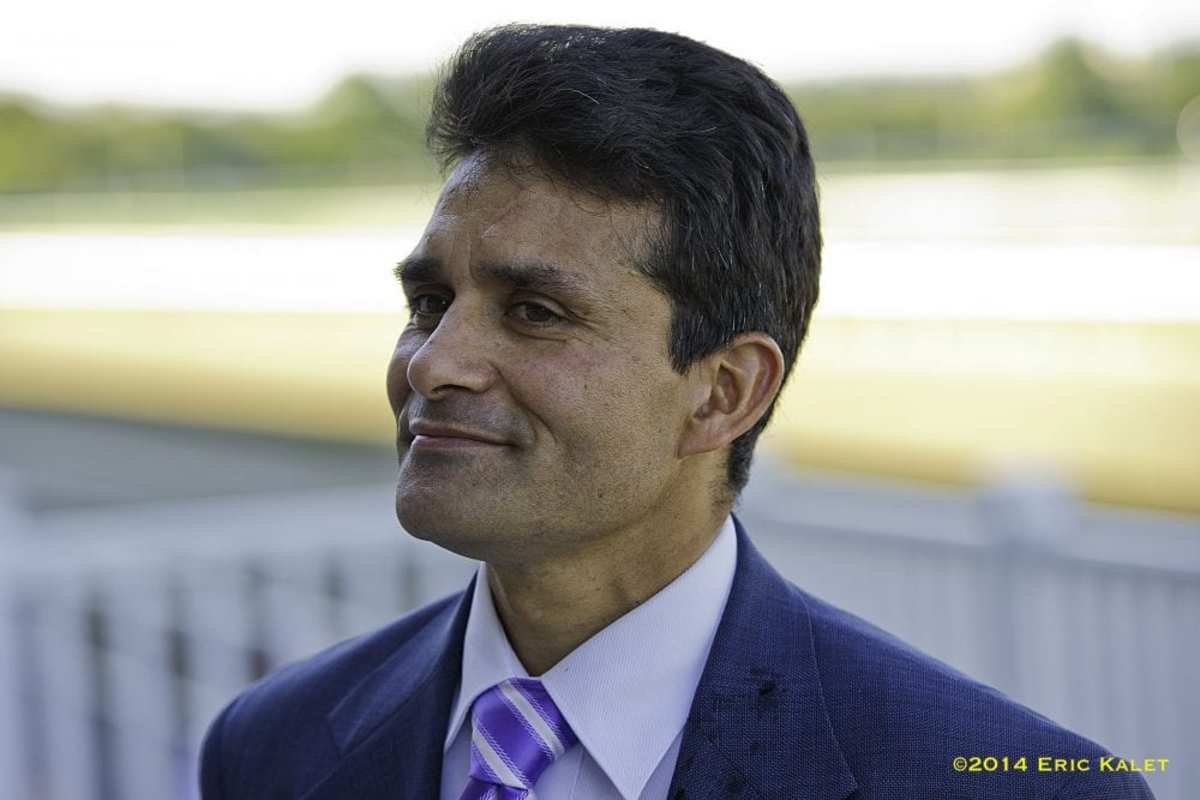
Rudy Rodriguez, a New York Racing Association-based trainer, was allowed to resume training after reaching an agreed order with the Horseracing Integrity and Safety Authority that ends a provisional suspension that had been in place since mid-December. The resolution lifts the immediate ban and sets a framework of remedial measures, monitoring and veterinary oversight intended to safeguard equine welfare.
HISA had alleged breaches tied to the care of horses in Rodriguez’s stable, including findings that 16 horses were placed on the Veterinarian’s List without adequate diagnostic follow-up. A hearing officer previously identified those care deficiencies, and the agreed order is designed to address those gaps while permitting Rodriguez to return to operations under strict conditions.
Under the terms, Rodriguez’s provisional suspension was ended the day after the agreement was announced, allowing him to resume normal stable activity. He agreed to a $10,000 donation to a thoroughbred aftercare organization or similar nonprofit as part of the remedial measures. An additional six-month suspension was imposed but stayed, meaning it will remain dormant as long as Rodriguez complies with the agreement during a one-year monitoring period; failure to meet the conditions would make the suspended term active.
The order requires clearer and faster veterinary response when horses show problems. Specifically, any horse in Rodriguez’s care placed on the Veterinarian’s List for unsoundness, injury or epistaxis must receive a complete evaluation by the attending veterinarian within 48 hours. To bolster independent oversight, Dr. Donald Baker was granted unrestricted access, with reasonable notice, to Rodriguez’s barn and training facilities to review care protocols and records.

This outcome balances immediate accountability with a path back to work. Trainers regain the ability to manage and condition horses, but they do so under heightened scrutiny and with explicit operational changes designed to prevent repeat issues. For owners, grooms and backstretch staff, the order clarifies expectations for documentation and veterinary follow-up and signals that lapses in diagnostic care can trigger disciplinary terms and outside oversight.
Practical steps for connections: verify that any Veterinarian’s List placement is accompanied by timely attending-veterinarian documentation and routine follow-through, and ensure aftercare commitments are transparent in any stable transition. The monitoring year will be a test of whether these procedural changes translate into better on-track welfare and fewer regulatory interventions.
What comes next is straightforward: Rodriguez returns to training under conditions that place horse health front and center, and the industry will watch whether the one-year monitoring period and the stayed suspension provide effective motivation for lasting improvement.
Sources:
Know something we missed? Have a correction or additional information?
Submit a Tip