Traverse City, Garfield Township Explore Shared Boardman Lake Plan
Traverse City officials are considering a joint subarea master plan with Garfield Township and Grand Traverse County to guide growth and conservation around the Boardman Lake Loop, and are also weighing new tax incentives to spur more affordable housing. Both initiatives could shape future development, protect water quality, and expand housing options for local residents.
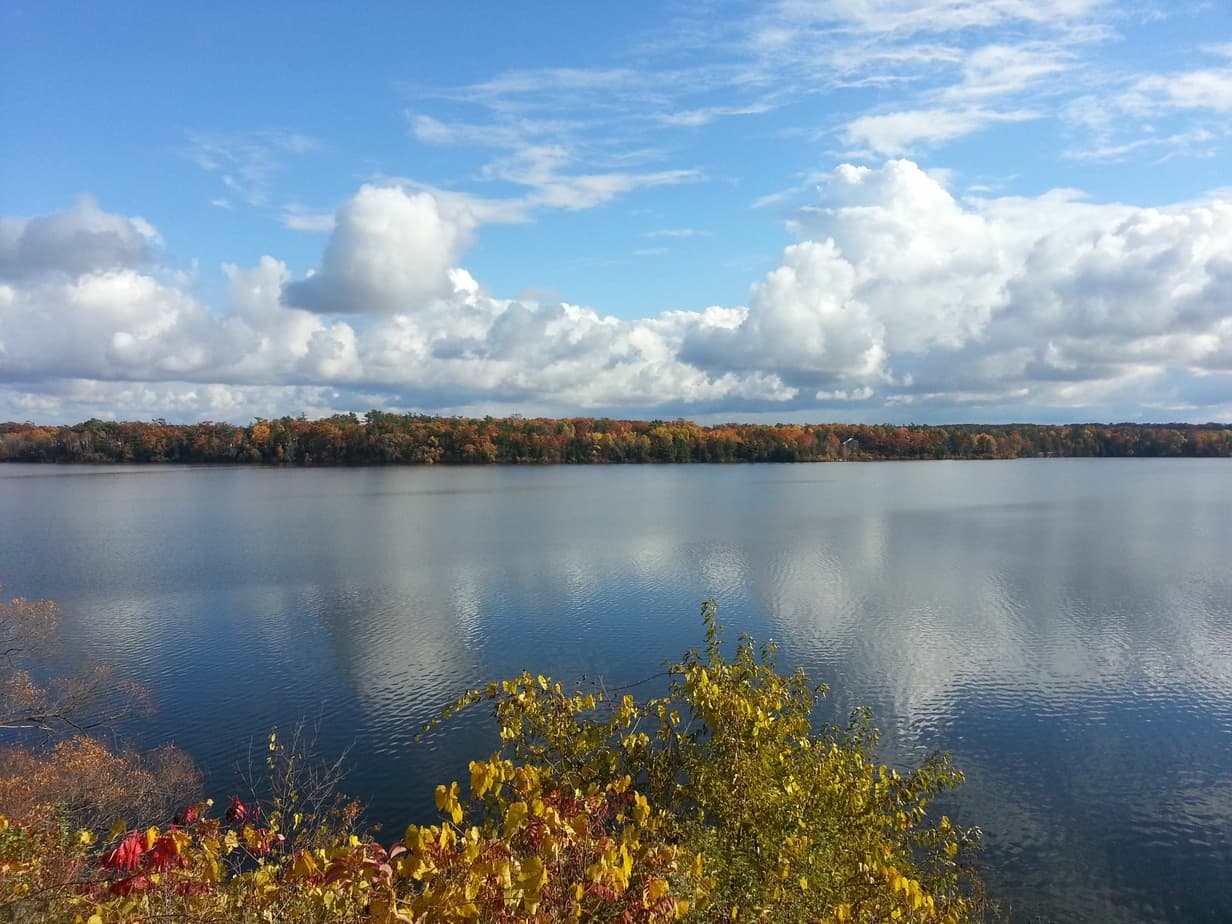
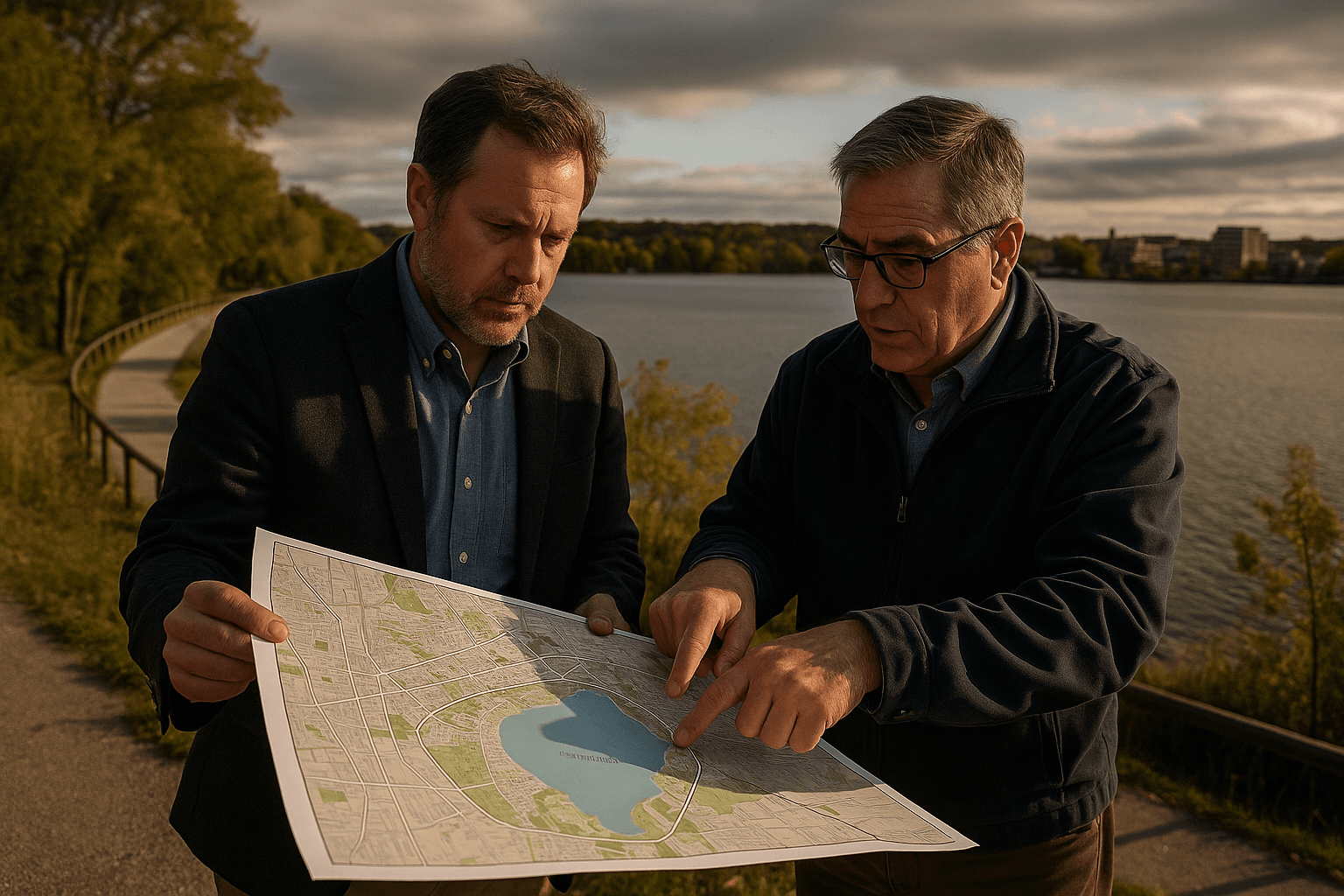
Traverse City planners this week opened discussions on a coordinated approach to the Boardman Lake Loop, proposing a subarea master plan developed with Garfield Township and Grand Traverse County. The move follows completion of the Boardman Lake Loop Trail and a rise in development interest around the lake, which City Planning Director Shawn Winter said has produced a "lot of land use pressure occurring."
Officials say the timing aligns with major projects and parcel changes around the lake, including the Mill District coming online on Woodmere Avenue and potential new uses or owners for properties such as Logan’s Landing and NMC’s Boardman Lake Campus. Winter urged partners to act now, writing "This is a pivotal moment for the city, township, and county to come together proactively to shape a shared vision for the area, rather than responding piecemeal to individual projects." He added that "A subarea master plan offers the chance to align local governments and the community around a cohesive framework that balances growth, conservation, mobility, and experience to strengthen it as a valued destination and experience in our community."
The proposed plan would address cross jurisdictional concerns that single municipalities cannot manage alone, beginning with environmental stewardship to "protect water quality, wetlands, and sensitive natural areas." Planners also envision attention to neighborhood and housing needs, youth and family wellness amenities, mobility and connectivity, community engagement, and art and placemaking. The plan could "leverage the loop as a destination through improved wayfinding, public spaces, creative installations, and encouraging uses at specific junctions" and aim to create a "family friendly experience that integrates opportunities for food, recreation, play, and learning."
City staff proposed a leadership team of city, township, and county representatives working with a professional consultant to lead community engagement. The project is not currently funded in the city budget but could be placed in the next cycle and officials are exploring grant opportunities. More discussion will occur among boards to secure agreements and possible joint adoption into local master plans.
Separately, Traverse City is examining new state statutes that allow tax exemptions for property owners who rent to income qualified tenants. City Attorney Lauren Trible Laucht noted both programs "offer a 50 percent reduction in property taxes for up to 12 years for qualifying properties, helping to increase housing options for individuals and families earning up to 120 percent of the area median income." The city must establish districts for the incentives, with staff suggesting the AHFA program be applied to R1a and R1b neighborhoods to encourage "gentle infill," while the RHFA would cover other multifamily districts. Winter emphasized the incentives "do not change the allowable land uses in the districts, but rather, they allow for a reduction in property taxes if rented at prescribed income limited rents."
Residents can expect further public discussion at the city commission study session Monday at 7 pm and in upcoming planning meetings as officials refine both the lake loop proposal and the housing incentive districts.