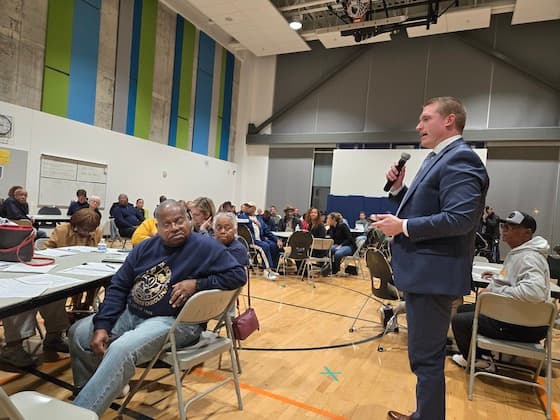
Triangle Schools Close, Shift To Remote Learning Ahead Of Cold Snap
On December 8, several Triangle school districts, including Wake County Public Schools, closed schools or shifted to remote learning as a brief wintry system moved through the area. The decisions prioritized safety, but underscored persistent inequities in home internet access, device availability, and family supports that affect students and working families across Wake County.
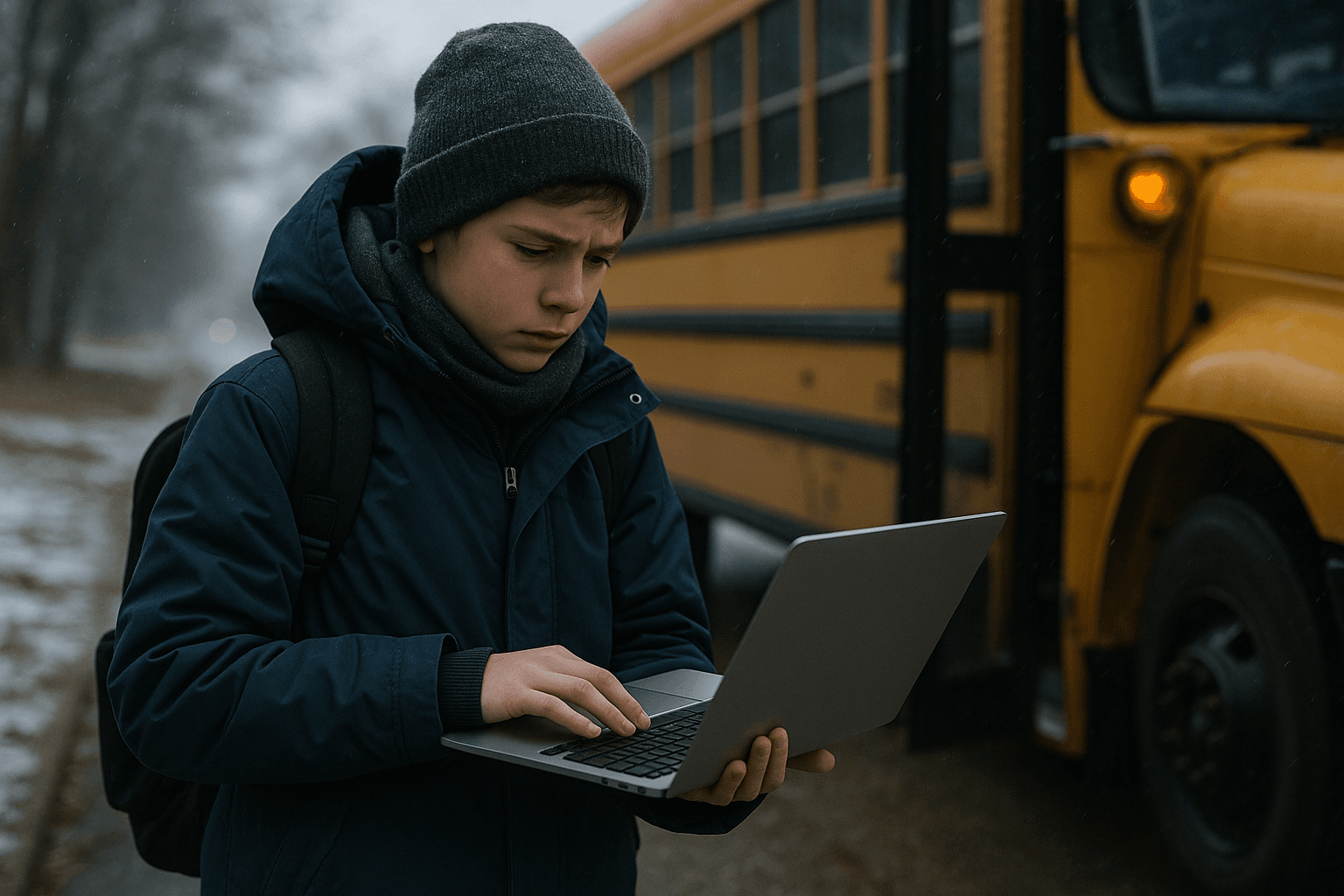
School officials in Wake County and neighboring districts moved on December 8 to close buildings or shift to remote learning as a cold snap and chance of wintry precipitation threatened roads and outdoor conditions. District leaders said safety and the ability to transport students safely were primary concerns, and the actions reflected an effort to avoid the kind of emergency that left thousands of Wake students stranded in 2005. That history has shaped current procedures for weather related decisions, with administrators balancing risks to safety against lost instructional time.
The shift to remote instruction exposed logistical challenges for families and staff. Many households lack reliable high speed internet or have limited devices for children to share, making full participation difficult. Special education services, meal programs, and other school based supports do not translate automatically to a remote day, placing additional strain on families who rely on schools for food, supervision, and therapy. Parents and guardians in Wake County reported scrambling for childcare, rearranging work schedules, and juggling expectations from employers while helping students log into virtual lessons.
Public health considerations factored into the decisions, as school transportation and outdoor waiting areas become hazardous during freezing conditions. Health officials and district planners also consider how prolonged outdoor exposure and hazardous travel can increase risks of injury and illness for students and staff. Those concerns often tip the balance toward closing buildings when forecasts signal icy roads or sudden temperature drops.
The events highlight larger policy and equity issues that persist in Wake County and the region. The digital divide remains a barrier to equitable education during weather related closures, and emergency response plans must account for food access and services for students who depend on school based care. Expanding broadband access, maintaining device inventories, and establishing clear plans for meal distribution and services for students with disabilities are policy priorities that can reduce disruption when weather forces closures.
As winter weather continues this season, families and community organizations will face repeated tradeoffs between safety and continuity of instruction. The December 8 closures offered a reminder that weather related decisions are not only about roads and forecasts, they are also about ensuring that safety measures do not deepen existing inequities in education and access to essential services.
Sources:
Know something we missed? Have a correction or additional information?
Submit a Tip