Tribal Historical Acts Board Meets, Posts Agenda for Public Review
The Menominee Tribe's Historical Acts Board held a regular meeting on December 10, 2025 in the MTL Committee Room and on Zoom, and the agenda and supporting materials were posted for public review. The session and the availability of records matter to local residents because they shape how tribal historical records are managed, preserved, and accessed for legal, cultural, and educational purposes.

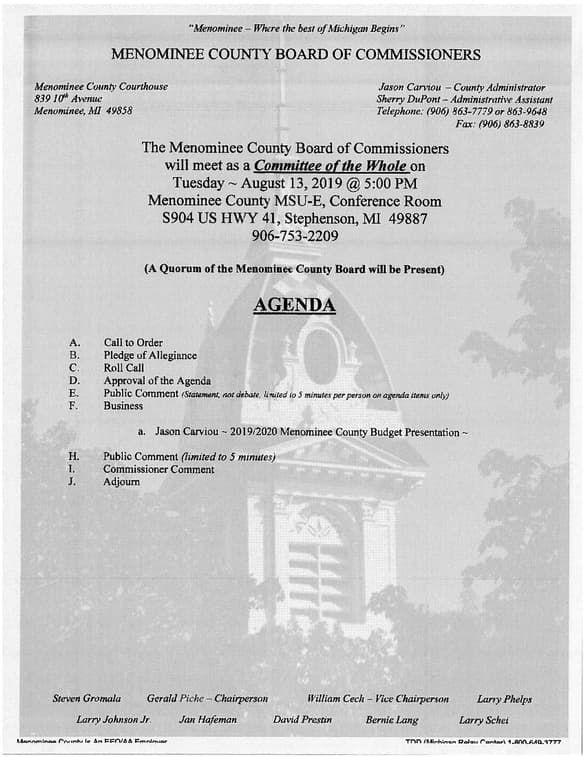
The Historical Acts Board of the Menominee Tribe met on December 10, 2025 in the MTL Committee Room and on Zoom for a regular session. The Board, which oversees matters related to the tribe's historical records, acts and archival issues, posted logistics and a link to the agenda where materials considered were made available for public review.
The public posting of agenda materials is a routine but consequential element of tribal governance. Access to meeting materials allows tribal members, county residents, researchers and local institutions to follow decisions about record retention, digitization priorities, provenance and access protocols. Those decisions affect how family histories are preserved, how documentary evidence is maintained for legal or land claim work, and how cultural heritage is curated for future generations.
Institutionally, the Historical Acts Board functions as a gatekeeper for archival policy within tribal government. Its oversight responsibilities can influence recordkeeping standards across tribal departments, determine priorities for staffing and digitization, and shape agreements with external repositories or researchers. Transparent agendas and posted materials strengthen accountability by giving community members a basis to evaluate whether archival stewardship aligns with tribal priorities and legal obligations.
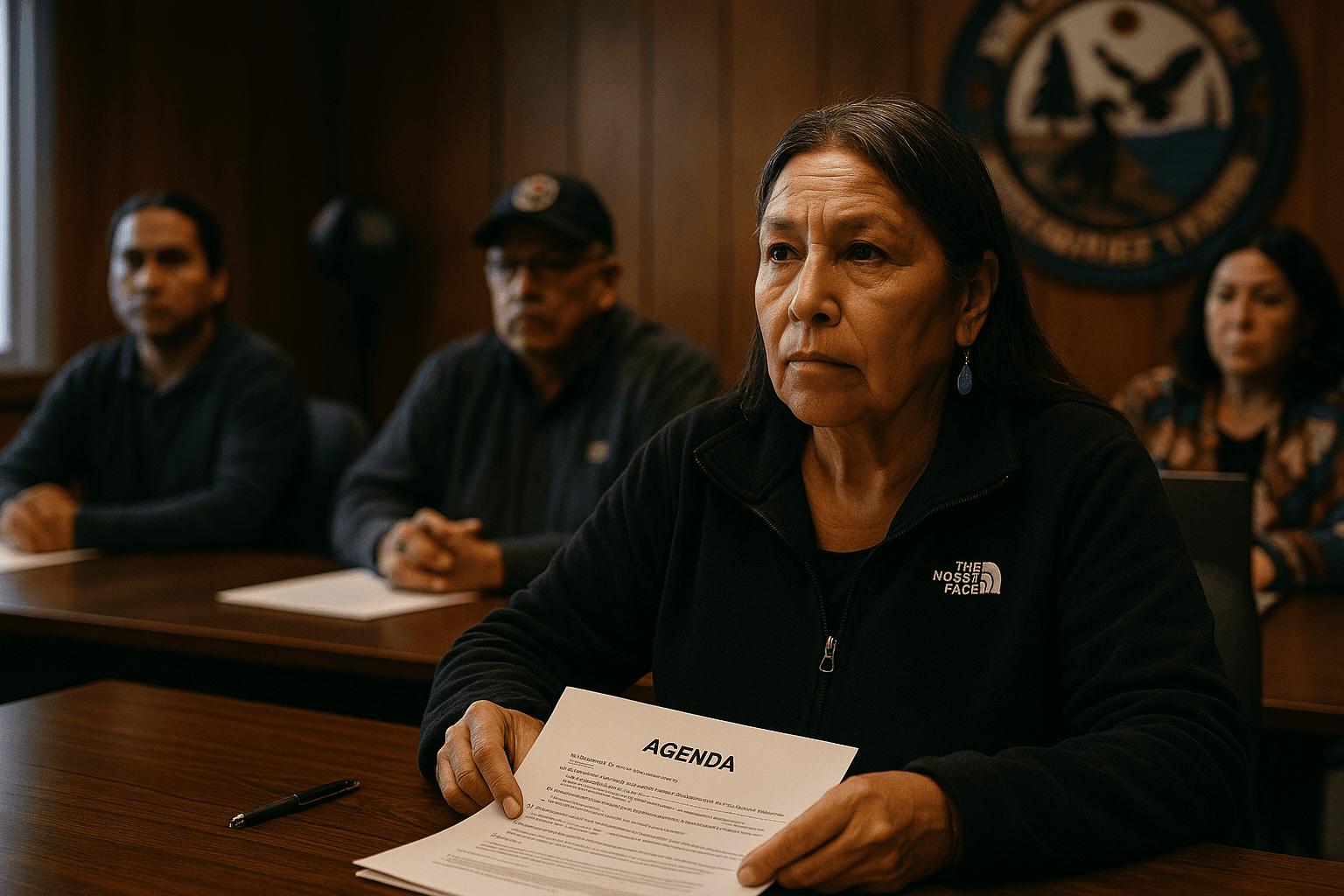
The use of both an in person meeting location and virtual participation expands public access, enabling broader civic engagement for residents who cannot attend in person. For Menominee County stakeholders, the meeting underscores the practical intersection of tribal archival work with county historical projects, school programming and genealogical research. It also highlights the role that accessible records play in supporting informed public discussion about heritage and governance.
Residents interested in the outcomes of this meeting should review the posted agenda materials and follow future Historical Acts Board sessions. Ongoing attention from the public supports transparency, helps ensure that archival policy serves community needs, and contributes to accountable stewardship of Menominee historical records.
Sources:
Know something we missed? Have a correction or additional information?
Submit a Tip