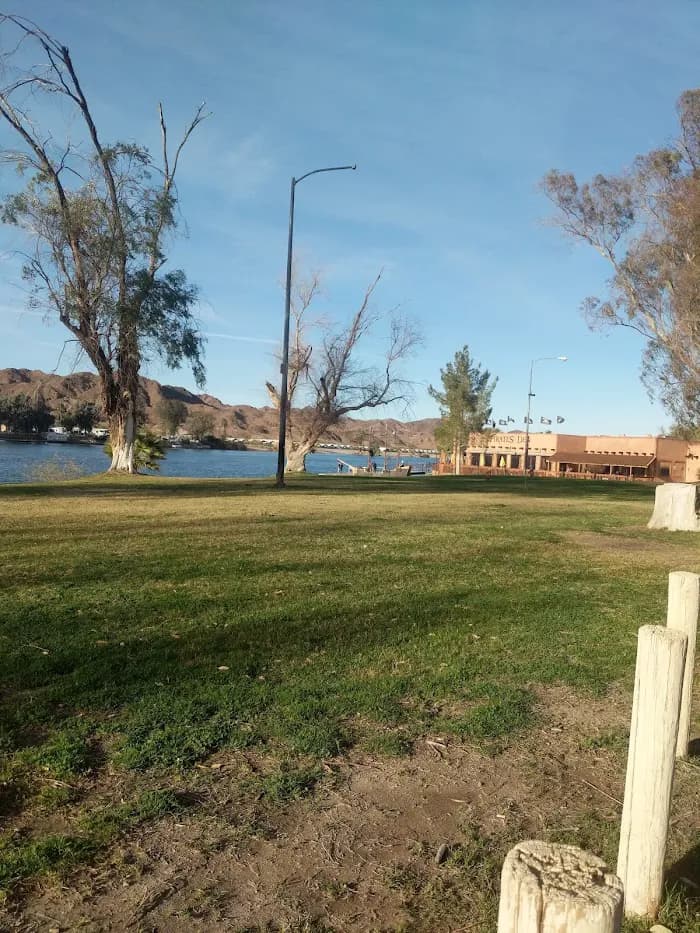
Trigo Mountains Mining Legacy Raises Land Management and Safety Questions
The Trigo Mountains, also referenced as the Trigo/Cibola mining district in La Paz County, are a historically noted area of small-scale mine workings and multiple mineral occurrences, including historic silver-lead production and collectible specimen minerals. That legacy matters now as hobbyist collectors, local historians and land managers confront public-safety, access and stewardship questions that could shape county policy and local governance priorities.
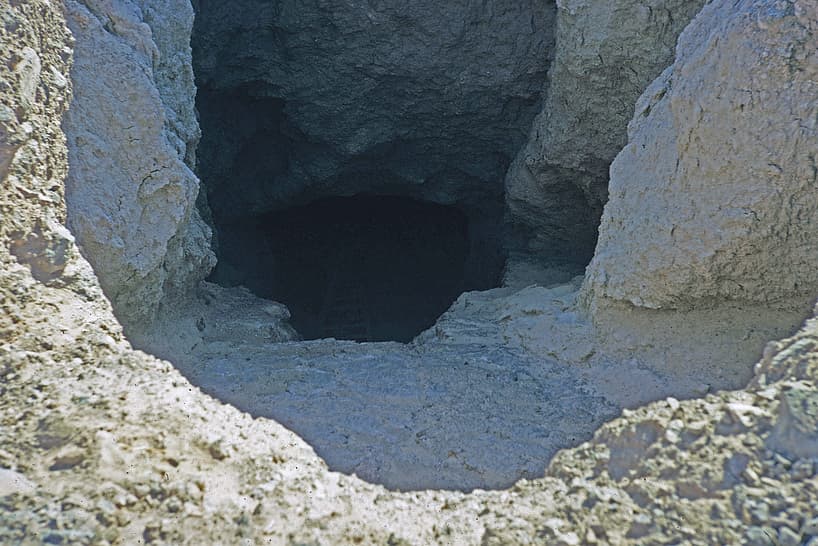
The Trigo Mountains mining district in La Paz County is part of the county’s mining heritage, with multiple historic showings and small-scale workings that produced silver-lead and yielded specimen minerals prized by collectors. Locality documentation and collector-facing resources, including a Mindat locality page, compile regional geology, list minerals historically found there, and reference U.S. Geological Survey and Arizona Bureau of Mines publications and historical production notes that researchers and collectors continue to consult.
For residents and county officials the legacy is practical, not merely historical. Old adits, shafts and mine dumps present public-safety hazards and create management questions about access on public and private lands. The presence of collectible mineral specimens draws hobbyist visitors, increasing foot and vehicle traffic on backcountry roads and raising liability, signage and emergency-response considerations for county land managers and first responders.
Institutionally, the Trigo district sits at the intersection of local, state and federal responsibilities. La Paz County supervisors and county planning staff must weigh competing priorities: preserving cultural and mineral-collecting heritage, protecting public safety, preventing environmental harm and clarifying land access. State and federal agencies hold much of the technical data on historic production and geology, but county-level inventories and mapping are essential to translate that information into actionable land-use decisions and site-specific safety measures.
The issue has governance and political implications. Decisions about whether to fund an inventory, install warning signs, close hazardous sites or promote responsible recreational collecting will fall to elected local officials and land managers. Those choices can influence voter priorities in county elections where land-use, public safety and rural access are recurring themes. Engaged residents and local historical groups have a substantive role in shaping those policy debates by requesting transparency, supporting inventories and participating in public meetings.
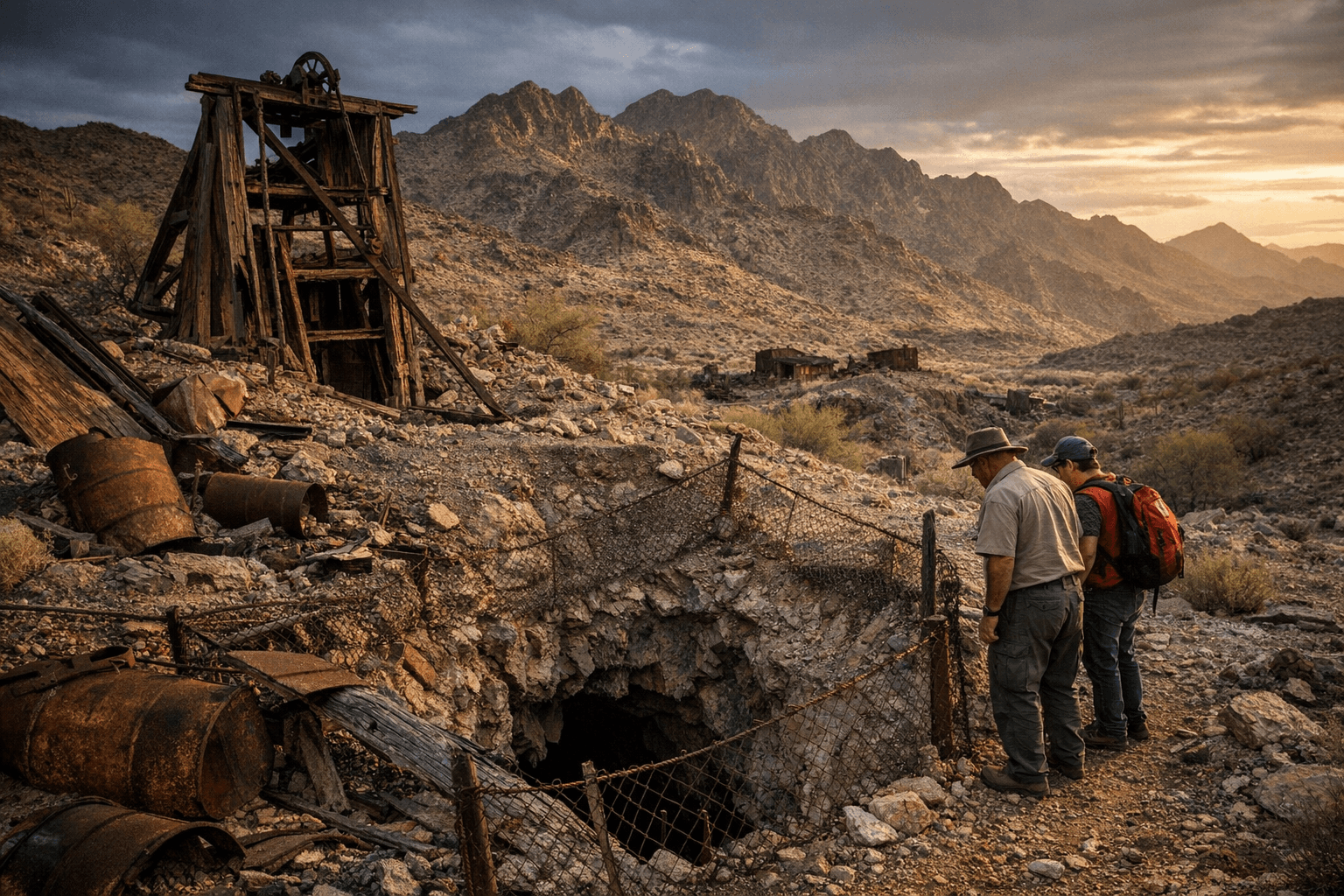
Practical next steps include a comprehensive county inventory of known historic mine sites in the Trigo Mountains, coordinated outreach with state and federal agencies to clarify responsibilities, clear public information about access and hazards, and targeted remediation or signage where sites pose acute risk. Funding and staffing decisions for these actions will surface in county budget deliberations, making them matters for voters and the board of supervisors to consider.
The Trigo Mountains’ mineral legacy connects La Paz County’s past to present governance choices. How county leaders respond will determine whether that legacy becomes a managed asset for education and low-impact recreation or an unmanaged public-safety and environmental liability.
Sources:
Know something we missed? Have a correction or additional information?
Submit a Tip