Trinidad and Las Animas County Offer Rich Cultural and Outdoor Assets
Las Animas County and the city of Trinidad contain a cluster of museums, parks, scenic drives and historic sites that support community life, education and local tourism. Residents and officials can use these year round assets to promote public health, school learning and economic opportunity while addressing access and environmental concerns.
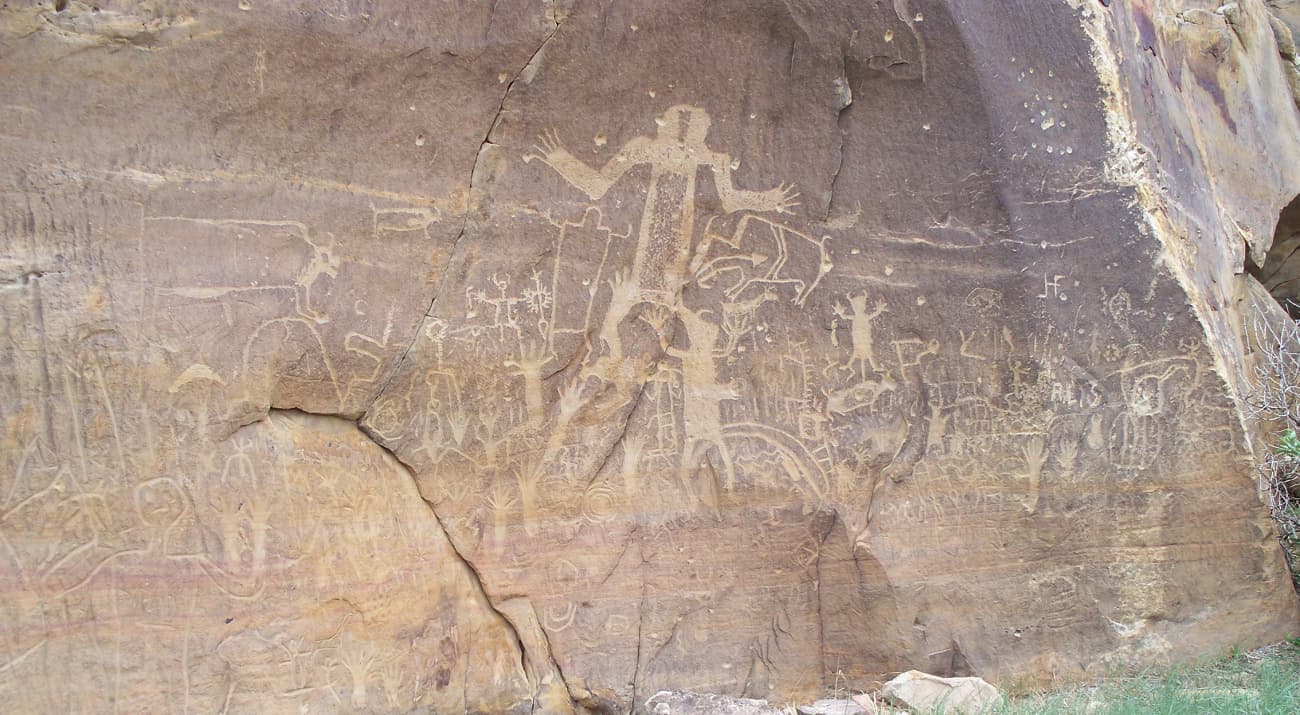
Trinidad and Las Animas County preserve a dense set of cultural and outdoor attractions that matter for residents, students and visitors. Downtown Trinidad holds the Trinidad History Museum with Santa Fe Trail exhibits and Bloom Mansion, along with well preserved Victorian architecture that connects the community to its past. Nearby the A.R. Mitchell Museum of Western Art highlights western and Spanish colonial folk art, and the Louden Henritze Archaeological Museum on the Trinidad State campus houses local archaeological and paleontological collections useful for classroom visits and research.
The Highway of Legends National Scenic and Historic Byway runs 82 miles from Walsenburg to Trinidad, offering access to Spanish Peaks country, scenic overlooks, historic mining areas and the seasonal Cordova Pass. Trinidad Lake State Park and the Fishers Peak area provide fishing, hiking trails and geology points of interest including KT boundary exposures in the region that are valuable for informal science education. Regional historic sites within reach include the Ludlow Massacre site, the Cokedale Coke Ovens and the Francisco Fort Museum in La Veta which document mining, ranching and frontier history.
These assets contribute to public health by supporting outdoor physical activity, mental health benefits from nature, and hands on educational programming for local schools. They also underpin economic development through tourism and events that bring visitor spending to local businesses. At the same time there are equity and environmental issues to address. Seasonal access to higher elevation roads limits who can use certain sites, transportation costs can prevent low income families from taking field trips, and legacy mining and coke oven sites require monitoring for contamination and interpretive care so that commemoration and recreation do not come at the expense of community safety.

Local officials, schools and community groups can build on existing museums and parks to expand equitable access. Strategies include targeted school transportation funding, accessibility improvements for older adults and residents with disabilities, multilingual outreach for visitors and residents, interpretive programming that centers labor and Indigenous histories and coordination with state and federal agencies on environmental assessments at former industrial sites. By treating these cultural and outdoor resources as public health assets rather than tourism only commodities, Las Animas County can promote learning, collective memory and shared economic benefits across communities.