Trinidad Police Blotter Details Traffic Incidents and Local Patrols
The Trinidad Police Department posted a public dispatch blotter that documented calls for service on December 4, 2025, including extra patrols at businesses and residences, motorist assists, an accident and a DUI arrest on Interstate 25. The entry, created December 5 on CrimeWatch, offers residents a snapshot of recent enforcement activity and raises questions about local public safety priorities and resource allocation.
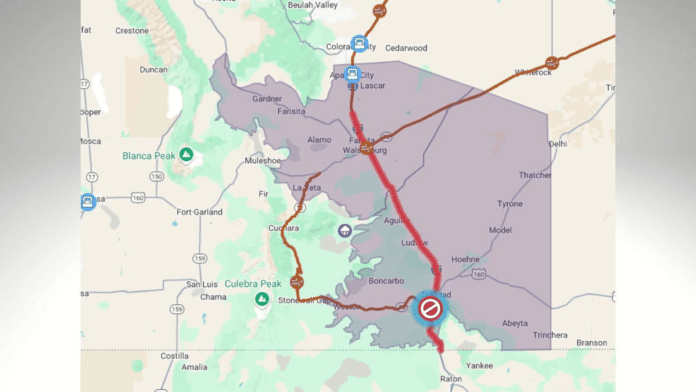
The Trinidad Police Department posted a dispatch level blotter on CrimeWatch that documented calls for service occurring on December 4, 2025. The blotter, created on December 5, listed a range of incidents including extra patrol assignments at local businesses and residential areas, multiple motorist assists, and traffic enforcement actions that resulted in written warnings. The log also noted an accident on Interstate 25 and a DUI arrest northbound at mile marker 18.
Beyond traffic matters, the blotter recorded reports of fraud, welfare checks, alarm activations that were set off by employees, and vice and drug related calls. One entry described a caller turning in a single blue pill for disposal, a detail that underscores how community members sometimes engage directly with police on substance concerns. The document functions as a dispatch summary used by the department to document calls and to inform the public about day to day operations.
For local residents the blotter provides immediate information about where officers were directed to concentrate their work. Extra patrol assignments at commercial and residential locations reflect departmental decisions about visible presence and deterrence. The DUI arrest on Interstate 25 highlights ongoing traffic safety enforcement on a major corridor through Las Animas County, and the accident entry reminds drivers of travel risks especially during winter months.
At the institutional level the dispatch summary illustrates the limits and strengths of public transparency. A single blotter gives a snapshot but does not capture investigative follow up, outcomes beyond initial arrests, or broader patterns over time. That gap matters for policymakers and voters who must weigh police staffing, training and resource allocation in upcoming budget and oversight discussions.
Residents who prioritize public safety and civic oversight can use routine blotter postings as one data point when engaging elected officials or attending meetings. Consistent review of dispatch summaries can inform community questions about enforcement priorities, emergency response capacity, and the balance between traffic policing and other public safety needs.
Sources:
Know something we missed? Have a correction or additional information?
Submit a Tip