Trinidad State President Named Sole Finalist For CSU Pueblo Presidency
On December 4, 2025 the Colorado State University System Board of Governors named Dr. Rhonda Epper the sole finalist to become the next president of Colorado State University Pueblo, triggering a mandatory 14 day waiting period under state law before any employment agreement can be executed. The potential leadership change matters for Las Animas County because Trinidad State College plays a central role in the regional workforce pipeline, especially for nursing and other critical fields that affect local health services and economic stability.
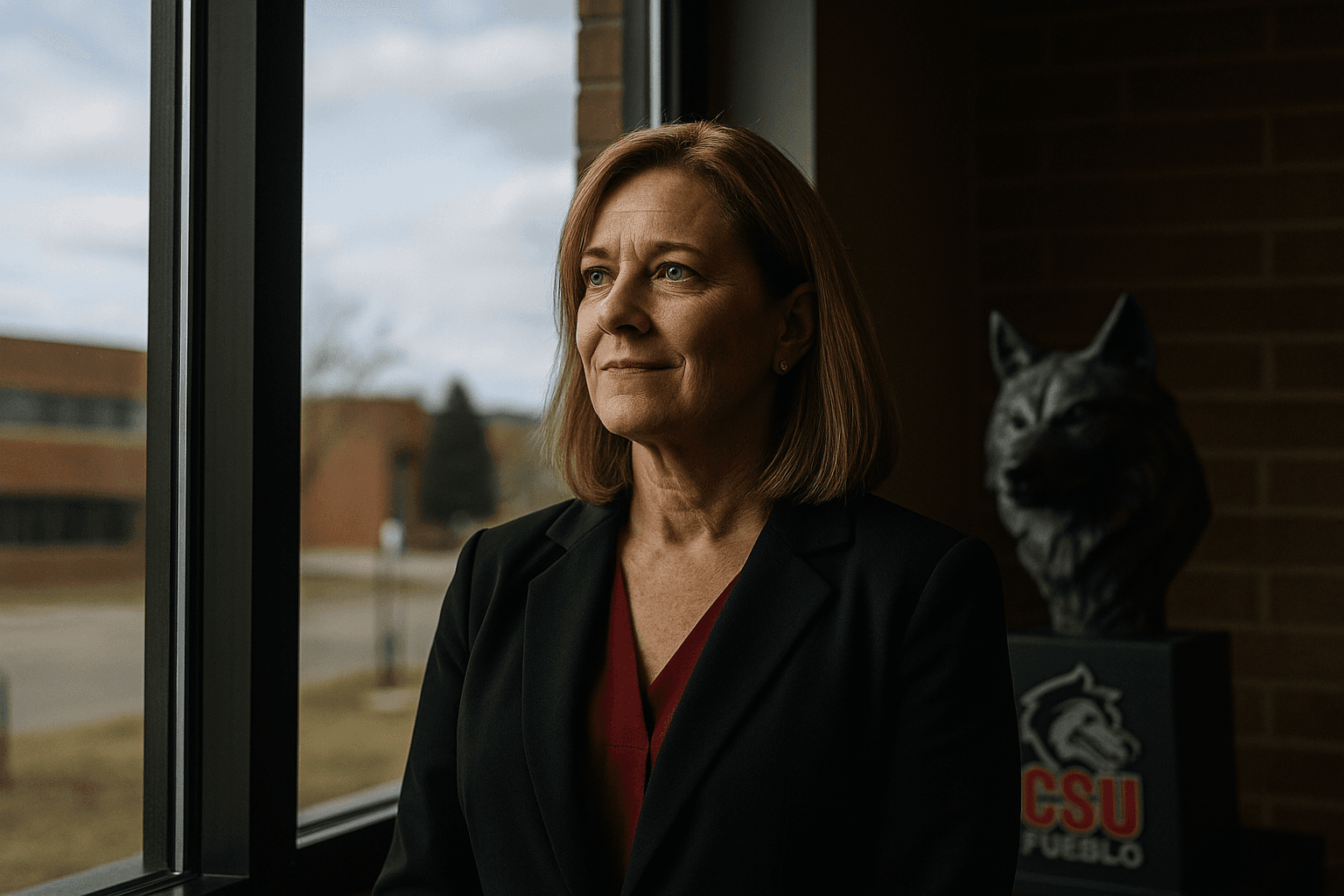
The Colorado State University System Board of Governors selected Dr. Rhonda Epper on December 4 as the sole finalist to lead Colorado State University Pueblo, following a national search that began in August. The process included a 12 member search advisory committee that interviewed 12 candidates and advanced four for board interviews. Under Colorado law a 14 day notice and waiting period must pass before the board may finalize any employment agreement, and the board is expected to consider formal appointment and a contract in mid December.
Dr. Epper has been president of Trinidad State College since June 2019. During her tenure the college launched its first bachelor degree programs in nursing and business, developed new programs in cybersecurity, robotics and advanced manufacturing, led a 45 million dollar capital campaign, and improved graduation rates while strengthening institutional fiscal stability. Both Trinidad State College and Colorado State University Pueblo are federally designated Hispanic Serving Institutions, and Epper’s record emphasizes regional and workforce development.
For Las Animas County the nomination raises immediate questions about continuity at Trinidad State College and the future of local workforce investments. The bachelor degree in nursing at Trinidad State is a direct pipeline for hospitals, clinics and long term care providers across southern Colorado. A leadership transition there could affect program expansion, clinical partnerships, and the training of new nurses at a time when rural health care systems remain stretched.
The potential move also carries opportunities for strengthened coordination across institutions. A president with deep regional ties and experience launching workforce programs could accelerate efforts to align higher education with local employer needs, from health care to advanced manufacturing. At the same time communities dependent on Trinidad State for training and economic activity will want clarity about succession plans and continued support for the programs that serve students from Las Animas County.
The system provided contact information and additional materials to media observers. Residents and local health employers should follow the board meeting in mid December for final action, as the outcome will shape regional education and workforce planning into 2026 and beyond.