Trump Announces $12 Billion Bridge Payments to U.S. Farmers
President Trump unveiled a $12 billion one time assistance package intended to provide immediate relief to American farmers facing weak commodity prices and trade disruptions, a move that could reshape rural economies and influence the 2026 political map. The plan raises questions about equity in farm support, oversight when aid is authorized through executive authority, and wider public health implications for food access and rural services.
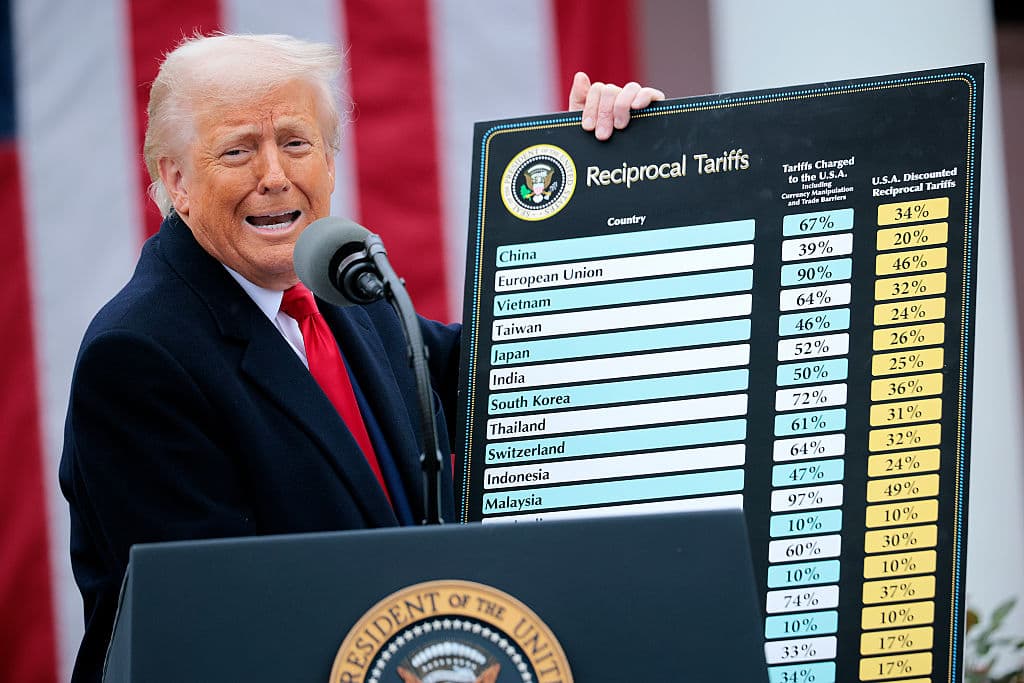
President Donald Trump announced at a White House roundtable on December 8 that his administration would provide $12 billion in one time assistance to U.S. farmers, a measure designed to be a short term bulwark against lost export demand and rising input costs. Administration officials described the program as a "Farmer Bridge Assistance" initiative, with up to $11 billion targeted at major row crops such as corn, soybeans and wheat, and roughly $1 billion reserved for specialty crops and other producers.
Agriculture Secretary Brooke Rollins said applications would open in the coming weeks and that payments would begin to be disbursed with a target date for initial checks by late February 2026. Officials said the funds will be authorized under the Commodity Credit Corporation Charter Act, a mechanism that allows the administration to deploy federal funds for farm support without immediate new congressional appropriation.
The infusion aims to stabilize farm incomes hit by price weakness and international trade disruptions, and to provide producers time to adjust planting and marketing plans ahead of the next growing season. Administration aides portrayed the assistance as a pragmatic response to market shocks, and as a demonstration of support for rural communities that have struggled with falling commodity prices and higher costs for fuel, fertilizer and equipment.
Beyond the immediate financial relief, the announcement highlighted broader questions about how agricultural policy intersects with public health and community wellbeing. Agricultural economists and rural health advocates have long warned that farm income volatility contributes to food insecurity, declines in rural health care funding, and increased mental health strain among farming families. Short term payments may blunt those harms, but experts caution that concentrated support aimed at large commodity producers can leave smaller farms and specialty crop growers vulnerable, with long term implications for food diversity and local access to fresh produce.
Equity concerns are central to the debate. The distribution outlined by the administration allocates the vast majority of funds to major row crop producers, a pattern that critics say continues a long standing trend of larger operations receiving the bulk of federal farm support. Specialty crop growers, many of whom operate smaller farms and serve regional markets, are allocated only a fraction of the package, raising questions about how the assistance will affect local food systems and low income communities that rely on diverse produce for nutrition.
The decision to use the Commodity Credit Corporation authority also revived scrutiny over executive directed farm aid and the fiscal treatment of tariff revenues. Reporting across outlets noted that the move could bolster political support in rural areas ahead of the 2026 election cycle while prompting scrutiny from lawmakers and watchdogs over transparency and long term policy direction.
As applications open, farmers and rural service providers will assess whether the bridge payments deliver the intended relief. For communities where agricultural income supports hospitals, schools and social services, the stakes extend beyond balance sheets to the resilience of health and social safety nets in the coming year.