Trump Defers to Hegseth on Release of Controversial Boat Strike Video
President Trump said he would leave the decision to Defense Secretary Pete Hegseth on whether to release the full video of a September 2 Special Operations strike off Venezuela that killed 11 people. The choice raises urgent questions about accountability, the law of armed conflict, and the public health and community consequences for vulnerable populations in the region.
President Donald Trump said he would leave it to Defense Secretary Pete Hegseth to decide whether to release the full video of a U.S. Special Operations strike off Venezuela on September 2 that killed 11 people, a decision that deepened scrutiny of a mission already drawing demands for transparency. Initial reporting by The Washington Post that a second strike may have hit survivors prompted calls from members of Congress for the unedited footage, and critics said the strikes raise questions about compliance with the law of armed conflict.
Trump appeared to back away from earlier comments that suggested the footage would be made public, instead assigning the matter to the Pentagon. Defense officials have defended the operation as aimed at narcotics traffickers and have cautioned that releasing certain materials could jeopardize future missions and intelligence sources. The Defense Department said it was reviewing the process for determining what could be released, a review Hegseth said the department was undertaking.
The immediate policy questions are tightly coupled to broader public health and humanitarian concerns. Unresolved accounts of civilian harm and the possibility of a second strike on survivors amplify trauma among coastal communities in Venezuela, many of which already face persistent health system strain, scarce mental health services, and limited access to basic care. For families and communities who may have lost loved ones, lack of transparent information can compound bereavement and obstruct access to remedies, increasing the risk of long term psychological and social harm.
Public health professionals note that when military actions occur in or near fragile settings, they can disrupt livelihoods and health services, displace people, and heighten risks of infectious disease spread and untreated chronic conditions. Those impacts are often borne disproportionately by the most marginal populations, underscoring concerns about social equity in the conduct and oversight of overseas operations.
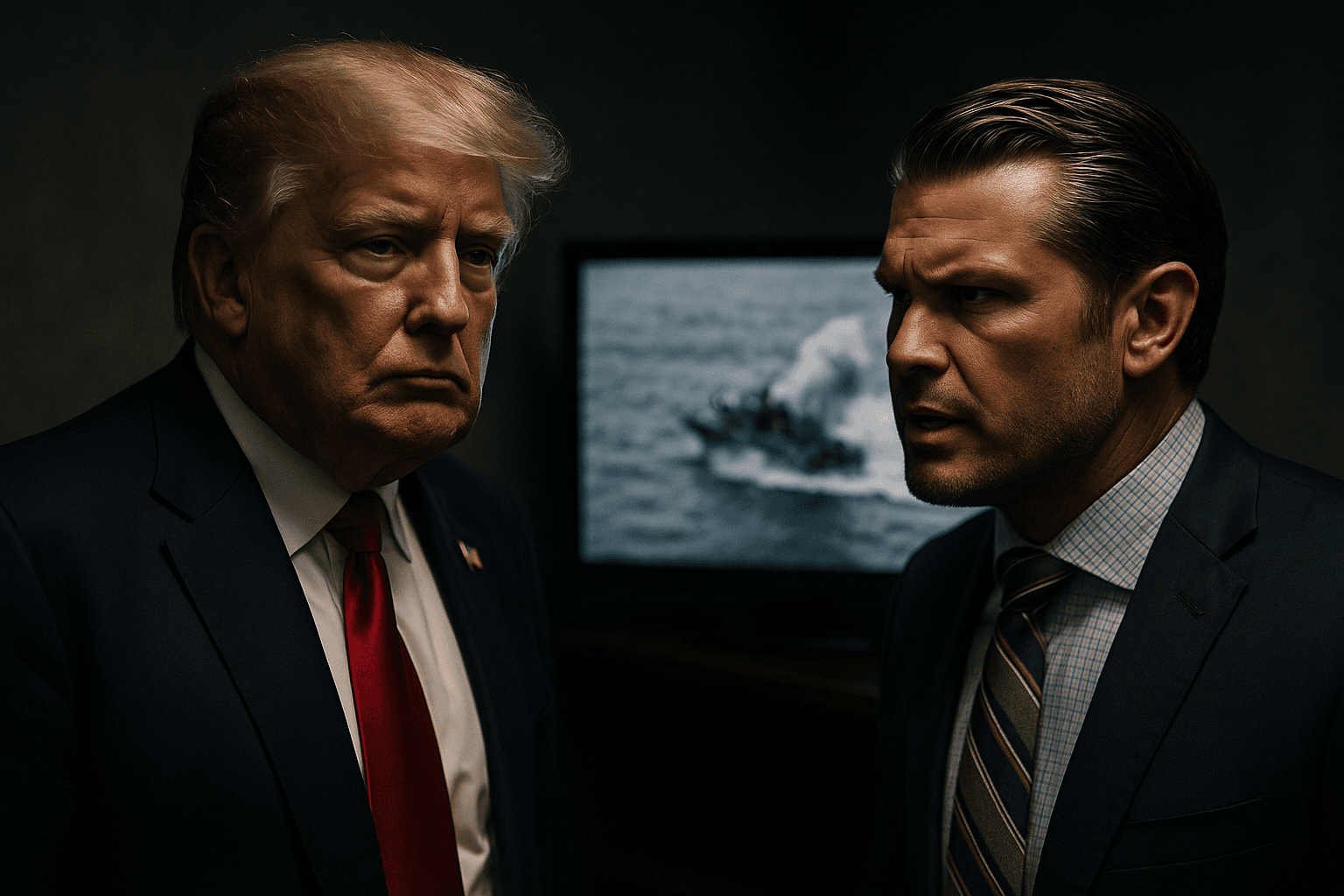
Congressional leaders have said they want to see unedited footage to evaluate whether the operation complied with legal and policy constraints. Observers and legal experts say full transparency would aid independent assessment of whether rules meant to protect civilians were followed. Pentagon officials counter that raw imagery often contains classified technical details and contextual material that could reveal tactics, techniques, and procedures, potentially endangering future missions and personnel.
The dispute places Hegseth at the center of an enduring tension between national security prerogatives and public accountability. His determination will influence not only congressional oversight but also the administration’s posture on the use of force and the degree of public scrutiny allowed for covert or sensitive military operations. It will also shape how affected communities and international observers interpret U.S. commitments to the law of armed conflict and humanitarian norms.
As the Pentagon completes its review, the case will test institutional capacity to balance operational security with the imperative to provide families and lawmakers a clear account of what occurred. For communities in Venezuela and broader regional partners, the outcome will matter for justice, public health recovery, and confidence that conduct under U.S. authority will be subject to rigorous, transparent scrutiny.