Trump Meets Canada and Mexico Leaders at Kennedy Center World Cup Draw
President Trump held brief talks with the leaders of Canada and Mexico after attending the World Cup draw at the Kennedy Center, telling reporters he planned to raise trade and immigration. The private nature of the meetings and a sparse White House readout leave questions about outcomes that matter to workers, border communities, and policymakers across North America.
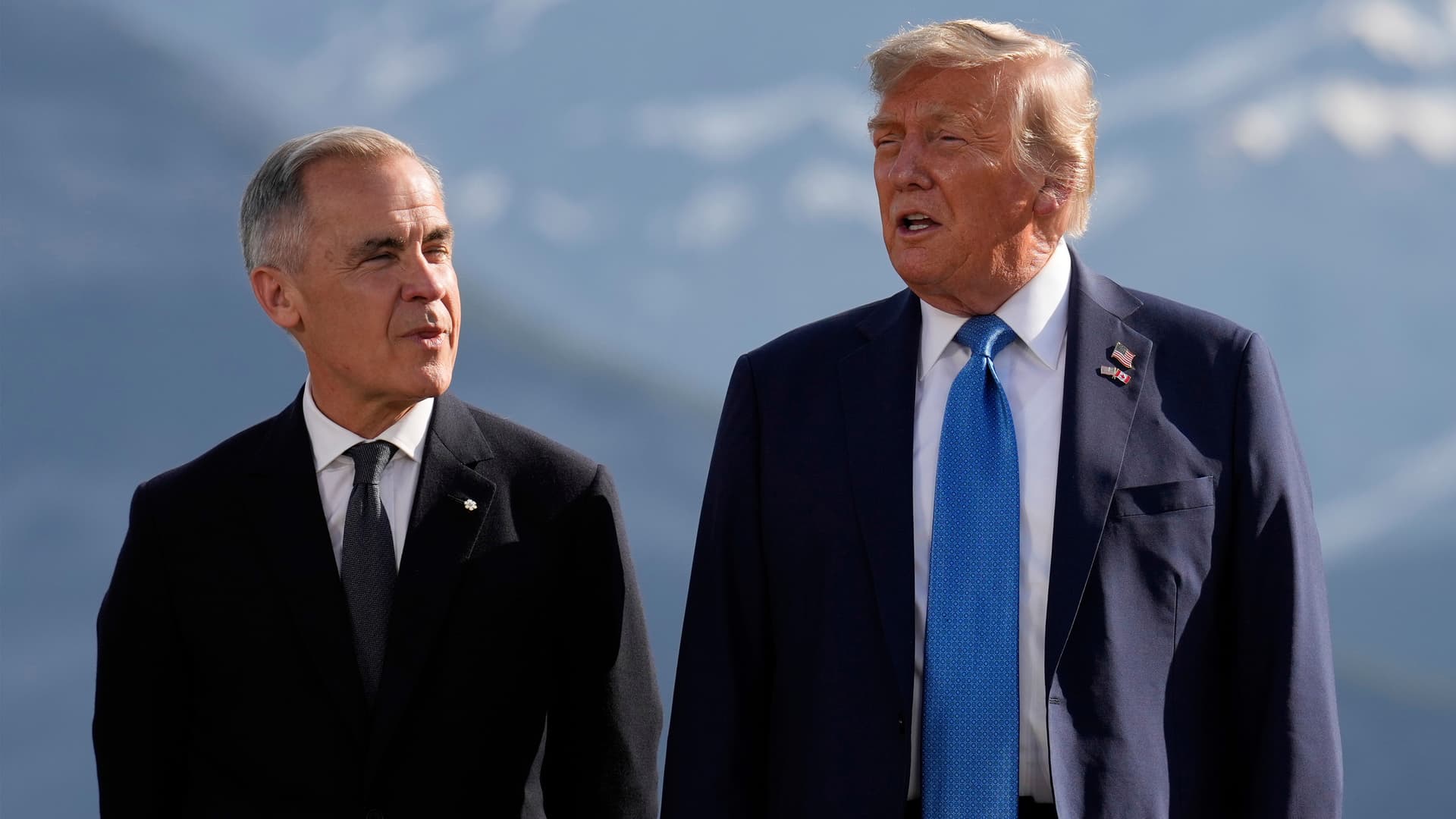
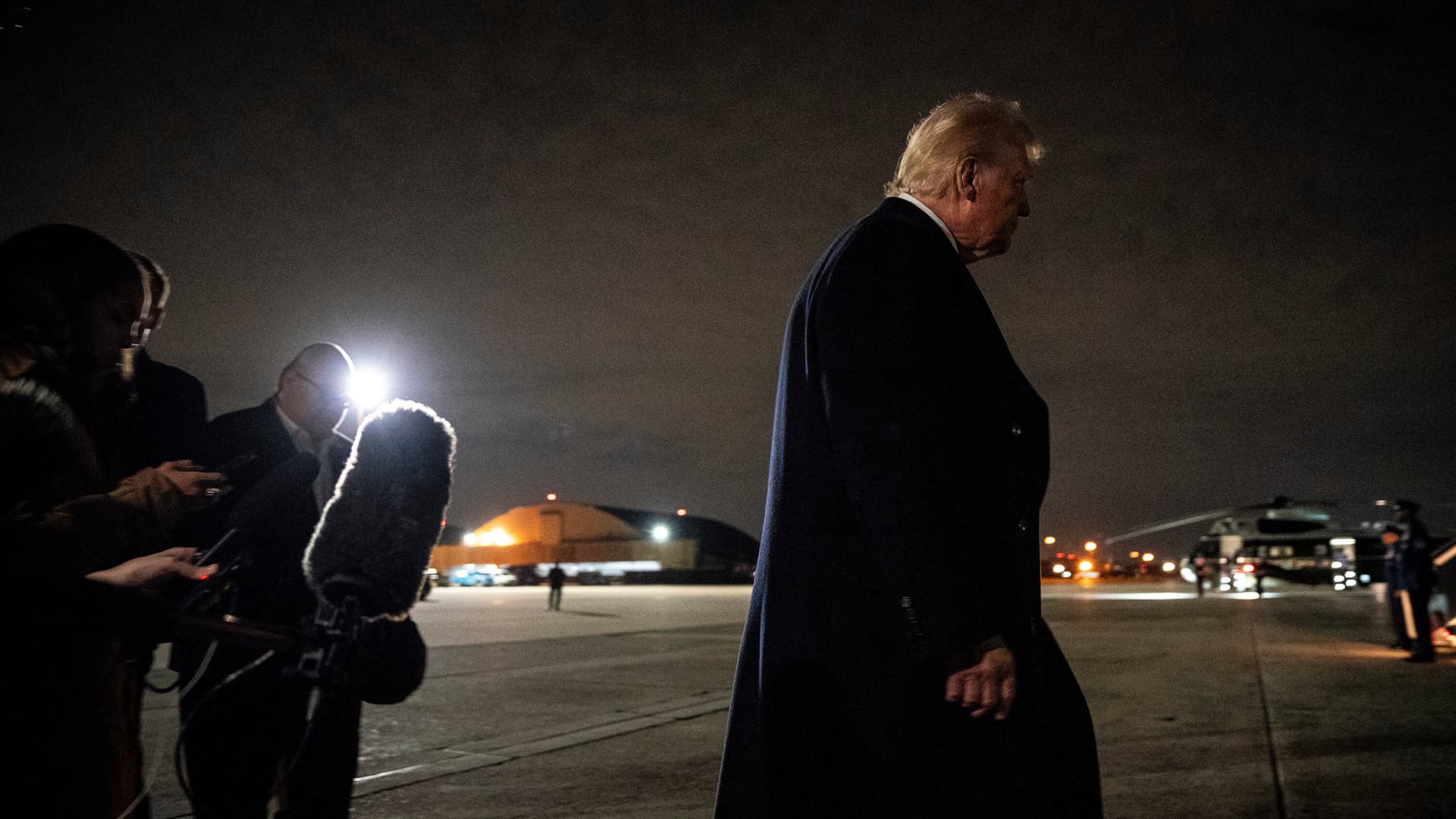
President Trump attended the World Cup draw at the Kennedy Center on December 5 and spoke with visiting leaders from Canada and Mexico on the margins of the high profile FIFA event co hosted by the three nations. Earlier that evening he told reporters he planned to meet later that day with the leaders of Mexico and Canada to discuss trade and immigration issues. Video from the ceremony showed him speaking with Canadian Prime Minister Mark Carney, and the White House confirmed post ceremony talks took place but provided few details.
The encounters added another layer to ongoing U.S. engagement with North American trading partners on tariffs, supply chains and border policies. Officials and industry stakeholders have been monitoring informal diplomatic contact as capitals weigh measures to protect manufacturing, secure critical supply chains and manage migration flows that have become central to domestic political debates.
The lack of a detailed public readout from the White House complicates efforts to assess whether the meetings produced concrete commitments or merely rehearsed existing positions. Formal summitry between national leaders typically yields at least a joint statement, an aide level communique or a schedule for follow up meetings. The absence of such information raises questions about transparency, and about how the executive branch is coordinating trade and border policy with Congress and with independent regulatory agencies.
Policy implications are broad. On trade, ministers and senior officials could use leader level conversations to calibrate tariff policy, to address bottlenecks in cross border manufacturing and to consider incentives for nearshoring. Those decisions affect producers and consumers alike by influencing input costs, investment decisions and regional competitiveness. On immigration, talks among the three governments shape how asylum claims, labor mobility and border enforcement are implemented, with direct consequences for communities along the frontier and for industries that rely on seasonal or migrant labor.
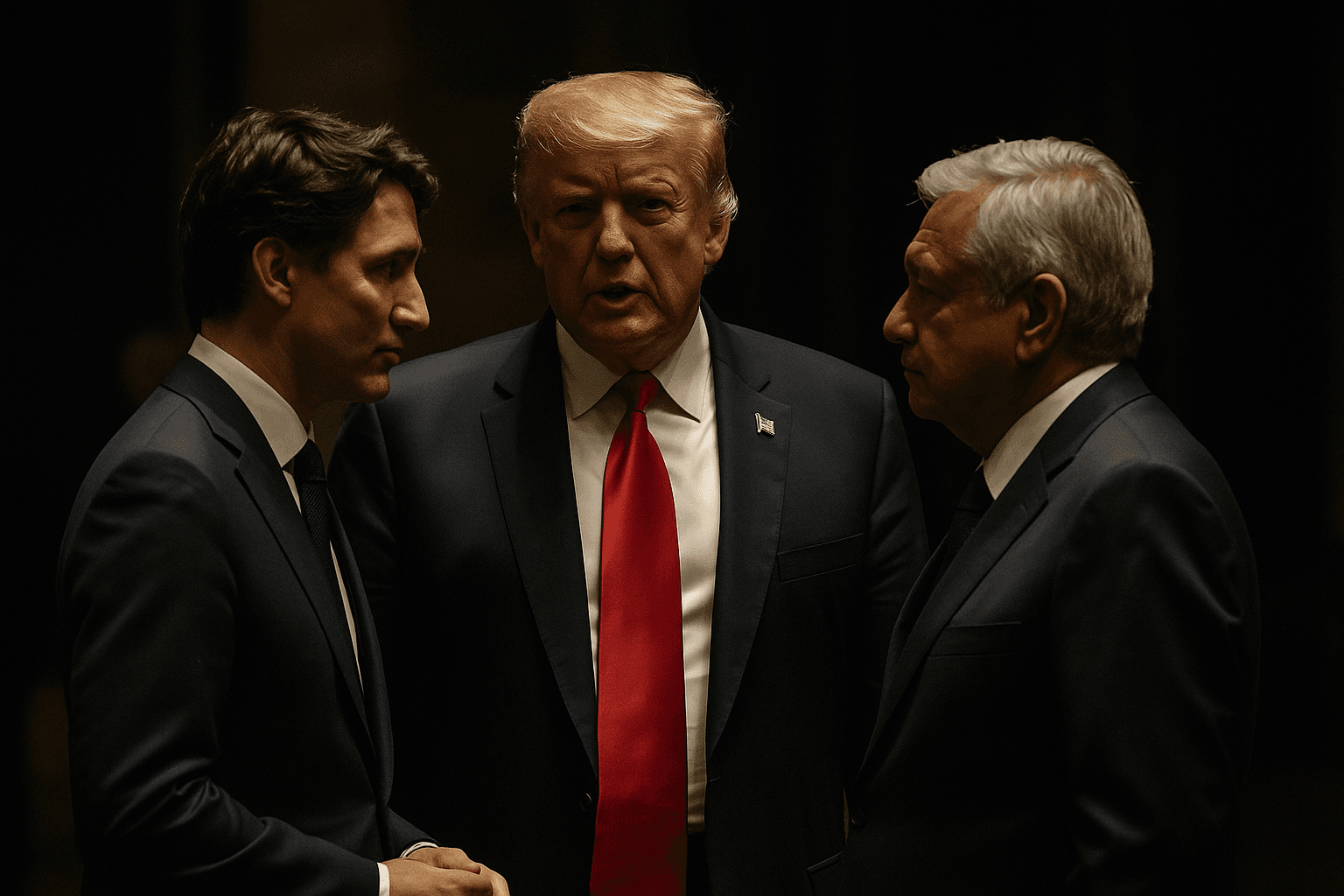
The optics of holding such discussions at a sports diplomacy event also matter politically. The World Cup draw presented national leaders with a high visibility opportunity to signal cooperation on a shared marquee project while avoiding the formality of a stand alone summit. For domestic audiences, especially in swing states and border regions, the substance of any agreement or operational change will be the primary gauge of political impact.
Lawmakers and civil society groups are likely to press for more information. Congress has oversight authority over trade policy and appropriations, and lawmakers from manufacturing districts and border states will seek clarity on how any informal understandings translate into policy or enforcement changes. Community organizations and business groups will likewise evaluate how trade and immigration outcomes affect jobs, wages and public services.
Without a full account of the conversations, the meetings remain indicative of continued diplomatic engagement rather than of a change in policy direction. The next steps to watch will be any formal statements from the three governments, follow up ministerial meetings and concrete procedural changes at border crossings or in supply chain regulation that would reveal the practical effect of the encounters at the Kennedy Center.