Trump National Security Team to Brief Gang of Eight Lawmakers
Senior administration officials will deliver a classified briefing to the Gang of Eight about an expanded U.S. campaign against suspected drug smuggling vessels amid rising tensions with Venezuela, a move that raises urgent questions about legality, oversight, and strategy. The session matters because it will test congressional oversight of sensitive military operations, influence civil military relations as a top Southern Command officer departs, and shape how lawmakers respond to executive assertions of national security authority.

Senior members of the Trump administration are scheduled to deliver a classified briefing to the congressional Gang of Eight at 3:30 p.m. Eastern on Tuesday, focusing on recent national security actions tied to escalating tensions with Venezuela. The delegation to brief the small group of congressional leaders will include Defense Secretary Pete Hegseth, Chairman of the Joint Chiefs of Staff General Dan Caine, and Secretary of State Marco Rubio. Admiral Alvin Holsey, the outgoing commander of U.S. Southern Command, is also set to address lawmakers before he steps down later this week.
The briefing comes after an extended U.S. military campaign targeting suspected drug smuggling vessels in the Caribbean and Pacific that the administration says has carried out nearly 90 operations. The White House frames these strikes as part of a broader effort to disrupt drug cartels responsible for narcotics entering the United States. President Trump has publicly threatened land strikes against alleged Venezuelan drug traffickers, a posture that has compounded regional tensions and intensified scrutiny of the campaign.
The operations have prompted legal and political questions in Congress and among policy experts. Lawmakers are examining whether authorities used to authorize some strikes were consistent with domestic and international law, and news reports have raised concerns about fatalities among survivors of initial attacks. The classified session will give the Gang of Eight access to intelligence and legal rationales that are not available to the broader membership of Congress or the public.
The timing of the meeting intersects with leadership changes at a key regional command. Admiral Holsey’s abrupt retirement announcement has fueled speculation about internal disagreement over policy and strategy toward the region. His appearance before the Gang of Eight will be closely watched for any indication that operational concerns, chain of command friction, or legal conflicts influenced his decision to leave.
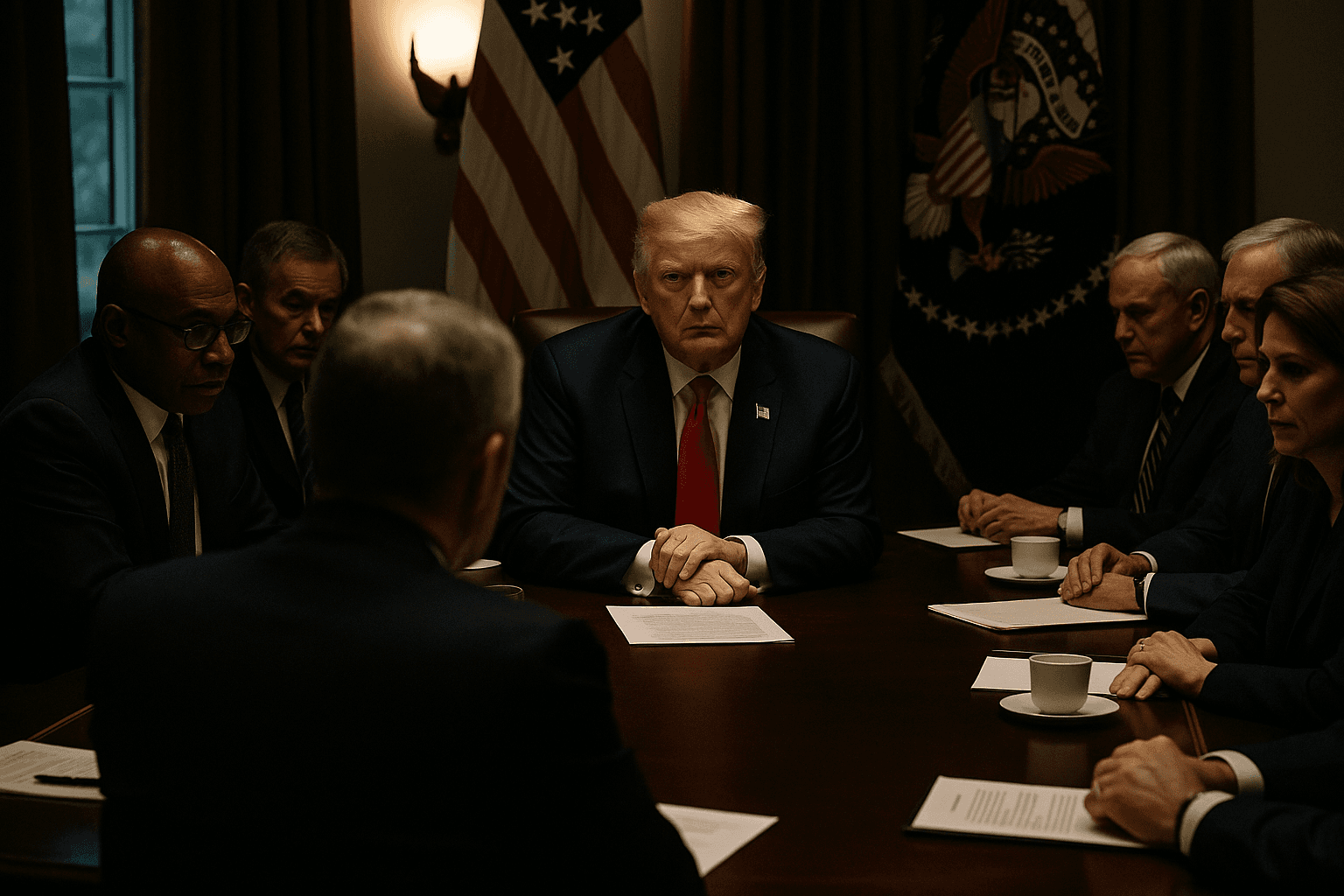
The briefing underscores a wider institutional tension between the need for executive secrecy in sensitive operations and congressional responsibility for oversight. The Gang of Eight structure is designed to allow top lawmakers to review classified matters while preserving operational security. Still, the narrowness of that oversight can leave many members of Congress with limited visibility into contentious uses of force, complicating representative accountability for constituents.
Policy implications are immediate. Lawmakers may use the briefing to press for clearer legal authorities, new reporting requirements, or restrictions on particular operations. The outcome could shape votes on defense appropriations, oversight mechanisms, or legislative checks on the executive branch. For constituents in districts affected by narcotics flows, and for U.S. military personnel engaged overseas, the contours of congressional responses will matter for both legal clarity and political accountability.
As the classified session unfolds, transparency advocates and legal scholars are likely to press for a fuller public accounting once classified constraints allow. The briefing will offer a critical early test of whether congressional oversight can keep pace with a rapidly expanding set of security operations conducted under the banner of countering narcotics and restoring regional stability.