Trump Officials to Brief Gang of Eight on Venezuela Operations
Top national security officials are scheduled to deliver a classified briefing to the congressional Gang of Eight this afternoon amid escalating U.S. military activity near Venezuela. The session comes as operations targeting suspected drug smuggling vessels have prompted scrutiny over civilian harm, transparency and the strain on regional communities and humanitarian services.

Top Trump administration national security officials are set to provide a classified briefing to the congressional Gang of Eight this afternoon, officials said, as tensions with Venezuela climb after an extended U.S. campaign against suspected drug smuggling in the Caribbean and Pacific. Defense Secretary Pete Hegseth, Chairman of the Joint Chiefs General Dan Caine and Secretary of State Marco Rubio will present classified materials arranged for late afternoon on December 9, 2025.
The briefing comes amid a stepped up U.S. military posture in the region. The administration has deployed a carrier strike group and a nuclear submarine to waters near Venezuela as part of efforts to interdict suspected narcotics shipments. Those operations have drawn increased attention inside Congress after video emerged from a September strike that showed shipwrecked survivors clinging to wreckage, prompting questions about target selection, the conduct of engagements and the fate of people caught in maritime incidents.
Admiral Alvin Holsey, the outgoing commander of U.S. Southern Command, is scheduled to brief a separate group of lawmakers. His unexpected early retirement has intensified scrutiny of internal Pentagon disputes related to the campaign, fueling concern among legislators who say they need more information about the legal and operational oversight of the strikes.
The classified session will test the balance between protecting operational secrets and providing sufficient congressional oversight of a campaign that has both security and humanitarian consequences. Lawmakers on both sides of the aisle have expressed unease about imagery of survivors and the lack of detailed public accounting about civilian harm. For lawmakers responsible for authorizing and funding military operations, questions include the rules governing engagement at sea, the coordination with regional partners and the mechanisms for assessing and mitigating noncombatant risk.
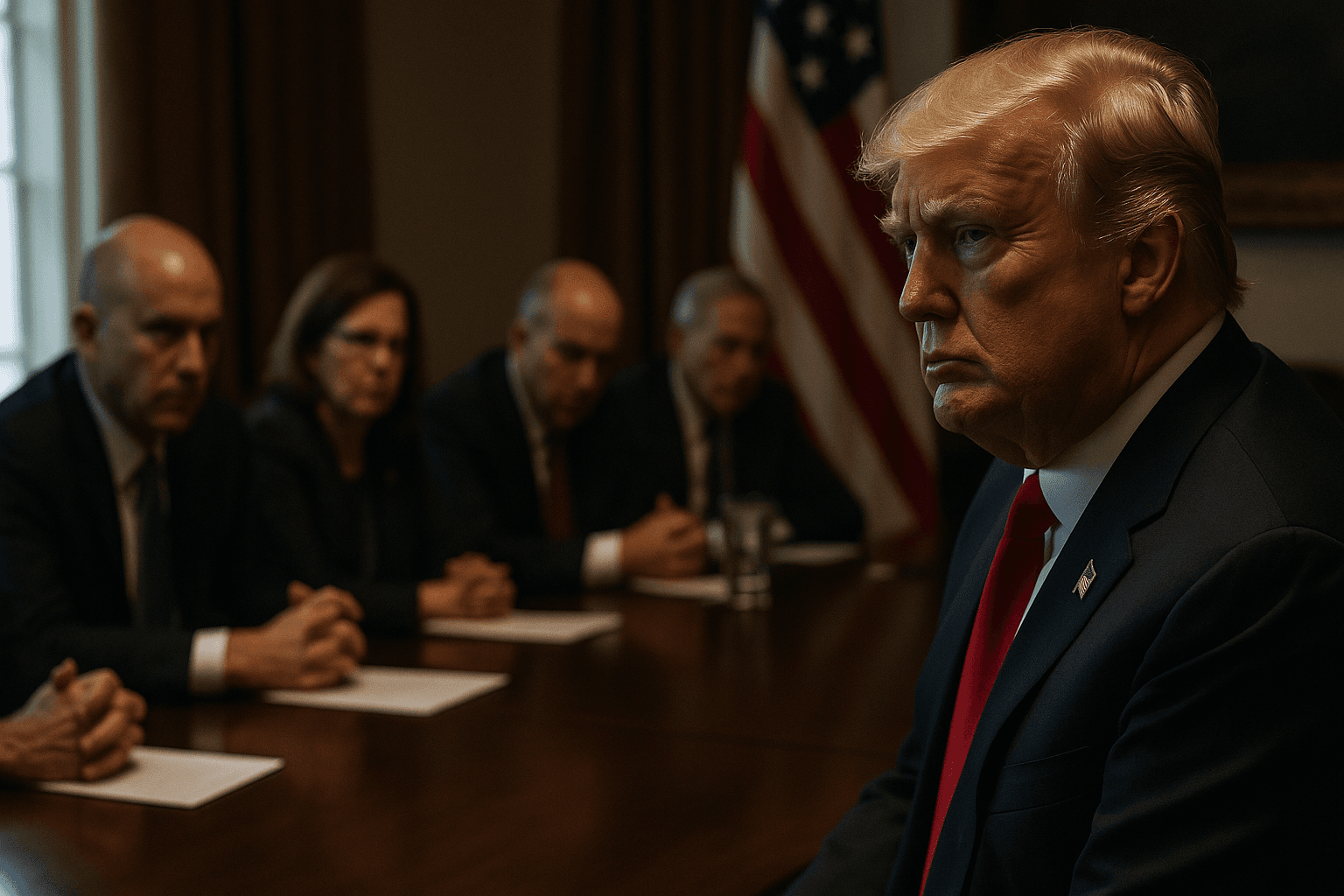
Beyond the halls of Congress, public health and community consequences are already materializing. Video of people stranded after maritime strikes underscores the immediate search and rescue burden on regional coast guard services and the medical systems of nearby islands and coastal communities. Survivors of shipwrecks face acute risks of hypothermia, traumatic injury and chemical exposure where fuel or ordnance is involved. Local clinics and emergency response teams in economically disadvantaged communities often operate with limited resources, heightening the risk that people displaced by these operations will not receive timely care.
The campaign also interacts with broader patterns of drug trafficking and displacement that have public health implications across the hemisphere. Interrupting smuggling routes can reduce the flow of illicit substances, but it can also push trafficking into more dangerous paths, increasing risk to migrants and mariners. Equitable access to medical care for survivors, transparent reporting of civilian casualties and sustained humanitarian assistance will be central demands from health advocates and human rights groups watching the briefings.
As the Gang of Eight convenes, lawmakers will weigh classified operational details against the need for public accountability and safeguards for vulnerable populations. The outcomes of the session could shape future congressional oversight, funding decisions and policy guidance for a campaign that sits at the intersection of national security, public health and regional equity. Reported by Phil Stewart, Idrees Ali and Daphne Psaledakis for Reuters.


