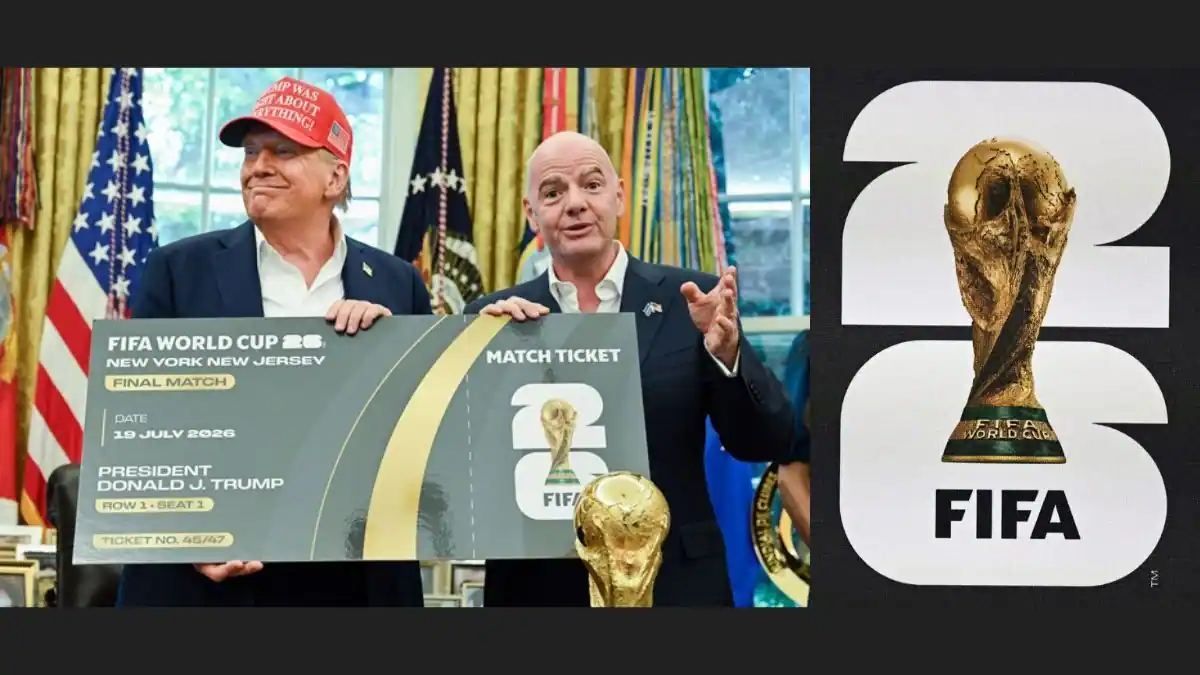
Trump Praises Infantino, Spotlight Falls on World Cup Draw in Washington
President Donald Trump publicly lauds FIFA President Gianni Infantino as the 2026 World Cup group stage draw unfolds in Washington, a staging that merges sports spectacle with diplomatic theater. The praise deepens scrutiny of Infantino's political ties even as FIFA touts strong ticket sales and organizers prepare for a tournament that promises wide economic and cultural impact across North America.

President Donald Trump on Friday praised FIFA President Gianni Infantino for overseeing what the White House called a "record-breaking" buildup to the 2026 World Cup, comments that arrived as FIFA stages the official group stage draw at the John F. Kennedy Center for the Performing Arts in Washington. Trump made the remarks at a separate diplomatic event, underscoring how the tournament has become intertwined with high level political engagement in the United States.
The 2026 World Cup, expanded to 48 teams and hosted across the United States, Canada and Mexico, represents an unprecedented commercial and cultural undertaking for global soccer. FIFA has pointed to robust ticket sales as evidence of swelling enthusiasm, and the choice of Washington for the draw signals an effort to frame the tournament as a global diplomatic moment as well as a sporting one.
The president's praise of Infantino intensifies attention on the FIFA chief's relationships with U.S. political figures. Infantino has previously attracted scrutiny over those ties, and Thursday's public acknowledgement by the president further narrows the space between international sports governance and domestic political dynamics. That proximity is likely to fuel questions about influence and access as the tournament approaches and as sponsors, broadcasters and governments position themselves to reap economic benefits.
Beyond optics, the draw in the U.S. capital carries practical implications for the sport and for host cities. The 2026 tournament promises a surge in tourism, broadcast revenues and merchandising that will test the capacity of venues and local infrastructure. For Major League Soccer and youth development programs, the World Cup presents a rare moment to convert temporary interest into long term growth for the sport in the United States. The expansion to 48 teams broadens the competitive field and offers new markets the chance to showcase their talent on the biggest stage, but it also raises questions about competitive balance and the tournament's logistical complexity.
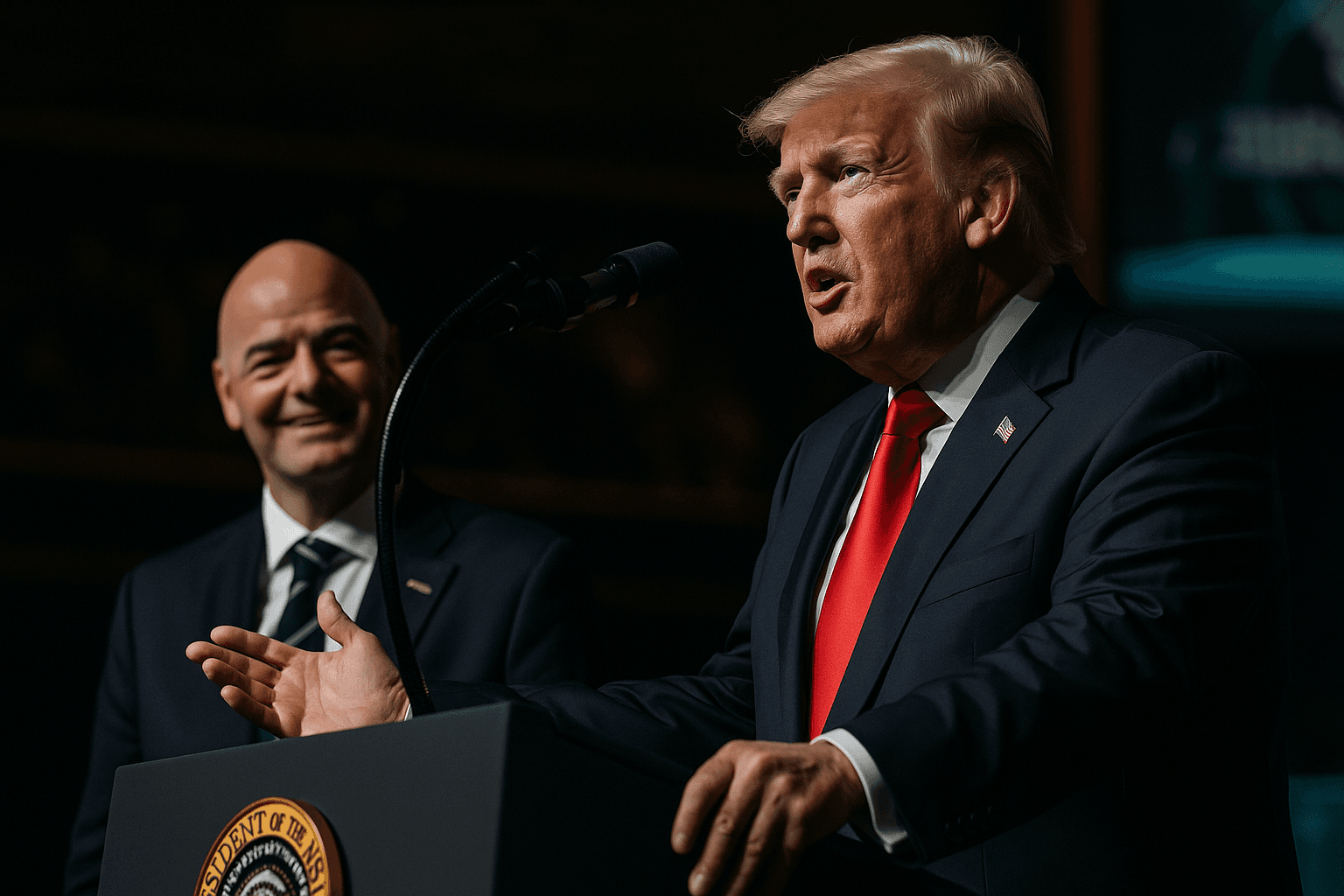
Hosting the draw at a cultural landmark like the Kennedy Center blends sports with national symbolism. That choice reinforces soccer's emergence as a mainstream American spectacle and allows the event to function as soft power. For U.S. policymakers, the draw offers an opportunity to engage with a diverse global audience while promoting tourism and investment tied to the tournament calendar.
Yet the confluence of politics and sport also carries reputational risks. Critics and governance watchdogs will be watching to see whether close relationships between FIFA leadership and national political actors affect transparency, bidding processes or the allocation of commercial rights. For fans and local organizers, the central concern will remain the quality of the on field product and the fairness of hosting arrangements.
As the draw proceeds in Washington, the interplay of business, culture and diplomacy around the 2026 World Cup will only intensify. With robust ticket sales and global attention, the tournament offers significant upside for the sport and for host economies, while also inviting renewed scrutiny of how power is exercised behind the scenes in the world of international soccer.