Trump Signs Law Reversing Drilling Limits in NPR A
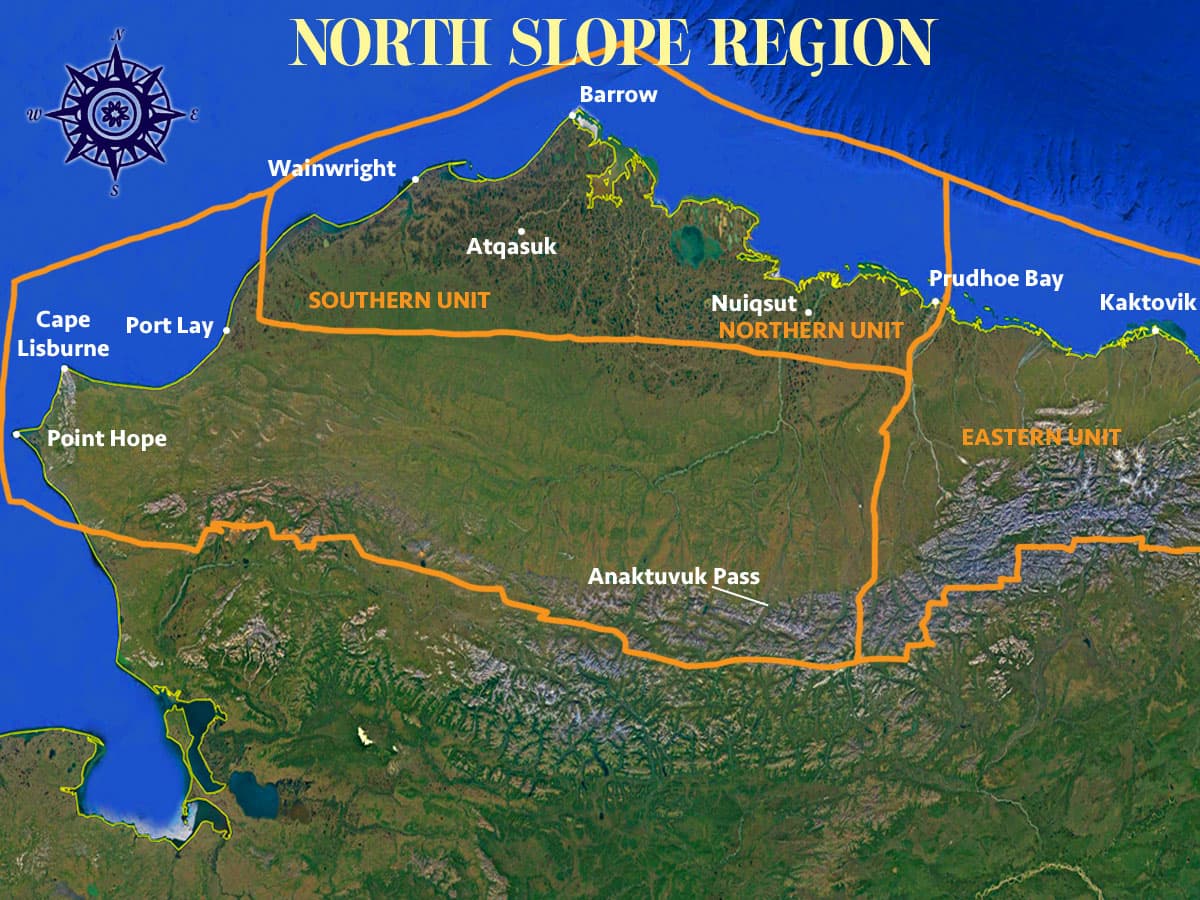
President Donald Trump signed a resolution on December 5, 2025 that revokes drilling restrictions in the National Petroleum Reserve on the North Slope, a move backed by members of Alaska's Congressional delegation. The change could open federal land to increased oil and gas activity, raising prospects for local revenue and jobs while intensifying concerns about impacts to sensitive habitat and subsistence resources.
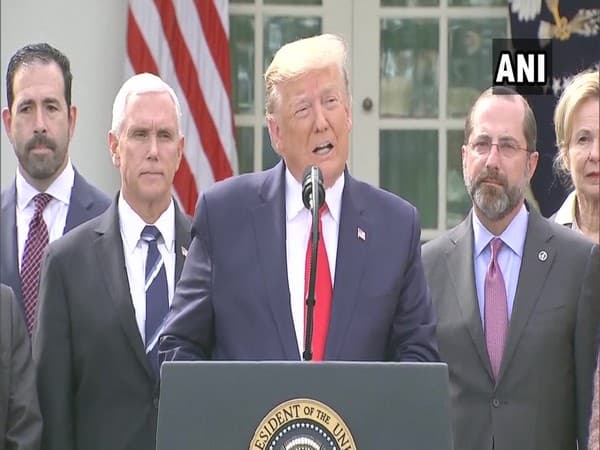
President Donald Trump signed Senate Joint Resolution 80 into law on December 5, 2025, using the Congressional Review Act to undo restrictions that were part of a 2022 activity plan for the National Petroleum Reserve on the North Slope. The reserve is a roughly 23.5 million acre federal land unit, and the 2022 plan included protections intended to shield environmentally sensitive areas from oil and gas development.
Members of Alaska's Congressional delegation supported the resolution, arguing the previous limits deterred work that could generate revenue and jobs for Alaskans. Opponents cautioned that removing those safeguards increases the risk to sensitive habitat and to resources relied on by residents for subsistence. The White House framed the action as part of broader administration steps to reduce regulatory obstacles for developers interested in the reserve.
For North Slope Borough residents, the practical effects are likely to appear in the years ahead as federal agencies and developers adjust to the new legal environment. The revocation eliminates specific constraints contained in the 2022 activity plan, which could accelerate proposals for leasing, exploration, and production. That shift has implications for municipal planning, workforce demand, and local economies that depend on both wage employment and subsistence resources.

Institutionally, the use of the Congressional Review Act signals a preference for legislative reversal of executive branch rulemaking rather than agency level revision through notice and comment processes. The change underscores the influence of congressional alignment with state priorities on federal land use policy, and it narrows the suite of administrative tools available to preserve designated areas absent new legislative action.
Local leaders and residents will need to monitor forthcoming federal decisions on permits and activity plans, and to engage with state and borough officials about mitigation, monitoring, and benefit sharing. The decision elevates the stakes for civic participation, because federal approvals and local responses will determine how potential economic gains are balanced against protections for habitat and subsistence that many North Slope communities rely on.
Sources:
Know something we missed? Have a correction or additional information?
Submit a Tip