Trump Threatens 5% Tariff on Mexico Over Water Sharing Dispute
President Donald Trump announced via social media that he has authorized steps to impose a 5 percent tariff on Mexico unless Mexico immediately delivers additional water it is alleged to owe under the 1944 U.S. Mexico water treaty. The move comes with a new $12 billion assistance package for U.S. farmers and raises urgent questions about bilateral institutions, cross border trade, and political pressure on lawmakers in states affected by shortages.
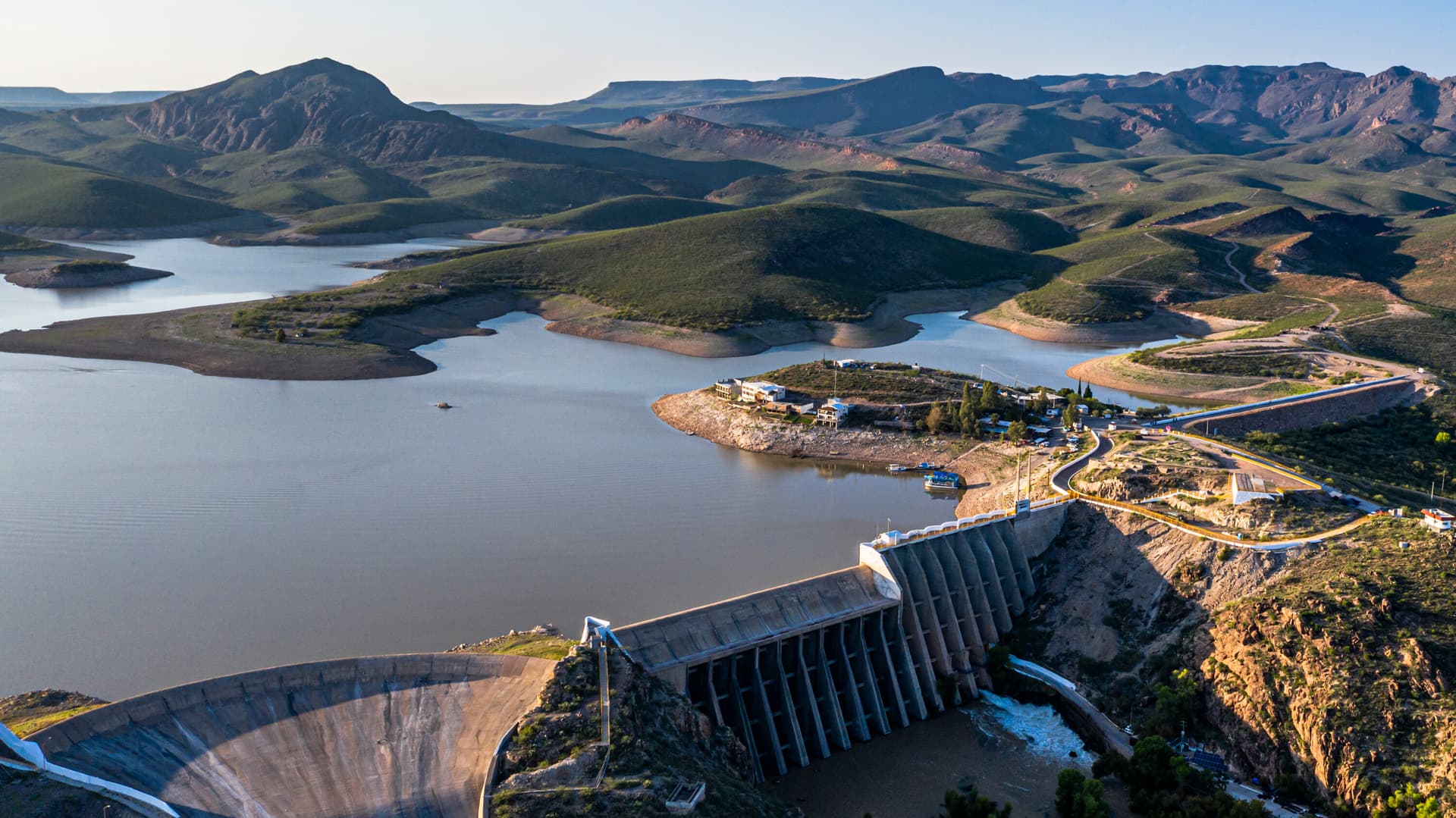
President Donald Trump declared on December 9, 2025 that he had authorized documentation to impose a 5 percent tariff on imports from Mexico if Mexico did not immediately supply additional water the administration maintains is owed under the 1944 treaty governing shared river flows. The White House set an initial demand that Mexico release 200,000 acre feet of water by December 31, with the remainder to follow, and said it would begin tariff steps if Mexico failed to comply. Mexican officials had not immediately replied.
The announcement thrust a technical binational water management dispute into the center of trade and diplomatic relations just ahead of the new year. The 1944 treaty, administered historically through the International Boundary and Water Commission, lays out complex delivery schedules for the Rio Grande and other shared systems. Legal and operational questions remain about how the treaty obligation is measured and how shortfalls are calculated, issues that have previously been resolved through bilateral technical committees rather than trade threats.
Administration officials paired the tariff warning with a $12 billion assistance package aimed at U.S. farmers affected by trade and water disruptions. The package is intended to ease financial stress on ranchers and growers in Texas and other western states who have reported crop and livestock losses tied to lower river flows. The twin announcement signals an effort to use both economic pressure and domestic relief to address what the administration describes as an urgent domestic hardship.
Policy experts said the move could set a precedent for using trade measures to address transboundary resource disputes. A tariff on Mexico would be a novel instrument in a water allocation conflict and could prompt retaliation or broader trade frictions. Businesses that rely on cross border supply chains warned that even a modest tariff could complicate logistics at a time when integrated manufacturing and agricultural markets depend on predictable flow of goods.
The political stakes are immediate for lawmakers in border states. Reduced water deliveries have direct electoral salience for rural communities and agricultural constituencies, and the administration’s approach may shift pressure to members of Congress to take sides. Lawmakers will also have to weigh potential economic fallout from any tariff and the domestic cost of the assistance package.
Institutionally the dispute places strain on the International Boundary and Water Commission and on diplomatic channels managed by the State Department. It also raises questions about which federal agencies would be responsible for implementing tariff measures and for coordinating relief for affected farmers. Legal challenges could follow if Mexico contests the U.S. determination or if affected parties challenge tariff authority in federal court.
For now the situation remains volatile. Mexico’s lack of an immediate response keeps the window open for negotiation, but the ultimatum and the prospect of tariffs create a new flashpoint in U.S. Mexico relations. How both governments move in the coming days will determine whether the dispute is resolved through technical diplomacy or escalates into broader trade and political confrontation.