Tshisekedi accuses Rwanda of violating U.S., Qatar brokered peace deal, warns of renewed violence
Democratic Republic of Congo President Felix Tshisekedi accuses neighboring Rwanda of failing to uphold commitments under a U.S. and Qatar mediated accord, citing advances by the Rwanda linked M23 rebel group and civilian attacks near the Burundi border. The allegation raises the prospect of renewed instability across a mineral rich region, drawing U.S. diplomatic pressure and heightening market and humanitarian risks for Central Africa.

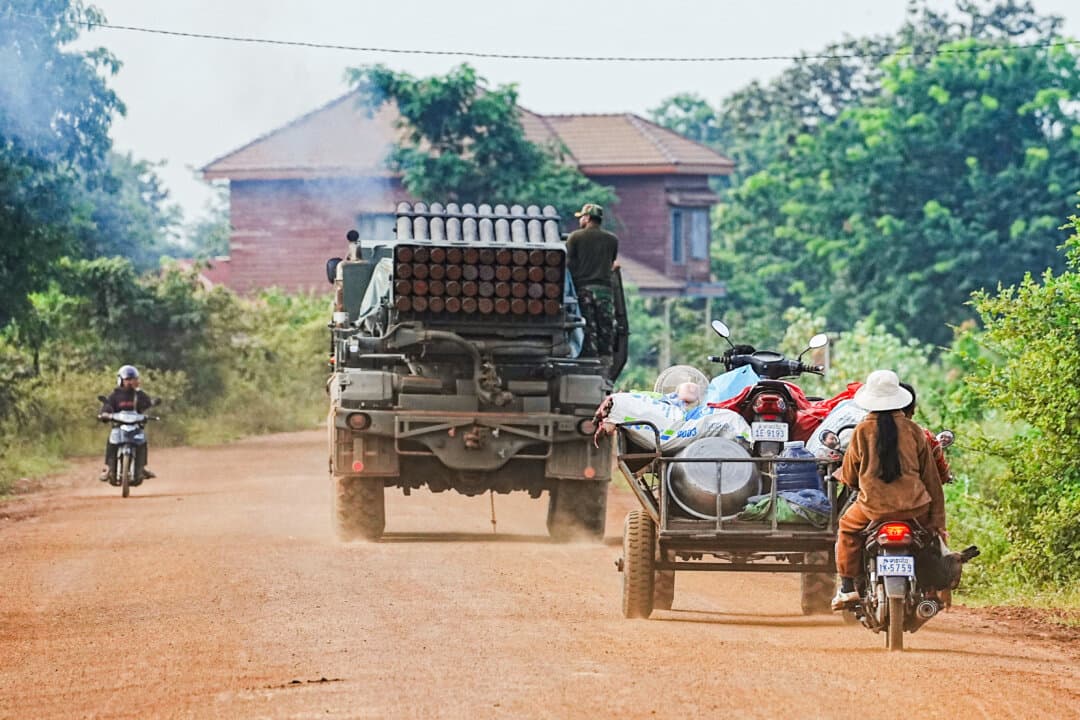
President Felix Tshisekedi on Tuesday accused Rwanda of violating commitments under a U.S. and Qatar brokered peace agreement aimed at ending years of fighting in eastern Democratic Republic of Congo. Reuters reports Tshisekedi spoke to lawmakers after attending a signing ceremony in Washington, and said forces linked to the M23 rebel group had advanced near the Burundi border, with towns attacked and civilians killed.
Tshisekedi’s public charge injects fresh tension into an already fragile peace process less than a week after leaders formalized the accord in the United States. The pact, intended to halt a cycle of rebel offensives and cross border interference, relies heavily on verification and cooperation between Kinshasa and Kigali. Rwanda has repeatedly denied backing the M23, while Congolese authorities and local reports continue to point to cross border support for the group.
The U.S. State Department urged Rwanda to prevent any escalation and said it was monitoring the situation. Washington’s involvement underscores how the conflict has become an international concern, with recent diplomacy led jointly by the United States and Qatar to secure commitments from both capitals. Implementation remains fragile, with little space between diplomatic statements and combat on the ground.
Beyond the immediate humanitarian toll, the dispute carries significant economic stakes. Eastern DRC sits atop vast mineral wealth that feeds global supply chains, including a dominant share of the world’s cobalt used in batteries, and substantial copper and tin deposits used in electronics and energy infrastructure. Renewed hostilities raise the risk of production disruptions, higher risk premia on investment, and additional costs for miners and downstream manufacturers seeking secure sourcing. Financial markets sensitive to commodity supply concerns could see price swings in related metals, while investor appetite for Congolese assets would likely suffer, raising borrowing costs for Kinshasa.
Policy options for Washington and other external actors are now constrained. Continued diplomatic pressure, enhanced monitoring, and the threat of targeted economic measures remain available tools, but enforcement depends on credible verification on the ground. Regional bodies such as the African Union and East African organizations will face pressure to mediate if violence spreads, and any breakdown could prompt wider displacements and cross border crises affecting Burundi and Rwanda.
The episode reinforces long term trends that have hampered development in eastern DRC. Cycles of rebellion, competition for resource control, and weak state authority have repeatedly undermined ceasefires and accords. Successful peace will require not only diplomatic commitments but concrete ceasefire verification, disarmament and reintegration of armed groups, and stronger mechanisms to insulate mineral supply chains from conflict related risk.
As diplomats and monitors weigh next steps, the immediate imperative is to prevent further civilian harm and stabilize contested areas. Without rapid, enforceable action, the latest allegations threaten to turn a fragile political breakthrough into another chapter of chronic instability that will reverberate across regional politics and global commodity markets.