Tyler O'Donnell returns as Hernando County body-camera coordinator
Tyler O'Donnell returns to coordinate the sheriff's body-worn camera rollout; 294 cameras and $2.9 million initial funding will affect deputies and county budgets.
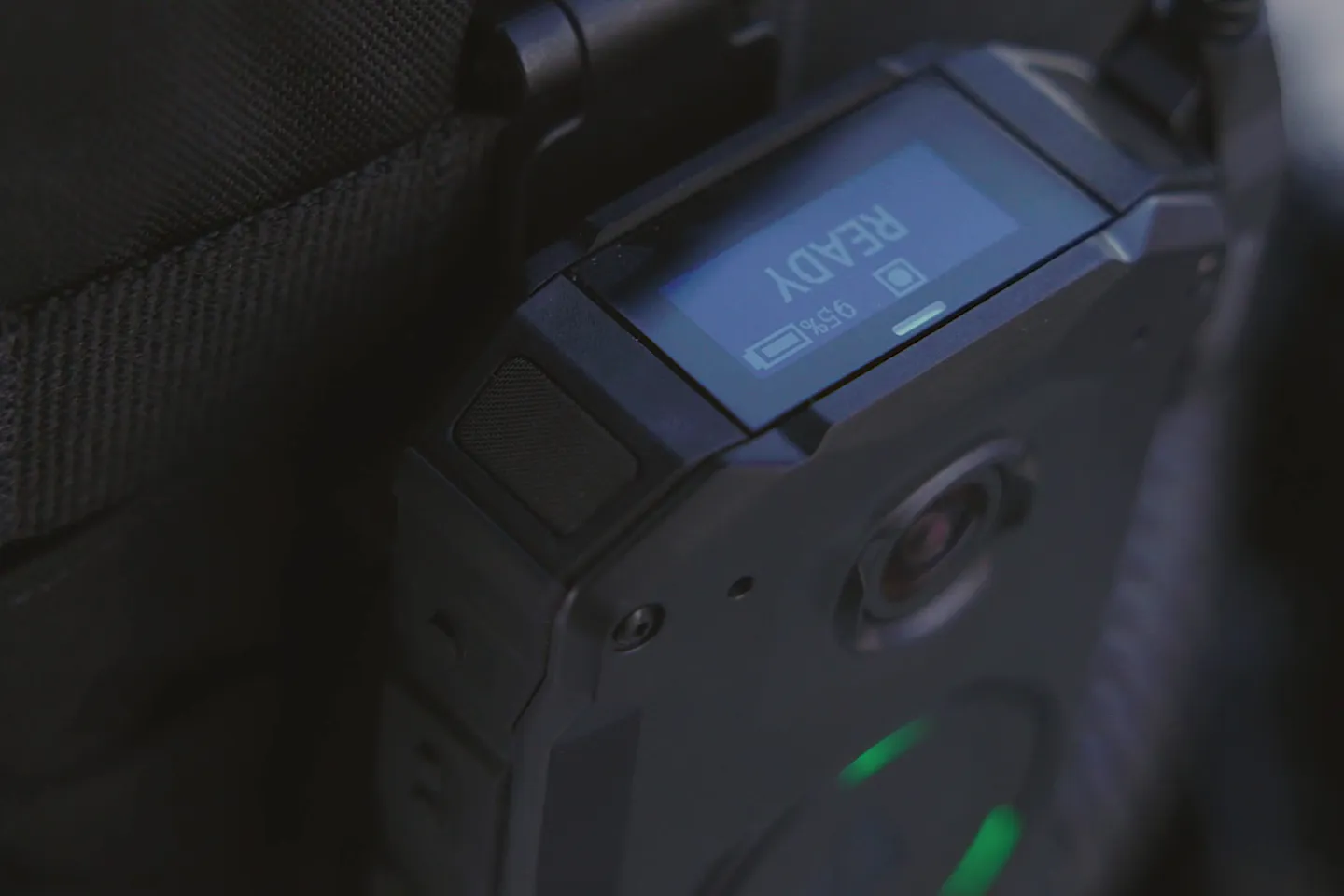
The Hernando County Sheriff’s Office announced Jan. 13 that Tyler O’Donnell has returned to lead the department’s newly launched body-worn camera program as the agency moves into full implementation. O’Donnell will begin training deputies in February as the department prepares to equip officers with cameras and put policies and data systems in place.
O’Donnell’s role will include overseeing body-worn camera operations, ensuring compliance with public records requirements, supporting training and policy adherence, and helping maintain transparency and accountability across the agency. Sheriff Al Nienhuis said "the implementation of body-worn cameras is a significant step to enhance transparency and strengthen public trust." The Board of County Commissioners approved initial funding to move the program forward.
The department plans to deploy 294 Axon body-worn cameras as part of an estimated initial investment of about $2.9 million. County officials estimate ongoing costs of approximately $929,515 annually after the first year. When personnel, data storage and administrative support are included, the program contract could total roughly $13 million over 10 years. Those figures underscore that the rollout is both a technology and budgetary undertaking for Hernando County officials and taxpayers.
O’Donnell began his law enforcement career with the Hernando County Sheriff’s Office in February 2006 as a patrol deputy and served in specialized assignments including SWAT, Honor Guard, Marine Unit and Traffic Unit. He later worked with the Tampa Police Department and brings certifications in body-worn camera public records among other qualifications. That combination of local experience and technical credentials positions him to manage the operational details that determine whether cameras fulfill their promise for transparency.
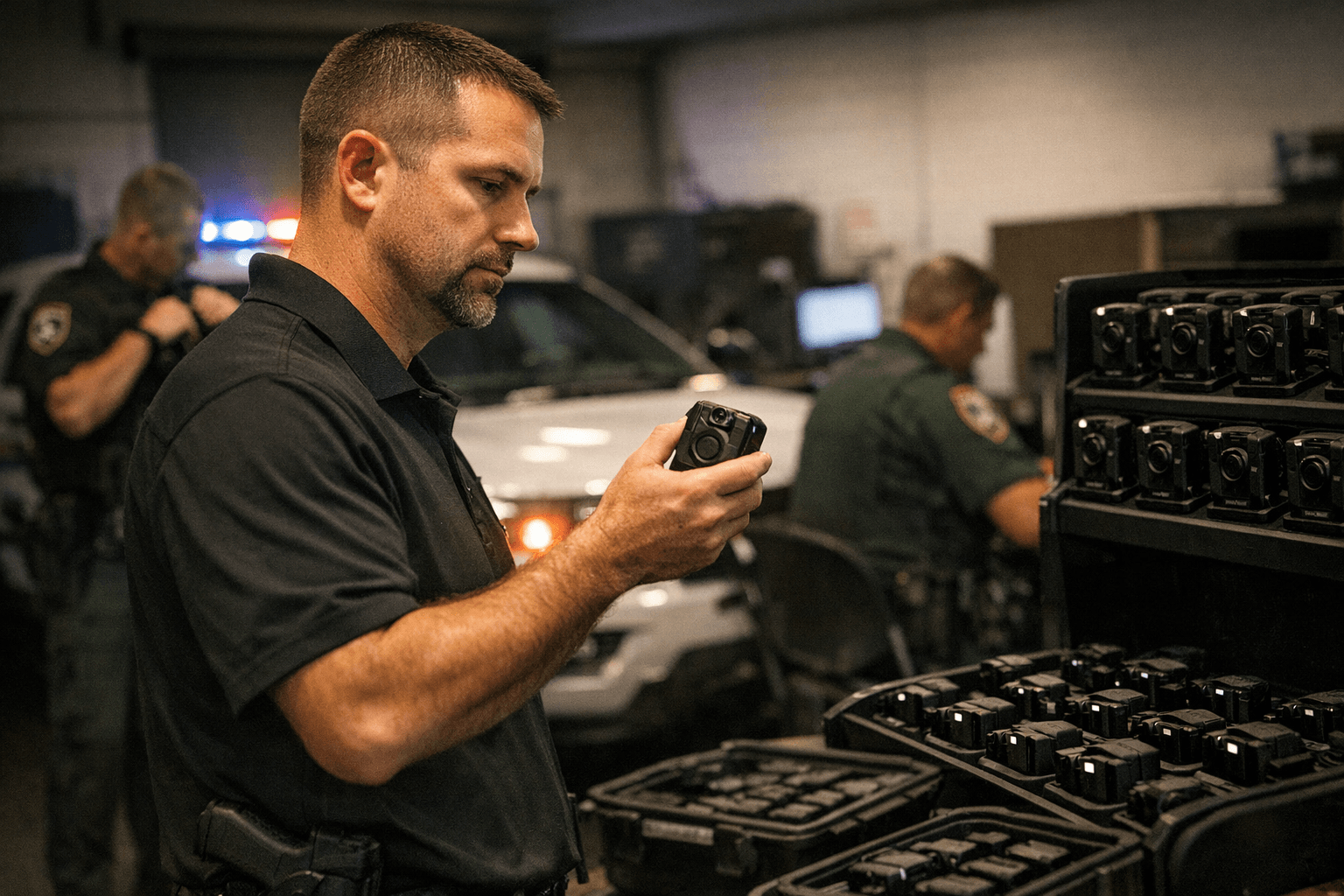
For residents, the immediate impacts are practical: deputies will be trained on when and how cameras record, the sheriff’s office will handle greater volumes of digital evidence and public records requests, and county budgets will absorb both upfront and recurring costs tied to equipment and data management. The rollout may change interactions between deputies and the public as recorded encounters become part of investigations, complaints processes and records released under Florida public records law.
The rollout follows the sheriff’s pledge to bolster accountability while balancing privacy and records obligations. The technical and policy work during training and early deployments will shape how the program serves the community.
Our two cents? Follow county commission updates, ask about retention and access policies at the next meeting, and watch for training notices—this will affect how encounters are documented and how quickly residents can request and receive footage.
Sources:
Know something we missed? Have a correction or additional information?
Submit a Tip