UK to Expand Police Facial Recognition, Create Independent Biometrics Regulator
The British government opened a 10 week consultation to broaden police use of live facial recognition and other biometric tools, and proposed a single regulator to oversee their deployment. Officials pointed to more than 1,300 arrests by the Metropolitan Police over two years as evidence of public safety benefits, while civil liberties groups warned of mass surveillance and urged stronger legal safeguards.
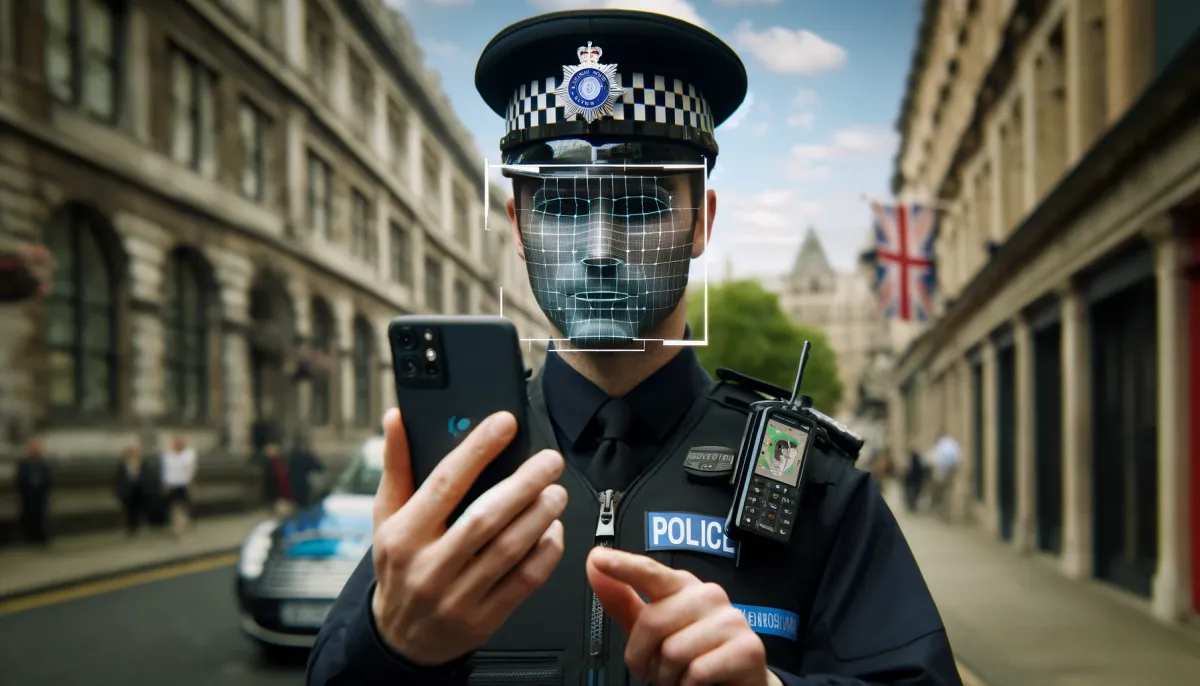
The government launched a 10 week consultation on Thursday that would allow wider use of live facial recognition and other biometric technologies by police forces across the United Kingdom, and would establish a single regulator to set and enforce rules for their deployment.
Ministers framed the move as a major step for public safety, citing figures from the Metropolitan Police that officials say resulted in more than 1,300 arrests over two years, including arrests for serious sexual and violent crimes. The consultation will seek views on how biometrics can be used, what legal safeguards should govern their use, and the powers and structure of a proposed regulator.
Opposition from civil liberties organisations was immediate and stark. Groups warned the proposals risk normalising mass surveillance and eroding individual privacy. Campaigners pointed to millions of biometric scans carried out in recent years and urged the government to insist on much tighter limits, stronger oversight, and clearer rules on retention and use of data.
The debate hinges on competing priorities. Proponents argue that live facial recognition can help locate suspects quickly, protect vulnerable people, and assist in investigating serious offences. Regulators and police officials say a single oversight body could bring consistency across forces, introduce standardised auditing, mandate transparency and ensure technology is used lawfully.
Critics contend the technology carries significant risks. Accuracy varies with lighting, angle and camera quality and can be lower for women and members of ethnic minority communities, raising the prospect of disproportionate impact on marginalised groups. False positives can lead to wrongful stops and detentions, while persistent or indiscriminate scanning of public spaces can chill lawful behaviour and create a pervasive sense of surveillance.
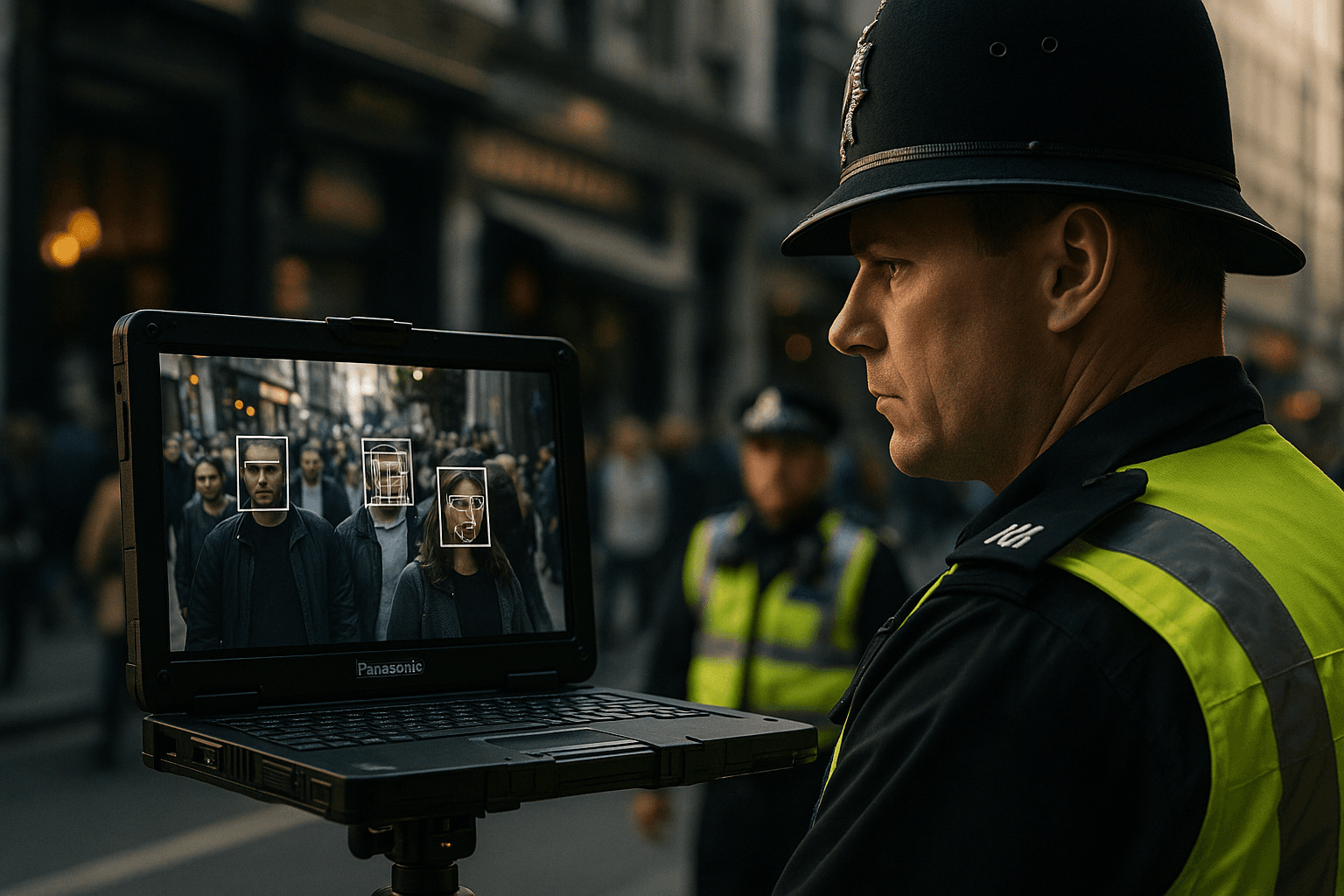
The consultation will ask whether existing laws are sufficient to prevent misuse, how independent oversight should operate, and what limits should govern biometric databases and the retention of facial data. It will also consider technical standards for systems, requirements for audits and public reporting, and avenues for redress for people incorrectly identified by the technology.
A single regulator, if created, could centralise decisions on approvals, establish mandatory transparency obligations, and require independent testing and impact assessments. Yet the effectiveness of such an agency will depend on its powers, funding, and statutory independence. Civil society organisations said the consultation must include clear commitments on transparency, judicial authorisation for high risk uses, robust data minimisation, and regular public reporting.
The consultation runs for 10 weeks, during which police forces, technology providers, legal experts and campaigners are expected to submit responses. The outcome will shape whether the United Kingdom moves toward more pervasive biometric policing or adopts stricter curbs designed to balance public safety and civil liberties.