UMB Plans Major Medical School Expansion, Satellite Campus in Baltimore
On December 1, 2025 the University of Maryland Baltimore announced plans to increase medical school enrollment by roughly 33 percent and to establish a satellite campus in the city. The move could reshape clinical training capacity, housing demand, and local healthcare workforce development, and it raises questions about timelines, funding, and community engagement.
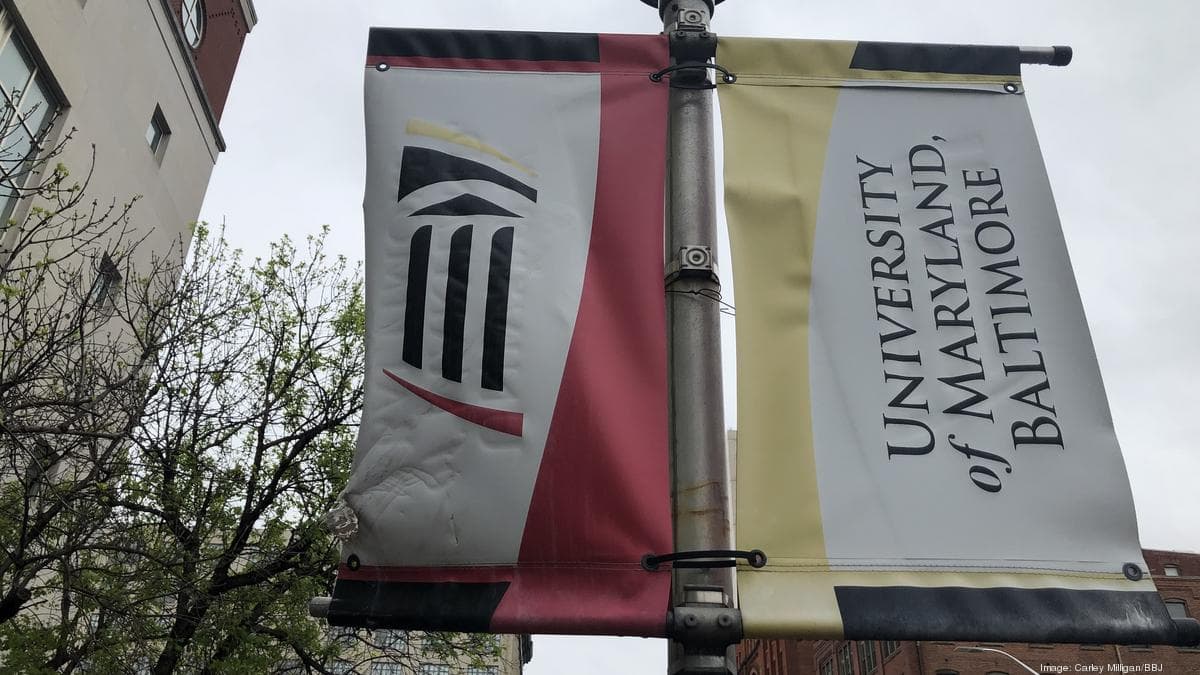
The University of Maryland Baltimore announced on December 1, 2025 that it intends to grow its medical school cohort by approximately 33 percent and to develop a satellite campus within Baltimore. The announcement represents a significant expansion of the citys medical education capacity and signals an institutional commitment to producing more clinicians locally.
An increase of this size will affect multiple city systems. More students will require expanded clinical training sites, additional faculty, and increased residency placement opportunities. Local hospitals and clinics will likely see an uptick in demand for teaching partnerships, and the city may face pressure to address student housing, public transit capacity, and neighborhood impacts near any new campus location.
Economic effects could be substantial. Expanded enrollment can boost local spending on housing, retail, and services, and the satellite campus could generate construction jobs and long term employment for faculty and staff. The potential also exists to strengthen Baltimores pipeline for health professionals who may remain in the city after training, with implications for primary care access and underserved neighborhoods.
Key operational details remain to be clarified. The announcement did not specify a timeline for the expansion, the proposed location or locations for the satellite campus, the scale of new facilities, or the sources of funding for construction and ongoing operations. It also did not lay out plans for how the university will secure the clinical affiliations and residency positions necessary to accommodate a larger cohort. Those elements will determine how quickly the expansion can proceed and how disruptive or beneficial it will be to city institutions and neighborhoods.
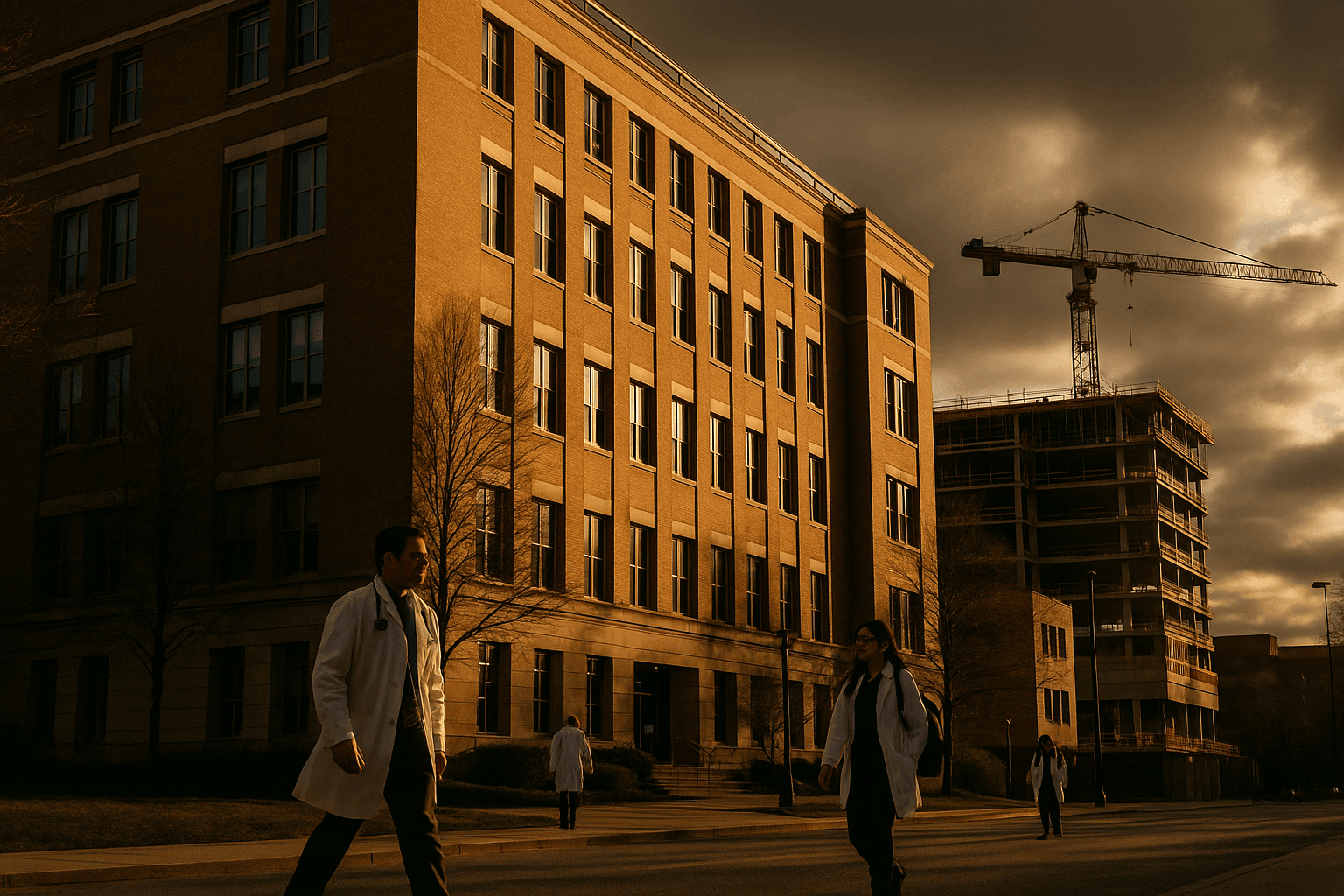
For residents and city leaders the next priorities are clear. City planning officials, health system administrators, and community groups will need to engage with the university on site selection, transportation and housing impacts, and opportunities to prioritize Baltimore residents in admissions and pipeline programs. Transparent timelines and public reporting on funding and accreditation steps will be essential to assess the expansions long term benefits for Baltimore.
As the university moves from announcement to implementation, Baltimore will need coordinated planning to ensure that expanded medical education capacity strengthens local healthcare delivery while protecting neighborhood stability and public resources.
